

Choosing the Right Spark Plug for Your 1955-1960 Dodge Lancer
Keep your classic Dodge engine running smoothly with the correct, reliable spark plugs.
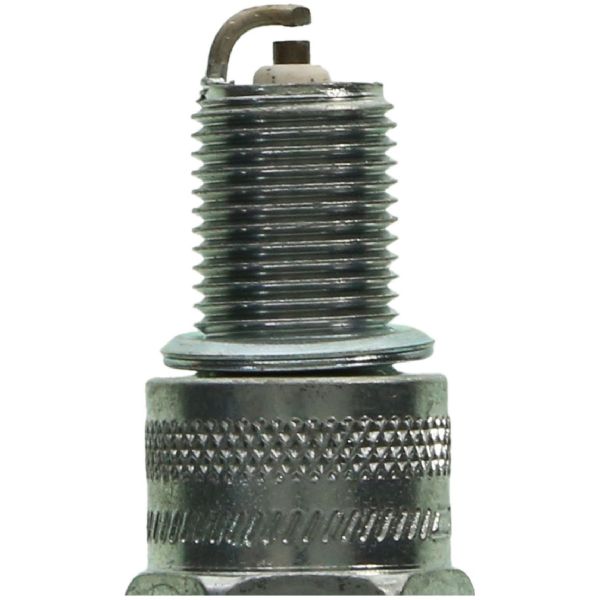
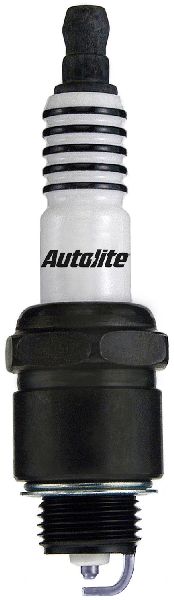
- Use standard copper-core spark plugs from Autolite or Champion; avoid modern platinum or iridium plugs.
- Always check and set the spark plug gap to 0.035 inches before installation using a gapping tool.
- Replacing spark plugs is an easy, low-cost DIY job that can significantly improve engine performance.
- For this vehicle range, "Lancer" referred to a trim on Coronet/Royal models (1955-59) or a separate compact car (1961-62).
A Note on the Dodge Lancer Name
The "Dodge Lancer" name can be confusing for this era. From 1955 to 1959, "Lancer" was a trim designation for the hardtop models of the full-sized Dodge Coronet and Royal. There was no standalone "Lancer" model in 1960. The compact Dodge Lancer, with its well-known Slant-6 engine, was sold in 1961 and 1962. This guide covers spark plugs for the engines found in these vehicles.
Symptoms of Failing Spark Plugs
Worn-out spark plugs can cause several noticeable problems. If your Lancer is experiencing any of these issues, the spark plugs are a good first place to check.
- Rough Idling: The engine may shake or sound uneven when the car is stopped.
- Engine Misfires: You might feel a hesitation or stumble from the engine, especially during acceleration.
- Difficulty Starting: A weak spark makes it harder for the engine to fire up.
- Poor Fuel Economy: An inefficient spark means not all fuel is burned, wasting gas.
- Reduced Power: Your car may feel sluggish and not accelerate as quickly as it should.
Choosing the Right Aftermarket Spark Plugs
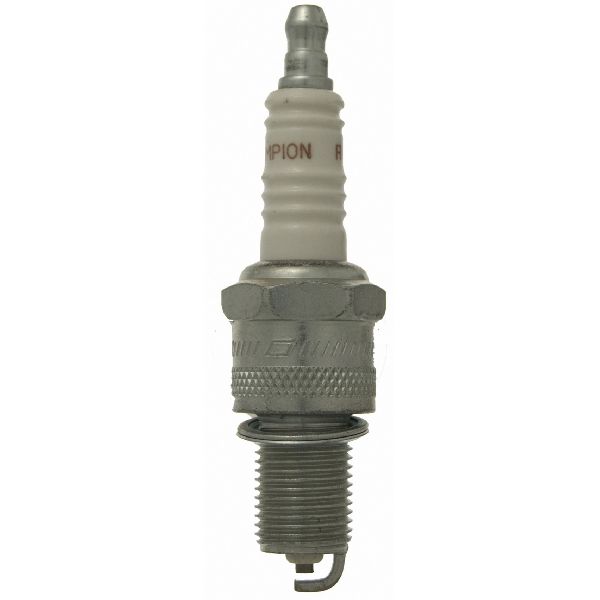
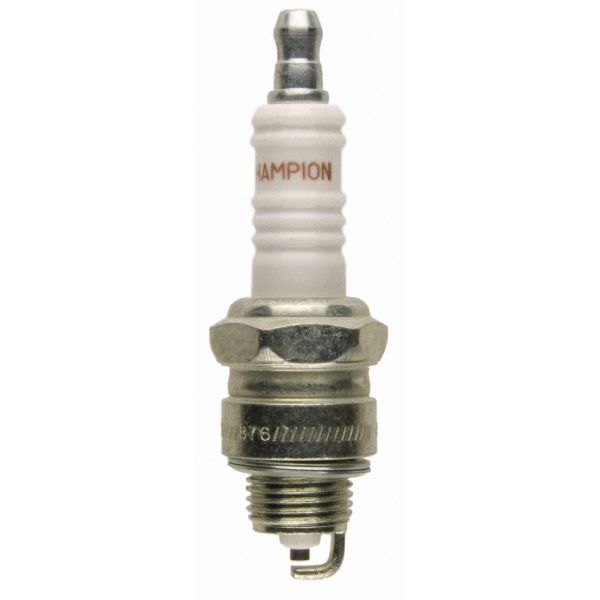
For a classic vehicle like the 1955-1960 Dodge Lancer, sticking to the basics is best. Modern spark plugs with exotic materials like platinum or iridium are not necessary and may not perform well in these older engine designs. Standard copper-core spark plugs are the correct choice. Both Autolite and Champion are well-established brands that have been used in these cars for decades. Owner preference often varies, with some mechanics and owners having better experiences with one brand over the other in specific engines. However, both are considered reliable, standard-quality options for your classic Dodge.
Aftermarket Brand Tiers
| Tier | Brands | Our Assessment |
|---|---|---|
| Standard Replacement | Autolite, Champion | Both brands are excellent, period-correct choices for your Lancer. They provide reliable performance at a good value. You can't go wrong with either for a stock engine. |
Set the Gap!
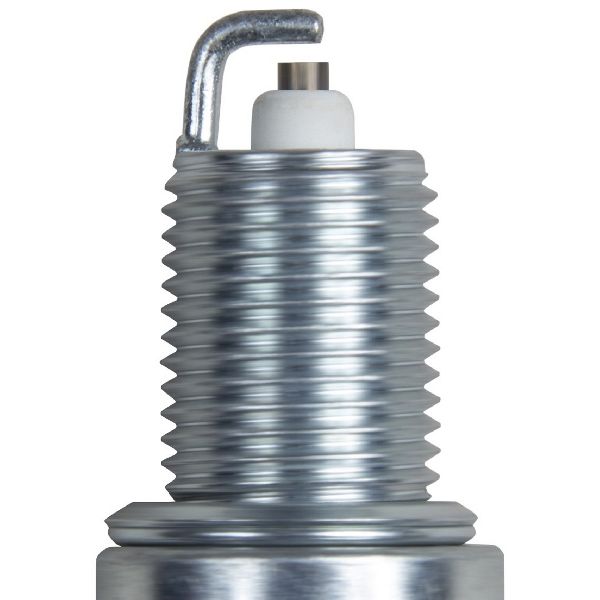
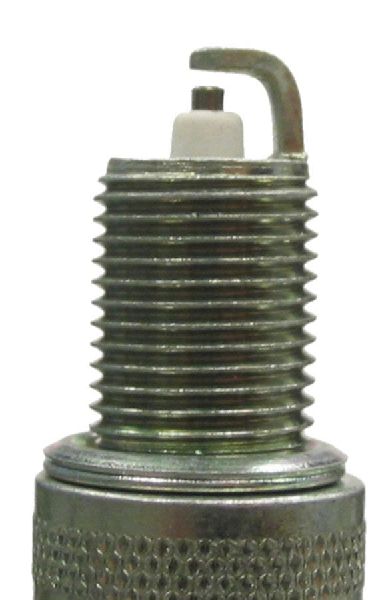
One of the most critical steps when replacing spark plugs is to check and set the spark plug gap. This is the small space between the center and ground electrodes. Even new plugs may not be gapped correctly for your specific engine right out of the box. A simple gapping tool is required for this essential step. For most V8 and 6-cylinder engines of this era with original points-style ignition, a gap of 0.035 inches is the standard.
Known Issues, Recalls, or TSBs
For vehicles of this age, official manufacturer recalls and Technical Service Bulletins (TSBs) for a common part like a spark plug are virtually nonexistent. The NHTSA's online recall database does not contain relevant, active recalls for this specific part and vehicle range. Any issues experienced by owners today are typically related to normal wear, incorrect installation, or using the wrong type of plug.
Frequently Asked Questions (FAQ)
How often should I change the spark plugs on my classic Lancer?
Service intervals were much shorter for these vehicles than for modern cars. For a daily driver, inspecting and likely replacing the spark plugs every 10,000 to 15,000 miles is a good practice to maintain peak performance.
What is the correct spark plug gap for my Lancer?
For most stock Dodge engines from this period (both Slant-6 and V8s) using a standard points ignition system, the recommended spark plug gap is 0.035 inches. If you have an upgraded electronic ignition, you may be able to use a slightly wider gap, but 0.035" is a safe and effective starting point.
Are more expensive spark plugs better for my car?
No. For these vintage engines, expensive platinum or iridium plugs are not recommended. They are designed for modern high-energy ignition systems and may not perform correctly or could even foul more easily in your Lancer's engine. A standard, affordable copper plug from a reputable brand like Autolite or Champion is the best choice.
Can I replace the spark plugs myself?
Yes, this is a very common and straightforward DIY job for a 1955-1960 Dodge. The spark plugs are typically easy to access on these engines. You will need a socket wrench, a spark plug socket, and a spark plug gapping tool.
Technical Specifications
Thread Size: 14mm; Seat Type: Gasket; Recommended Gap: 0.035 inches (0.89mm)
We Have This Part in Stock

The information in this article is provided for general reference and educational purposes only. Vehicle specifications, procedures, and part compatibility can vary by production date, trim level, and region. Always consult your vehicle's factory service manual and verify part numbers before purchasing or performing repairs. Safety-critical components such as airbags, seat belts, and braking systems should be installed by a qualified professional.