

Choosing the Right Spark Plugs for Your 1955-1963 AC Aceca
The correct spark plug depends entirely on which engine is under your bonnet.
- You must identify your engine (AC, Bristol, or Ford) before purchasing spark plugs, as they are not interchangeable.
- Cross-reference original plug brands like Lodge and Champion to modern equivalents from NGK, Autolite, or ACDelco.
- For the AC engine, consider a slightly wider plug gap (around 0.025") to run better on modern fuels.
- For the Bristol engine, many owners prefer NGK plugs and it is critical to use the correct plug reach.
The Most Important Step: Identify Your Engine
Before buying spark plugs, you must know which engine your Aceca has. During its production, AC used three different inline-six engines. Each requires a different spark plug.
- AC 2.0L Engine (1954-1961): The original engine for the Aceca, a single overhead cam design.
- Bristol 2.0L Engine (1956-1963): A popular, higher-performance option with a complex pushrod system.
- Ford 2.6L Engine (1961-1963): A tuned Ford Zephyr engine, often called the "Ruddspeed" version.
Check your vehicle's documentation or look for markings on the engine block to confirm which version you have. Choosing plugs for the wrong engine can lead to poor performance or even engine damage.
Symptoms of Failing Spark Plugs
Old spark plugs can cause problems that you will feel while driving. Because these cars do not have modern computer systems, paying attention to the engine's behavior is key.
- Rough Idle: The engine may shake or vibrate more than usual when stopped.
- Hard Starting: The engine takes longer to crank before it starts, or it may not start at all.
- Engine Misfires: You might feel a hesitation or stumble from the engine during acceleration.
- Poor Fuel Economy: If you notice you are filling up with gasoline more often, worn plugs could be the cause.
- Reduced Power: The car may feel sluggish and not as responsive as it should.
Choosing the Right Aftermarket Spark Plug
For a classic car like the Aceca, "OEM" parts often meant brands like Lodge or Champion. Today, you can buy from modern brands that make direct replacements. The most important factor is getting the correct cross-referenced part for your specific engine.
Spark Plugs for the AC 2.0L Engine
The original plug was often a Lodge C14. When buying a modern equivalent, look for these cross-references:
- Champion: L86C
- NGK: B5ES
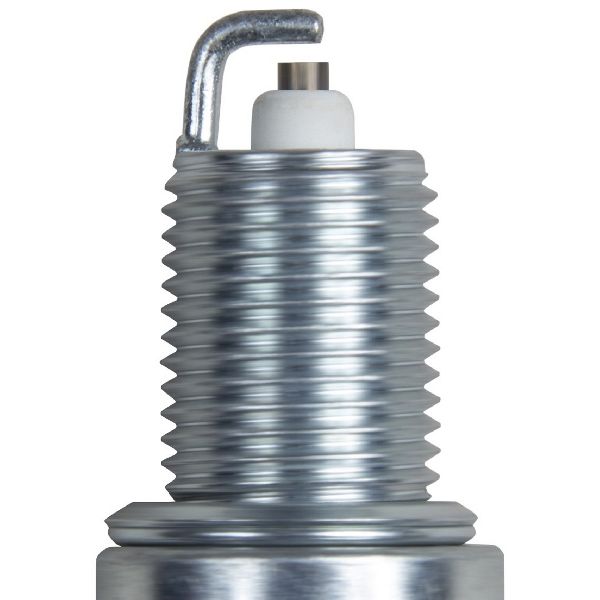
Pro Tip: Some owners find that opening the spark plug gap slightly, to around 0.025 inches, helps the engine run better on modern gasoline. The original spec was a tighter 0.015-0.018 inches.
Spark Plugs for the Bristol 2.0L Engine
This engine is sensitive to spark plug choice. Owners in forums report good results with NGK plugs. Be aware of the difference between short and long reach plugs, as using the wrong one can damage the engine. Original plugs included Lodge and Champion types.
- NGK: C6HSA or C7HSA are commonly used by owners.
- Champion: While historically used, some owners have reported issues with the quality of certain modern Champion plugs in these engines. If choosing Champion, ensure it is a direct cross-reference for a reliable plug like an NGK B6ES or similar.
Spark Plugs for the Ford 2.6L Engine
This engine is based on the Ford Zephyr. Champion was a common brand for Ford engines of this period. Aftermarket options are widely available.
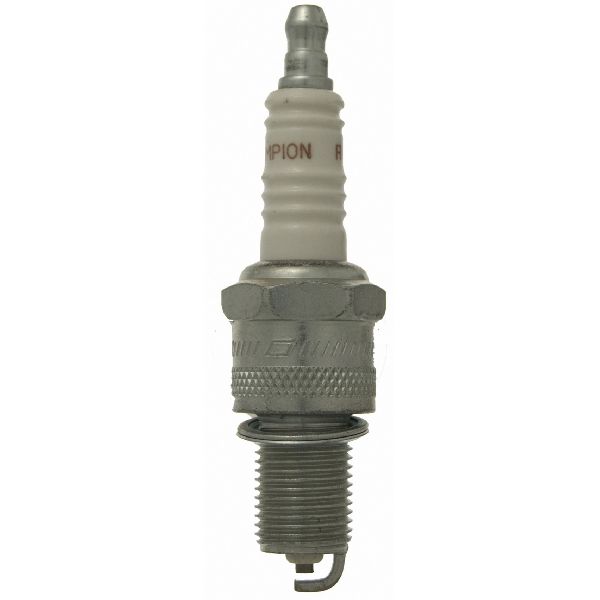
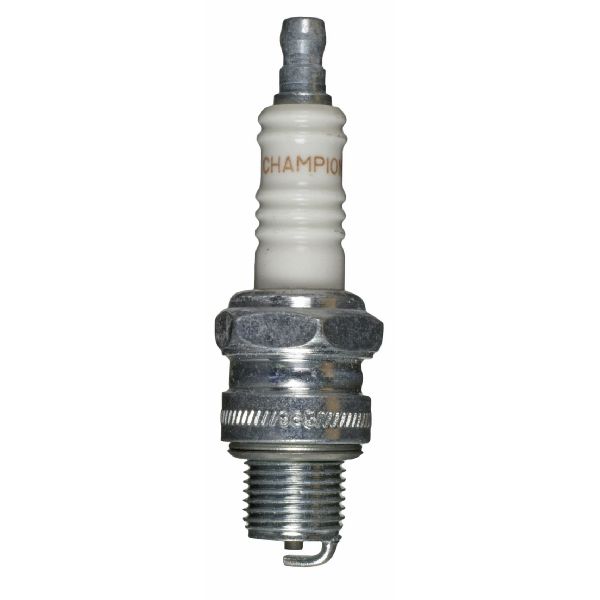
- Champion: A standard copper plug like the N5 or its modern equivalent is a good starting point.
- Autolite: The Autolite 404 is a compatible cross-reference for the Champion N5.
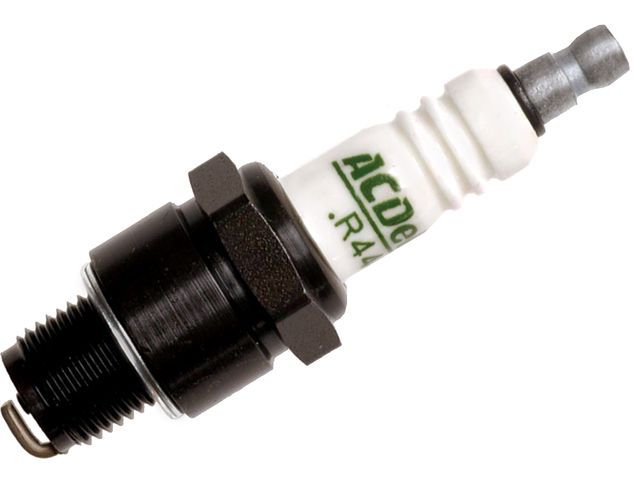
- ACDelco: The ACDelco 43N is also a listed equivalent for the Champion N5.
| Brand Tier | Example Brands | Price Range |
|---|---|---|
| Standard Copper | ACDelco, Autolite, Champion | $3.50 - $7.00 |
| Premium/Specialty | NGK | $4.00 - $14.90 |
Frequently Asked Questions
How do I know which engine my Aceca has?
The easiest way is to check the chassis number. An 'AE' prefix typically denotes an AC engine, 'BEX' a Bristol engine, and 'RS' a Ford (Ruddspeed) engine. You can also look for visual cues on the engine itself, such as the valve cover design, which is distinct between the three types.
What is a spark plug "heat range"?
A heat range tells you how well a spark plug gets rid of heat. A "hotter" plug stays hotter to burn off carbon deposits from city driving, while a "colder" plug runs cooler to prevent overheating during high-speed or racing conditions. For stock cars used on the street, a standard heat range plug recommended by the manufacturer is best.
What should the spark plug gap be?
The gap is the space between the two electrodes at the tip of the plug. For the AC engine, original manuals suggest 0.015-0.018 inches, but many owners use a wider gap of 0.025 inches for modern fuel. For Bristol and Ford engines, it's best to start with the plug manufacturer's recommended gap, often around 0.025-0.030 inches, and adjust if needed.
How often should I change the spark plugs?
With the simple copper plugs used in these cars, a good rule of thumb is to check them every year and replace them every two years or around 10,000-15,000 miles. Given their low cost, frequent changes are cheap insurance for keeping your engine running smoothly.
Technical Specifications
OEM Part Numbers: Lodge C14 Lodge CLN Lodge CLNH Champion N5 Champion N5C
Engine-specific. The AC Aceca uses six 14mm spark plugs. The required heat range and reach (thread length) vary significantly between the AC, Bristol, and Ford engines. Always use a cross-reference guide to find the modern equivalent of the original specification plug for your engine.
We Have This Part in Stock


The information in this article is provided for general reference and educational purposes only. Vehicle specifications, procedures, and part compatibility can vary by production date, trim level, and region. Always consult your vehicle's factory service manual and verify part numbers before purchasing or performing repairs. Safety-critical components such as airbags, seat belts, and braking systems should be installed by a qualified professional.