

Choosing the Right Ignition Coil for Your 1955-1963 Dodge Lancer
Keep your classic Lancer running smoothly by ensuring it has a strong, reliable spark.
- A failing ignition coil on a Lancer causes common issues like hard starting, stalling, misfiring, and backfiring.
- For a stock vehicle, a standard replacement coil from a brand like Standard Ignition or NGK provides excellent reliability and value.
- Performance coils from MSD or Accel are an option, but may be best paired with a full electronic ignition upgrade.
- Always inspect and consider replacing the ballast resistor when installing a new coil to prevent premature failure.
Understanding Your Lancer's Ignition System
The Dodge Lancer had two distinct production runs: the full-size 1955-1959 models and the compact 1961-1962 models. Both use a conventional ignition system with a single, canister-style ignition coil, a distributor, points, and a condenser. This system is simple and reliable, but the coil is a wear item that can degrade over time due to heat and vibration. A failing coil can cause a range of frustrating problems, from making the car hard to start to leaving you stranded.
Symptoms of a Failing Ignition Coil
When an ignition coil starts to go bad, it usually gives you some warning signs. Because it's responsible for creating the spark, the symptoms are all related to poor engine combustion. You might notice one or more of the following issues:
- No-Start or Hard Starting: The engine cranks over but refuses to fire up, or takes a long time to start. This happens because the coil isn't producing enough voltage for a spark.
- Engine Misfires and Stalling: The engine may run rough, shake, sputter, or stall unexpectedly. This often gets worse as the engine warms up, because heat increases the coil's internal resistance and weakens its performance.
- Backfiring: A loud pop or bang from the exhaust can occur when unburnt fuel ignites in the exhaust system. This is a sign of an inconsistent spark from a failing coil.
- Loss of Power and Poor Fuel Economy: A weak spark leads to incomplete fuel combustion. This means you're not getting all the power out of your fuel, which hurts both acceleration and gas mileage.
No Recalls or TSBs
Due to the age of the 1955-1963 Dodge Lancer, there are no official recalls or Technical Service Bulletins (TSBs) from the manufacturer or NHTSA for the ignition coil. Knowledge for these vehicles primarily comes from owner communities and classic car specialists.
Choosing the Right Aftermarket Ignition Coil
Since original Mopar coils for this era are no longer produced, you will be choosing from aftermarket brands. The good news is that many reputable companies make high-quality replacement coils. They generally fall into three categories:
Brand Tiers
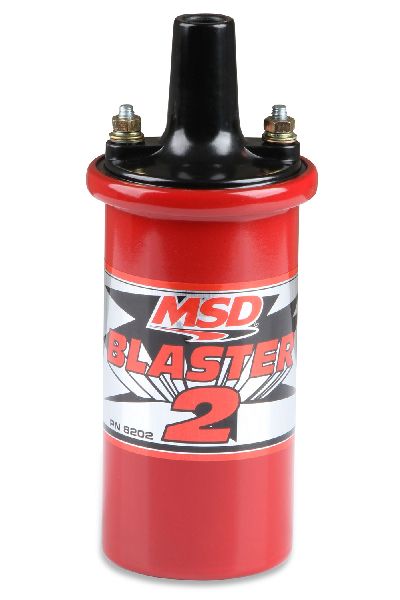
Performance Brands (MSD, Accel): Brands like MSD and Accel are popular in the classic Mopar community for performance applications. An MSD Blaster 2 coil is a common upgrade. However, these coils are often designed to work with other upgraded ignition components, like an electronic ignition conversion, and may not be necessary for a stock engine. Some users have reported mixed reliability with newer Accel products compared to older, US-made ones.
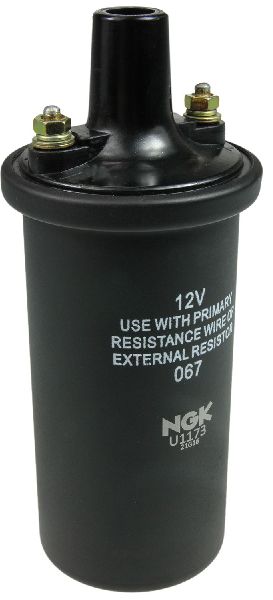
Standard Replacement Brands (Standard Ignition, NGK, Spectra): For most owners who want reliable, stock-level performance, these brands are excellent choices. Standard Motor Products (SMP) and NGK are well-respected for making parts that meet or exceed original specifications. They offer a great balance of quality, reliability, and price for a daily driver or weekend cruiser.
Economy Brands (DriveWire, Global Parts): These brands typically offer the lowest prices. While they can get your car back on the road, their long-term durability and performance may not match that of the standard or performance tiers. They can be a good option for a tight budget, but for a classic car, investing in a well-known ignition brand is often worth the small extra cost.
Don't Forget the Ballast Resistor
Your Lancer's original ignition system uses a ballast resistor. This small ceramic block reduces the voltage going to the coil while the engine is running to prevent it from overheating. It's bypassed during starting to give the coil a full 12 volts for a stronger spark. When replacing your coil, it's a good idea to inspect and test the ballast resistor, or simply replace it. They are inexpensive and a faulty one can destroy a new coil quickly.
Cost of a New Ignition Coil
| Part Type | Price Range |
|---|---|
| New Aftermarket | $27.98 - $85.56 |
| New OEM | Not Available |
| Used OEM | $15 - $40 (Not Recommended) |
| Shop Labor | $50 - $100 |
Frequently Asked Questions
Is replacing the ignition coil a DIY job?
Yes, absolutely. On a 1955-1963 Lancer, the ignition coil is typically mounted on the fender well or engine block and is very easy to access. It involves disconnecting the battery, removing a few wires, and unbolting a single bracket. It's a great beginner-level job that requires only basic hand tools and can be done in under 30 minutes.
Do I need a special coil for my Lancer?
You need a 12-volt, canister-style, oil-filled coil designed for use with an external ballast resistor. This is the standard type for most American cars from this era. Performance coils may have different resistance values, so if you choose one, make sure it's compatible with your stock points ignition or any aftermarket system you have.
What's the difference between an oil-filled and epoxy-filled coil?
Traditional coils, like the ones originally on your Lancer, are filled with oil to help cool the internal windings. Many modern performance coils are filled with epoxy, which offers better vibration resistance. For a stock or lightly modified Lancer, a quality oil-filled coil from a reputable brand is perfectly adequate and maintains the original appearance.
Should I upgrade to an electronic ignition at the same time?
While not necessary, replacing the coil is a good time to consider an electronic ignition conversion kit (like those from Pertronix). These kits replace the mechanical points inside your distributor, offering more reliable spark, reduced maintenance, and smoother engine operation. Many owners find this to be a worthwhile reliability upgrade for a classic car that is driven regularly.
Technical Specifications
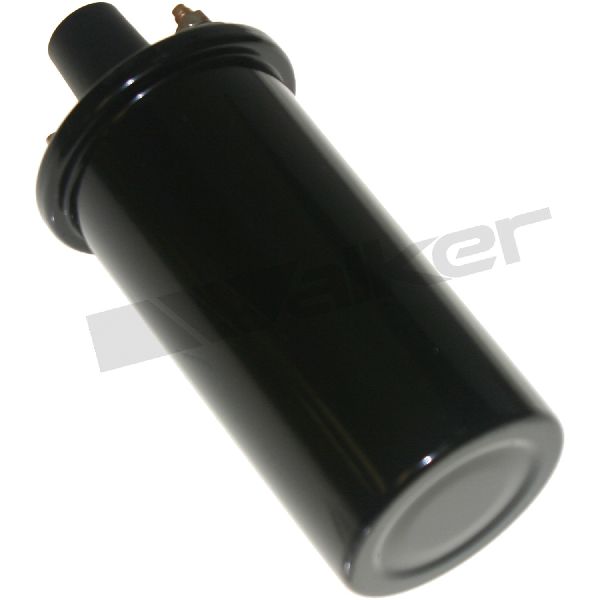
Canister-style, oil-filled, 12-volt ignition coil designed for use with an external ballast resistor.
We Have This Part in Stock


The information in this article is provided for general reference and educational purposes only. Vehicle specifications, procedures, and part compatibility can vary by production date, trim level, and region. Always consult your vehicle's factory service manual and verify part numbers before purchasing or performing repairs. Safety-critical components such as airbags, seat belts, and braking systems should be installed by a qualified professional.