

Ford Thunderbird Alternator Upgrade & Replacement Guide (1955-1964)
Stop dealing with dim headlights and a weak battery—a modern alternator is the single best electrical upgrade for your classic Thunderbird.
- 1955-1962 models have generators and require a conversion, while 1963-1964 models have alternators and are a direct replacement.
- Upgrading to an alternator provides more power at idle, increased reliability, and is essential for modern accessories.
- Powermaster PowerGEN units offer modern performance while looking like an original generator, perfect for owners wanting a stock appearance.
- A 'one-wire' alternator simplifies installation wiring, making it a popular choice for conversions.
Is It a Generator or an Alternator?

Before buying parts, it's critical to know what your Thunderbird has. Ford made a key change during this era.
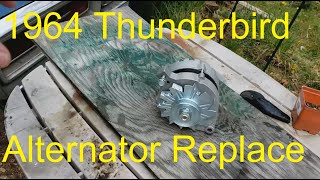
- 1955-1962 Thunderbirds: These models came equipped with a DC generator and an external voltage regulator. If you have one of these model years and the original charging system, you will be performing an upgrade or conversion, not a direct replacement. 🎬 Watch this step-by-step alternator conversion on a 1962 Thunderbird.
- 1963-1964 Thunderbirds: These models were the first to feature a modern alternator from the factory, though they still used an external voltage regulator. Replacement for these years is more straightforward.
Why Upgrade From a Generator?
If you own a 1955-1962 model, converting to an alternator is one of the most significant reliability improvements you can make. Generators struggle to keep the battery charged at idle, leading to dim lights, weak ignition spark, and problems if you've added accessories like a modern stereo or electric fan. An alternator provides strong, stable voltage even at a standstill, keeping your battery healthy and your lights bright.
Choosing the Right Aftermarket Alternator

When shopping for a new alternator, you have several choices to make, especially if you are converting from a generator.
1. Conversion Style: Stock Look vs. Modern Look
For owners of 1955-1962 models, the biggest decision is whether to preserve the original under-hood appearance.
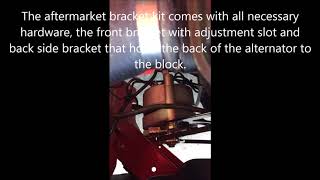
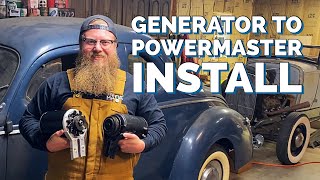
- Stock Appearance (PowerGEN): Brands like Powermaster offer their PowerGEN line, which is an alternator built inside a case that looks exactly like the original Ford generator. This gives you modern performance while keeping a period-correct look. They are designed to mount using original brackets, simplifying installation. 🎬 See how to install a Powermaster unit for a stock look. This is the premium, most expensive option.
- Modern Appearance (Universal Fit): A standard, modern-looking alternator from brands like Proform or other universal-fit suppliers can also be used. This is a more budget-friendly approach but will require universal mounting brackets and will not look original.
2. Wiring: One-Wire vs. Three-Wire
This refers to how the alternator is connected to your car's electrical system.
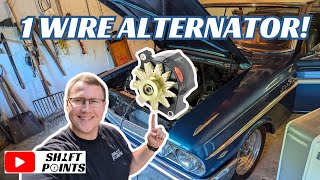
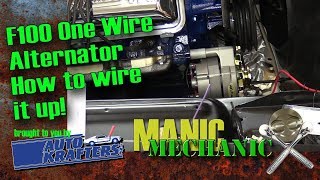
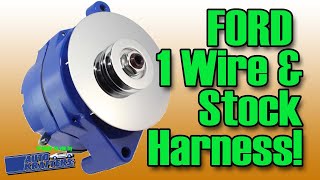
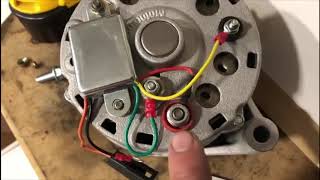
- One-Wire Alternators: These are the simplest to install, often requiring just a single heavy-gauge wire running from the alternator to the battery. They have an internal, self-exciting regulator. This simplicity is their main advantage, but they sometimes need the engine to be revved slightly after starting to begin charging. Many conversion kits, including the Powermaster PowerGEN, use a one-wire setup. 🎬 Learn how to wire a one-wire alternator using original Ford wiring.
- Three-Wire Alternators: This setup is closer to what modern cars use. It includes the main charging wire plus two smaller wires for ignition and voltage sensing. A three-wire system offers better voltage regulation because it can sense voltage further down the line, but it requires more complex wiring and is typically used for direct replacement on 1963-1964 models or by restorers comfortable with custom wiring.
Pro Tip: When converting from a generator, you must bypass the original external voltage regulator. The new, internally regulated alternator makes it obsolete. Many owners leave the old regulator in place (unplugged) to maintain the stock look.
3. Brand Quality & Tiers
Not all brands are created equal. Here’s an honest breakdown of the brands available for your Thunderbird:
- Powermaster: Considered a top-tier choice for this specific vehicle, especially for their PowerGEN conversion units. They offer high-quality, new components designed for classic Fords, providing modern reliability with a stock appearance. They are the most expensive option but are highly recommended in owner forums.
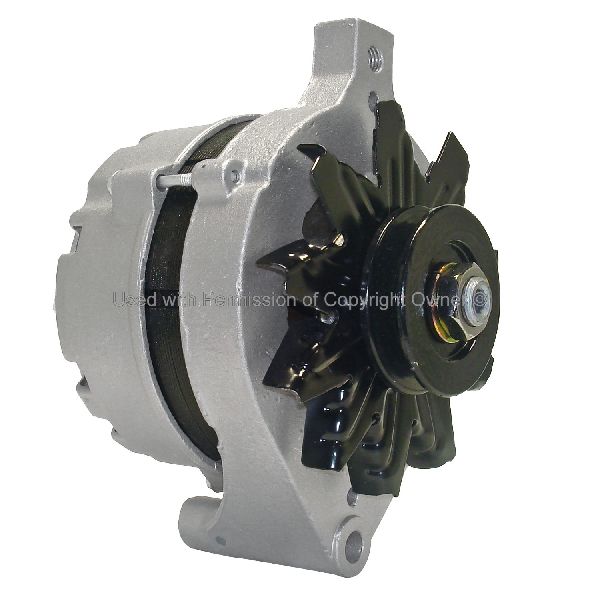
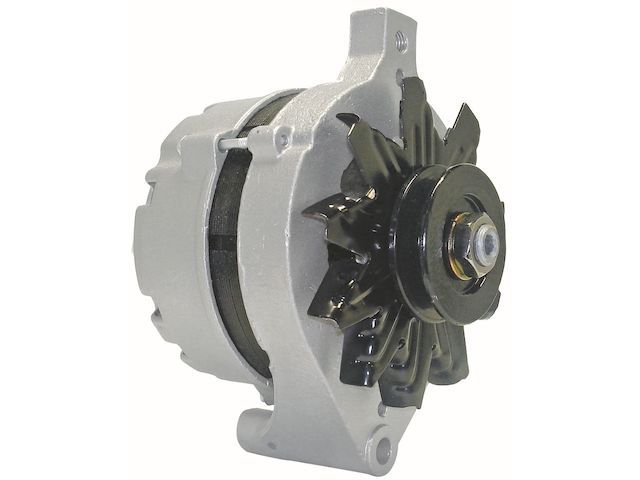
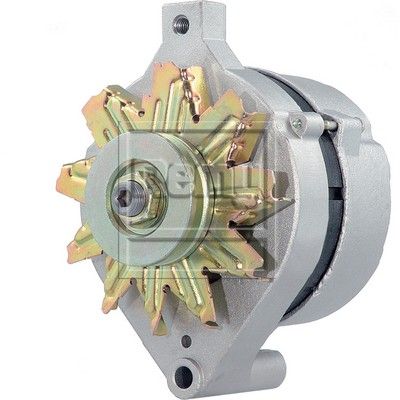
- ACDelco / Remy: These are well-known aftermarket brands offering standard replacement alternators, primarily for the 1963-1964 models. Quality is generally considered good for daily drivers. Some forum users have reported occasional issues with bearings on remanufactured units from various brands, so a new unit is often preferred if the budget allows.
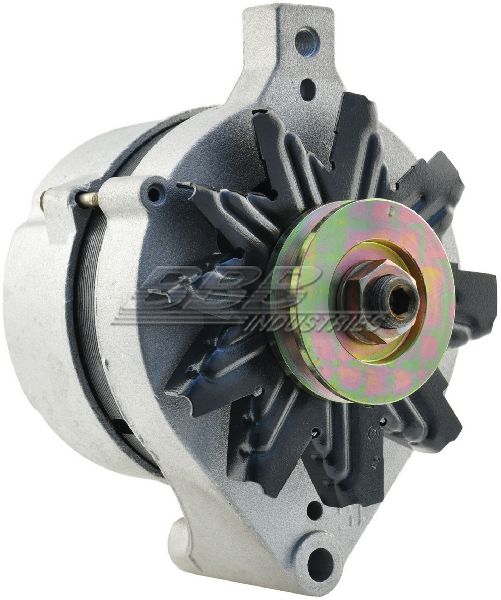
- BBB Industries / MPA: These companies are major remanufacturers that supply many auto parts stores. Quality can be inconsistent, as with any remanufactured part. It's a budget-friendly option, but it's wise to have the part tested at the store before you take it home.
- Proform: Known for performance-oriented parts, Proform offers lightweight, high-output mini alternators. These are not direct-fit and are intended for custom or high-performance builds where space, weight, and high amperage output are priorities.
Cost of a New Aftermarket Alternator

Prices vary significantly based on whether you are doing a direct replacement or a full conversion.
| Part Type | Estimated Cost | Notes |
|---|---|---|
| Remanufactured Alternator (for '63-'64) | $75 - $150 | Standard replacement from brands like Remy or BBB. |
| New Alternator (for '63-'64) | $100 - $200 | New unit from a brand like ACDelco. |
| Universal Alternator Conversion Kit | $150 - $300 | Includes a modern-style alternator and mounting hardware. |
| Powermaster PowerGEN Conversion | $400 - $600 | Alternator that looks like an original generator for a stock appearance. |
Frequently Asked Questions (FAQ)

Do I need a new voltage regulator?
No. Almost all modern aftermarket alternators have a voltage regulator built into them (internally regulated). When you install one, you will bypass and disconnect your Thunderbird's original external voltage regulator.
What amperage do I need?
For a mostly stock car, an alternator with 60-100 amps is more than enough. The original generators produced around 30 amps. If you have added high-draw accessories like a powerful sound system, electric cooling fans, or modern headlights, choose an alternator in the 100+ amp range.
Will I need to change my pulleys or belt?
Possibly. When converting from a generator, the pulley on the new alternator may be a different size. This might require you to get a different length V-belt to ensure proper tension. Always check for proper belt alignment before starting the engine. Some conversion kits come with the correct pulley pre-installed.
Is the installation difficult?
For a 1963-1964 model, it's a straightforward bolt-off, bolt-on job. For a 1955-1962 generator-to-alternator conversion, it is more involved. You will need to do some basic wiring to bypass the old regulator and may need to fabricate or adapt mounting brackets if you are not using a direct-fit conversion kit like the Powermaster.
Helpful Videos

Technical Specifications
OEM Part Numbers: C4TZ-10316D
Vehicle Year Ranges: - 1955-1962: Factory equipped with a DC Generator. Requires a conversion to an alternator. - 1963-1964: Factory equipped with an externally regulated alternator. Common Aftermarket Amperage Ratings: - Stock Replacement/Basic Conversion: 55-90 Amps - High Output/Performance: 100-150 Amps
We Have This Part in Stock

The information in this article is provided for general reference and educational purposes only. Vehicle specifications, procedures, and part compatibility can vary by production date, trim level, and region. Always consult your vehicle's factory service manual and verify part numbers before purchasing or performing repairs. Safety-critical components such as airbags, seat belts, and braking systems should be installed by a qualified professional.
- 🎬 Helpful Videos
- 🛍️ Shop This Part
- Is It a Generator or an Alternator?
- Why Upgrade From a Generator?
- Choosing the Right Aftermarket Alternator
- 1. Conversion Style: Stock Look vs. Modern Look
- 2. Wiring: One-Wire vs. Three-Wire
- 3. Brand Quality & Tiers
- Cost of a New Aftermarket Alternator
- Frequently Asked Questions (FAQ)
- 🎟️ Get 5% Off