

Oldsmobile 98 Charging System Guide: Alternator Upgrades for 1955-1964 Models
Is your classic 98 running a generator or an alternator? This guide explains the difference and helps you choose the right modern upgrade.
- First, confirm if your 1955-1962 Olds has a generator or if your 1963-1964 model has an alternator, as this determines the part you need.
- Converting from a generator to an alternator is a highly recommended upgrade for improved reliability and better power at idle.
- Choose an alternator with an amperage rating that matches your car's electrical demands—higher if you have A/C, electric fans, or a modern stereo.
- When installing a high-output alternator, you must also upgrade the main charging wire to a heavier gauge to prevent safety issues.
Generator vs. Alternator: What's in Your 98?
Before buying any parts, the first step is to identify what's under the hood of your Oldsmobile 98. Models from 1955 to mid-1962 were originally equipped with a long, cylindrical DC generator and a separate, boxy external voltage regulator. Models from 1963-1964 came standard with a more compact, modern alternator that has an internal or external regulator. Generators are less efficient, heavier, and produce very little charge at low engine speeds, which can lead to dim headlights at stoplights and a weak battery in city driving. Alternators are more reliable and provide a stronger, more consistent charge even when the engine is idling.
Pro Tip: Generator-to-Alternator Conversion
For owners of 1955-1962 models, converting to an alternator is one of the best reliability upgrades you can make. It provides a more stable power supply for modern accessories like electronic ignition, better lighting, or an aftermarket stereo. Many aftermarket companies offer kits that simplify this process.
Symptoms of a Failing Charging System
Whether you have a generator or an alternator, the warning signs of failure are similar. Ignoring them can leave you stranded with a dead battery.
- Dimming or Flickering Lights: Headlights and dash lights may flicker, or dim at idle and brighten as you accelerate.
- Weak or Dead Battery: The battery may not hold a charge, requiring frequent jump-starts. This is a classic sign the charging system isn't replenishing the battery.
- 'GEN' or 'ALT' Warning Light: The warning light on your dashboard is a direct indicator of a charging problem.
- Whining or Grinding Noises: Worn-out bearings inside the alternator or generator can produce a distinct whining or grinding sound from the engine bay.
- Slow Electrical Accessories: Power windows, wipers, or the radio may operate slower than normal due to insufficient voltage.
Choosing the Right Aftermarket Alternator
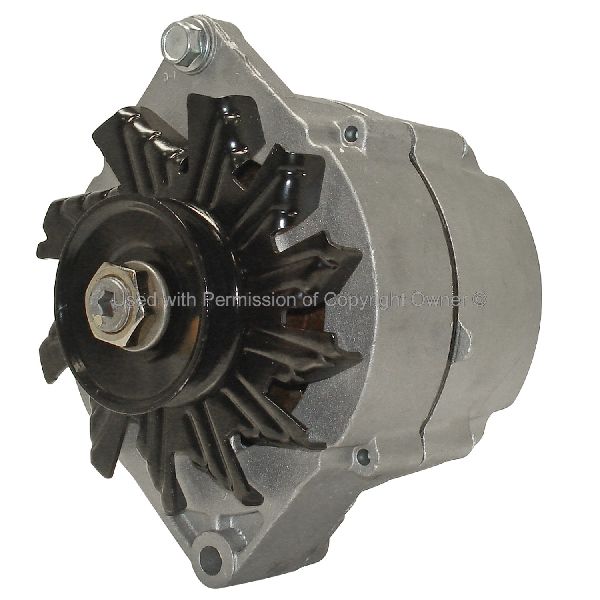
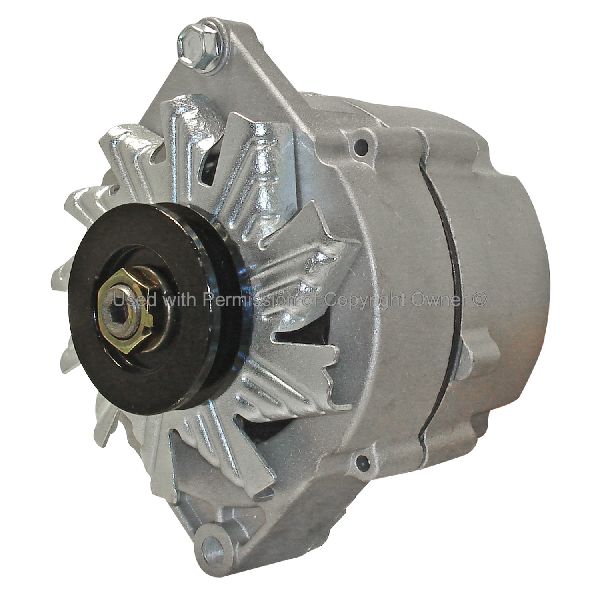
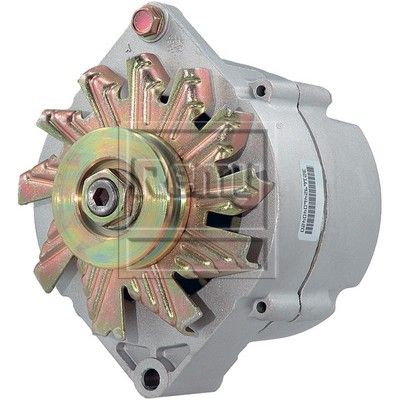
When shopping for a new alternator, you'll find options ranging from direct-fit replacements for 1963-64 models to conversion kits for earlier cars. The brands available offer different levels of quality and performance.
Brand Tiers & Recommendations
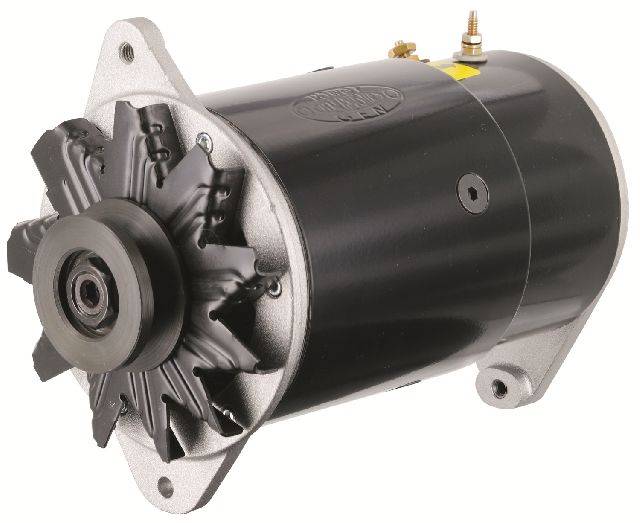
- High-Performance / Conversion Focused (Powermaster, Proform): Brands like Powermaster are highly regarded in the classic car community. They offer high-output alternators for cars with modern electronics (A/C, electric fans, etc.) and their "PowerGEN" series, which looks like an original generator but functions as a modern alternator. This is an excellent choice for owners who want modern reliability with a stock appearance. Proform offers new one-wire alternators that are often affordable, but customer reviews can be mixed.
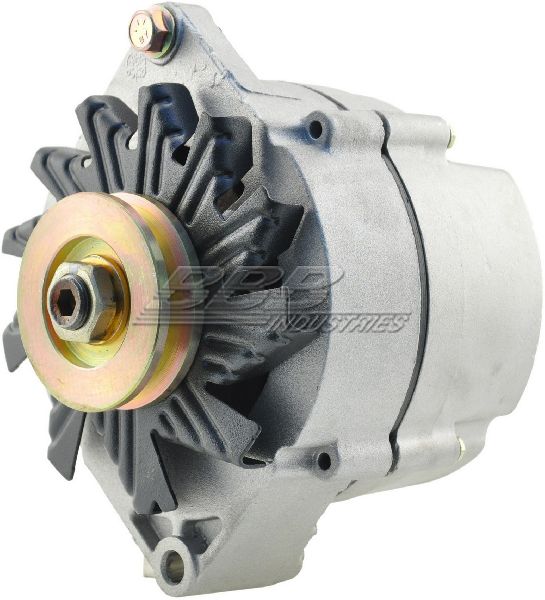
- Standard Replacement (Remy, WAI Global, BBB Industries, MPA): These brands offer reliable, direct-fit replacements that are a good choice for stock vehicles. Remy is a historic brand with ties to GM and is generally considered a solid, standard-quality option. WAI Global and BBB Industries are major aftermarket suppliers; some WAI units even come with a performance test graph. However, some users have reported issues with output not matching the advertised specs on certain models.
Amperage and Wiring
Original generators produced low amperage (around 30-40 amps). When upgrading, choose an amperage rating that matches your car's needs. A stock car is fine with 60-75 amps. If you have A/C, a powerful stereo, or electric fans, you'll need 100 amps or more. Important: Installing a high-output alternator requires upgrading the main charge wire from the alternator to the battery to a thicker gauge (like 8 or 10-gauge wire) to handle the extra current and prevent a fire hazard.
New Aftermarket Alternator Cost for 1955-1964 Oldsmobile 98
| Part Type | Estimated Cost | Notes |
|---|---|---|
| New Aftermarket Alternator | $40 - $584 | Price varies significantly based on brand, output, and style. Lower end is typically a standard remanufactured unit, while the higher end includes high-output or generator-look conversion models. |
| Shop Labor for Installation | $100 - $250 | Installation is relatively simple, but costs for a generator-to-alternator conversion may be slightly higher due to minor wiring modifications. |
Frequently Asked Questions (FAQ)
Do I have to convert my generator to an alternator?
No, you can still find replacement generators or have yours rebuilt. However, converting to an alternator is highly recommended for improved reliability, better charging at idle, and the ability to support modern electrical accessories.
What is a 'one-wire' alternator?
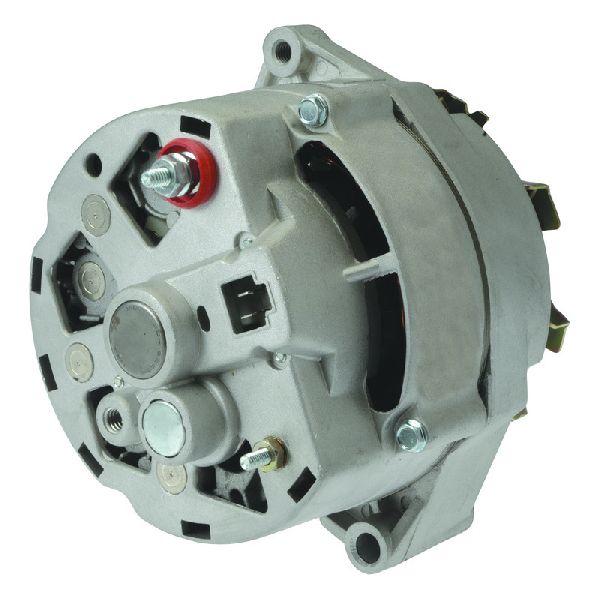
A one-wire alternator simplifies installation by using an internal, self-exciting regulator that only requires a single wire connected from the alternator's output post to the battery. This is a popular choice for generator conversions, though some may require a quick rev of the engine after starting to begin charging.
Will a new alternator fit on my original generator brackets?
Sometimes, but not always. Some modification may be needed. However, brands like Powermaster offer "PowerGEN" units specifically designed to fit original generator brackets for a direct swap. For standard alternator conversions, universal or model-specific bracket kits are available.
Can I replace the alternator myself?
Yes, this is a very feasible DIY job for someone with basic mechanical skills. The process involves disconnecting the battery, removing the belt, unbolting the old unit, installing the new one, and re-wiring. For conversions, you will also need to bypass the old external voltage regulator.
Technical Specifications
Voltage: 12V; Amperage: 60A to 200A+ available; Regulator: Internal (most aftermarket) or External; Pulley: Single or dual V-groove.
We Have This Part in Stock

The information in this article is provided for general reference and educational purposes only. Vehicle specifications, procedures, and part compatibility can vary by production date, trim level, and region. Always consult your vehicle's factory service manual and verify part numbers before purchasing or performing repairs. Safety-critical components such as airbags, seat belts, and braking systems should be installed by a qualified professional.
- 🛍️ Shop This Part
- Generator vs. Alternator: What's in Your 98?
- Pro Tip: Generator-to-Alternator Conversion
- Symptoms of a Failing Charging System
- Choosing the Right Aftermarket Alternator
- Brand Tiers & Recommendations
- Amperage and Wiring
- New Aftermarket Alternator Cost for 1955-1964 Oldsmobile 98
- Frequently Asked Questions (FAQ)
- 🎟️ Get 5% Off