

Engine Coolant Thermostat Guide for 1955-1965 Chrysler Imperial
Keep your classic Imperial's V8 running at the right temperature by understanding, diagnosing, and replacing your thermostat.
- A 180°F thermostat is the standard, recommended choice for 1955-1965 Imperials.
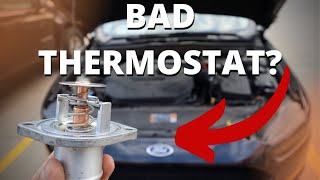
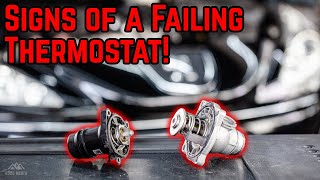
- Symptoms of failure include overheating, running too cold, or a fluctuating temperature gauge.
- Replacing the thermostat is an easy and inexpensive DIY job that can prevent major engine damage.
- Always test your new thermostat in a pot of hot water before installation to ensure it opens correctly.
Is Your Imperial's Thermostat Failing?
A bad thermostat can cause serious engine problems. The good news is that the signs are usually clear. For a classic car like a 1955-1965 Imperial, you won't get a "Check Engine" light, so you need to watch your temperature gauge and listen to your car.
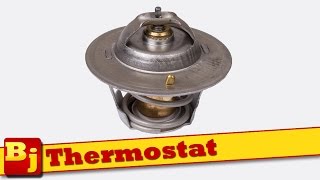
🎬 Watch: 7 common symptoms of a failing thermostatCommon Symptoms:
- Engine Overheating: If the thermostat is stuck closed, coolant can't get to the radiator. Your temperature gauge will climb into the hot zone quickly. You might see steam from under the hood. This is a serious problem that can cause major engine damage.
- Engine Slow to Warm Up: If the thermostat is stuck open, coolant flows to the radiator all the time. The engine will take a very long time to reach its normal operating temperature. This can lead to poor fuel economy and increased engine wear.
- Temperature Fluctuates Wildly: A gauge that swings from cool to hot and back again can mean the thermostat is opening and closing at the wrong times.
- Heater Problems: If your car's heater isn't blowing hot air, it could be because the engine isn't getting hot enough due to a thermostat stuck open.
Choosing the Right Aftermarket Thermostat
For a vintage vehicle like the 1955-1965 Imperial, finding original OEM parts can be nearly impossible. Aftermarket parts are your go-to solution. The quality of a simple part like a thermostat is generally very good across reputable brands. Many brands may even source their thermostats from the same manufacturer, like Motorad. The key is choosing the correct temperature rating and a brand with a good reputation.
Aftermarket Brand Tiers
| Brand | Known For | Notes for Imperial Owners |
|---|---|---|
| Gates | Reputable OEM & Aftermarket Supplier | A solid, reliable choice for standard replacement. Gates is a well-known name in cooling system parts. However, be aware that some have reported receiving Motorad-stamped parts in Gates boxes. |
| Mr. Gasket | Performance & High-Flow | Often marketed as "high-flow" and made of brass/copper to resist corrosion. Reviews are mixed; some owners of classic cars swear by them for better cooling, while others have reported premature failures. A good option if you have a modified engine or cooling issues, but always test it before installation. |
| Motorad | Major OEM & Aftermarket Manufacturer | Motorad makes thermostats for many other brands. They are a standard, widely available replacement part that meets OEM specifications. |
| Edelbrock | Performance Parts | Similar to Mr. Gasket, Edelbrock parts are geared towards performance applications. If you have a stock Imperial, this might be unnecessary, but it's a quality option for modified cars. |
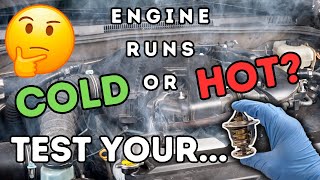
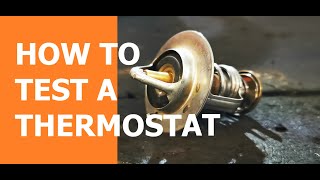
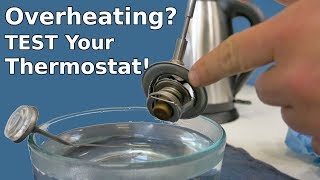
Pro Tip: Test Before You Install! No matter which brand you choose, it's a wise practice for classic car owners to test a new thermostat before installing it. Simply hang it in a pot of water with a thermometer and heat it up. Watch to see that it opens at the correct temperature (e.g., 180°F).
🎬 See how to test your new thermostat in boiling waterTypical Costs for a New Thermostat
Replacing a thermostat is one of the more affordable repairs you can make to your Imperial's cooling system.
| Part or Service | Estimated Cost |
|---|---|
| New Aftermarket Thermostat | $7.93 - $26.61 |
| Thermostat Gasket | $2 - $5 |
| Shop Labor | $75 - $150 |
Frequently Asked Questions
What temperature thermostat should I use for my 1955-1965 Imperial?
For these classic V8 engines, a 180°F thermostat is the most common and recommended temperature. This allows the engine to reach an efficient operating temperature without running too hot. Using a 160°F thermostat may cause the engine to run too cool, while a 195°F thermostat is generally for more modern, emissions-controlled engines.
Is replacing the thermostat a difficult DIY job?
No, this is a great job for a beginner. On these Imperials, the thermostat is usually located at the front of the engine where the top radiator hose connects to the engine block. The job involves draining some coolant, unbolting the housing, swapping the part, and replacing the gasket.
🎬 Watch: How to replace the thermostat on a big block DodgeShould I get a "high-flow" thermostat?
For a stock or lightly modified Imperial, a standard flow thermostat from a quality brand like Gates or Motorad is perfectly fine. High-flow thermostats, like those from Mr. Gasket, are designed for performance engines that operate at high RPMs. Some argue that coolant flowing too fast doesn't have enough time in the radiator to cool down properly.
Do I need to replace anything else at the same time?
Always replace the thermostat gasket. It's also a good time to inspect your radiator hoses, especially the upper one you have to remove. If they look cracked, swollen, or feel mushy, replace them. Consider a full coolant flush if the fluid looks rusty or dirty.
Helpful Videos



Technical Specifications
Standard Temperature: 180°F (82°C)
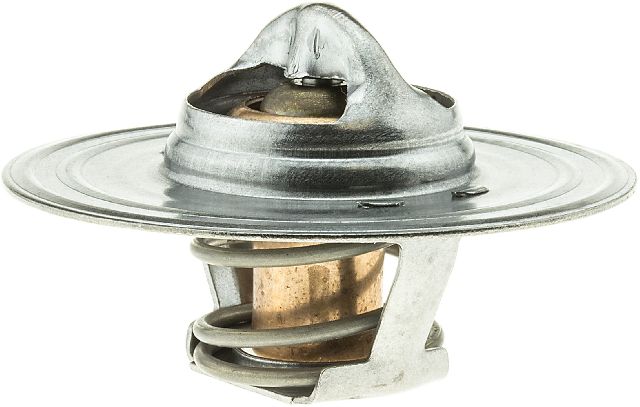
We Have This Part in Stock


The information in this article is provided for general reference and educational purposes only. Vehicle specifications, procedures, and part compatibility can vary by production date, trim level, and region. Always consult your vehicle's factory service manual and verify part numbers before purchasing or performing repairs. Safety-critical components such as airbags, seat belts, and braking systems should be installed by a qualified professional.