

Choosing the Right Spark Plug Wire Set for Your 1955-1967 Ford Thunderbird
Keep your classic Thunderbird's V8 engine running strong with the correct set of spark plug wires.
- Replacing wires one at a time is the most important step to avoid mixing up the firing order, which can prevent the engine from running.
- For a stock restoration, Motorcraft or reproduction wires with the 'FoMoCo' logo offer the most authentic look and reliable performance.
- If your Thunderbird has an upgraded electronic ignition or headers, choose a quality performance brand like MSD, Taylor, or Accel with 8mm silicone jackets for better heat protection.
- Ensure the new wire boots 'click' onto the spark plug and distributor cap to confirm a solid connection.
Signs of Failing Spark Plug Wires
Spark plug wires don't last forever, especially in a hot engine bay. Age, heat from the exhaust manifolds, and oil can cause the insulation to crack and break down. When this happens, you'll notice problems with how your Thunderbird runs. Common symptoms include:
- Rough Idle: The engine may shake or vibrate more than usual when stopped.
- Engine Misfire: You might feel a stumble or jerking as you drive, which is a sign that a cylinder isn't firing correctly.
- Hesitation on Acceleration: The car may feel sluggish or unresponsive when you press the gas pedal.
- Poor Fuel Economy: Worn wires can cause incomplete combustion, leading to more trips to the gas station.
- Visible Damage: You might see cracks, burns, or melting on the wire jackets or the boots at each end.
Pro Tip: The Night Sky Test
If you suspect a voltage leak, start your engine in a dark garage and look at the spark plug wires. If you see small blue sparks jumping from the wires to any metal part of the engine, the insulation has failed and the wires need to be replaced immediately.
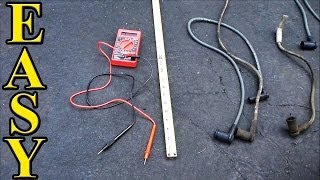
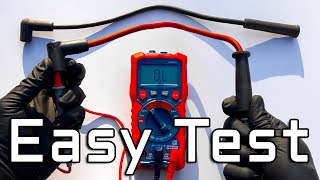
🎬 Watch: A quick guide on how to test spark plug wires.Choosing the Right Aftermarket Wires
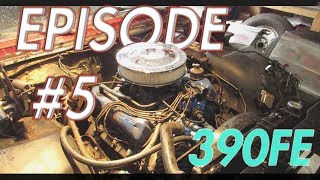
Since original Ford parts for these classic cars are rare, the aftermarket is your go-to source. The good news is you have many excellent options that often exceed original quality. The key is to choose a set that matches your engine (like the 292, 312, 390, or 428 V8) 🎬 Watch: Performing a full tune-up on a 390 FE engine. and your goals for the car.
Brand & Quality Tiers
Tier 1: OEM-Style & Premium Aftermarket
These brands offer excellent quality for a stock or mildly restored Thunderbird. They are designed for reliability and proper fit.
- Motorcraft: As Ford's own brand, Motorcraft wires are the closest you can get to original equipment quality and are highly recommended for a stock vehicle.
- NGK / Denso: While more known for spark plugs, these brands produce high-quality wire sets that are a dependable choice.
- Reproduction Wires: For the serious restorer, some companies make reproduction wires with the original "FoMoCo" script and correct colors.
Tier 2: Performance & Heavy-Duty
If you have upgraded your ignition system (with a Pertronix unit, for example) or have a modified engine, these brands offer lower resistance and better heat protection. They often use thicker 8mm or 8.5mm silicone jackets.
- MSD (Mr. Gasket): A leader in performance ignition, MSD wires are known for their low resistance and durability.
- Taylor Cable: A very popular choice in the classic car community, offering great performance and heat resistance.
- Accel: Another top performance brand, Accel offers wires with excellent heat protection, including sets with ceramic boots for cars with tight-fitting exhaust headers.
- Pertronix: Known for their electronic ignition systems, their Flame-Thrower wires are designed to complement their coils and distributors for a full system upgrade.
Tier 3: Standard Replacement
For a daily driver where budget is a priority, these brands provide reliable function and a direct fit.
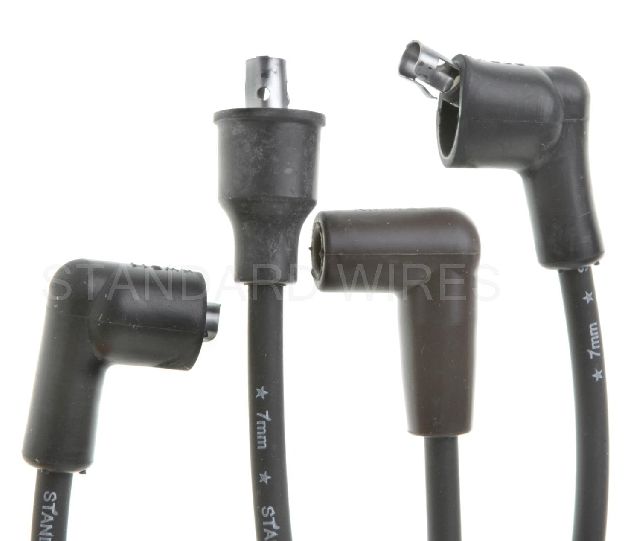
- Standard Motor Products (Standard Wires): A long-standing brand that offers quality, no-frills replacement parts.
- Walker Products / United Automotive: These brands offer affordable, standard-grade wire sets that get the job done.
| Quality Tier | Estimated Price Range | Best For |
|---|---|---|
| Standard Replacement | $29 - $60 | Daily drivers, budget repairs |
| OEM-Style & Premium | $50 - $120 | Stock restorations, reliability |
| Performance & Heavy-Duty | $80 - $255+ | Modified engines, high-heat applications |
Frequently Asked Questions (FAQ)
Do I need special tools to replace my spark plug wires?
No special tools are required. A good set of spark plug wire pullers can be helpful to avoid damaging the boots, but you can often remove them by twisting and pulling firmly on the boot itself. Never pull on the wire. The most important thing is to replace them one at a time to avoid mixing up the firing order.
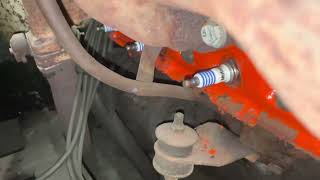
🎬 See this walkthrough for marking wires and replacing plugs.What's the difference between 7mm and 8mm (or larger) wires?
The measurement refers to the diameter of the wire. Original wires were typically 7mm. Performance wires are often 8mm, 8.5mm, or even larger. The thicker diameter allows for a heavier silicone jacket, which provides better insulation and protection against heat and voltage leaks. For a stock engine, 7mm or 8mm wires are perfectly fine. For modified engines with high-output ignition systems, 8mm or larger wires are recommended.
Are expensive performance wires worth it for a stock engine?
For a completely stock Thunderbird, you are unlikely to see a noticeable performance gain from expensive racing wires. A quality set of Motorcraft or other premium 7mm or 8mm wires will provide a strong, reliable spark. Performance wires are most beneficial when you have other ignition upgrades like a high-output coil or electronic distributor.
Were there any recalls or TSBs for Thunderbird spark plug wires?
No. Searches of the NHTSA database and technical service bulletin archives show no recalls or TSBs specifically for spark plug wires on the 1955-1967 Ford Thunderbird. Any issues are related to normal wear and tear over the vehicle's long life.
Helpful Videos
Technical Specifications
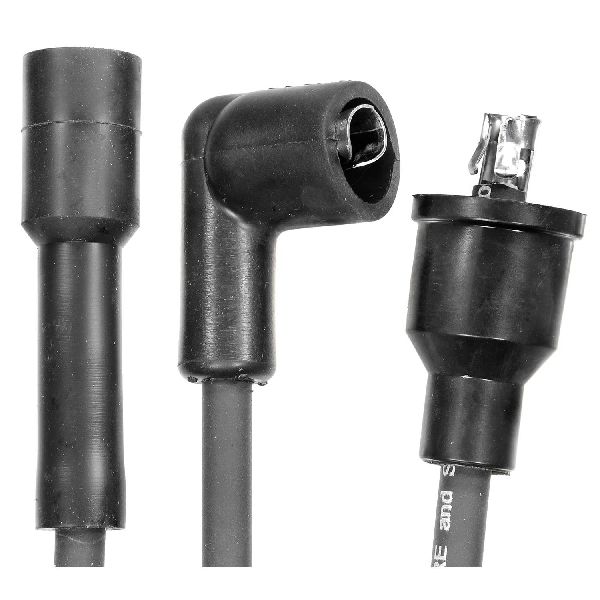
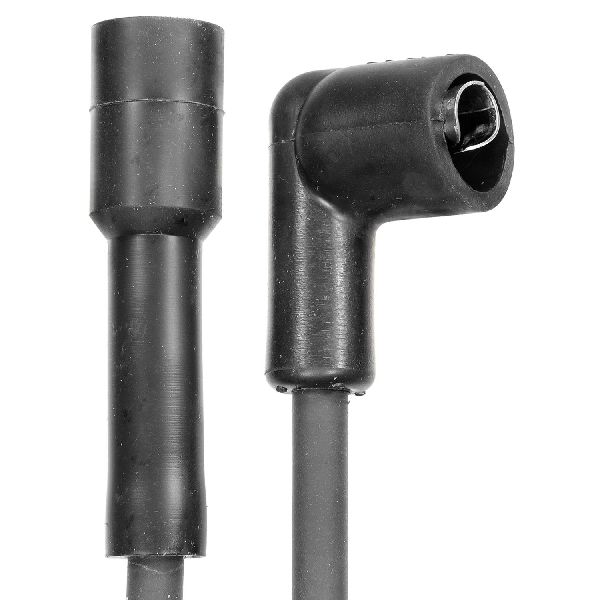
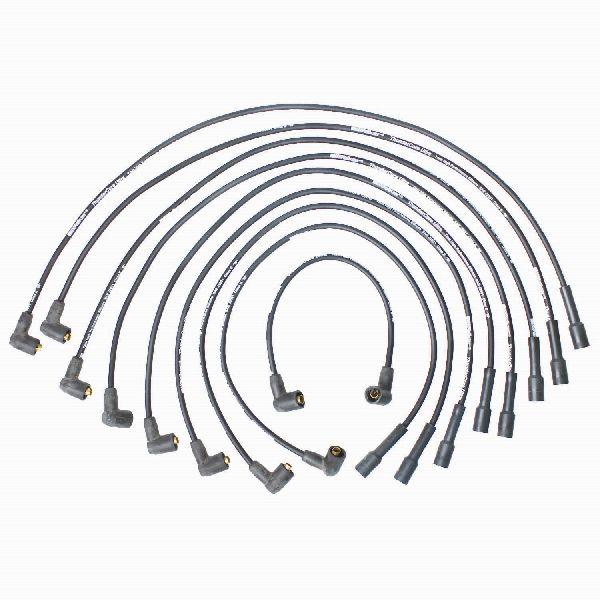
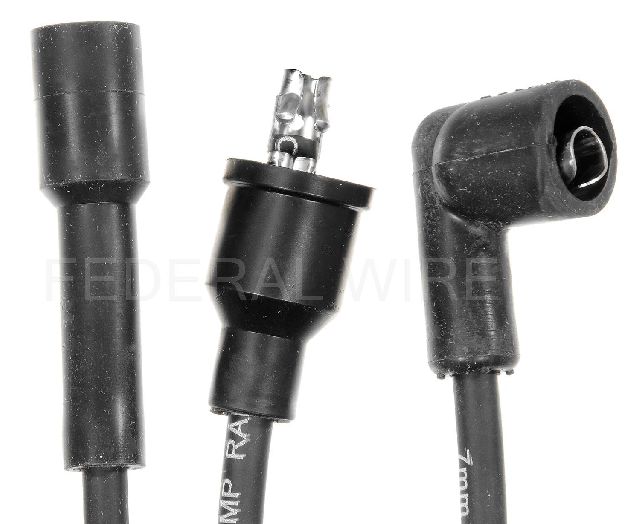
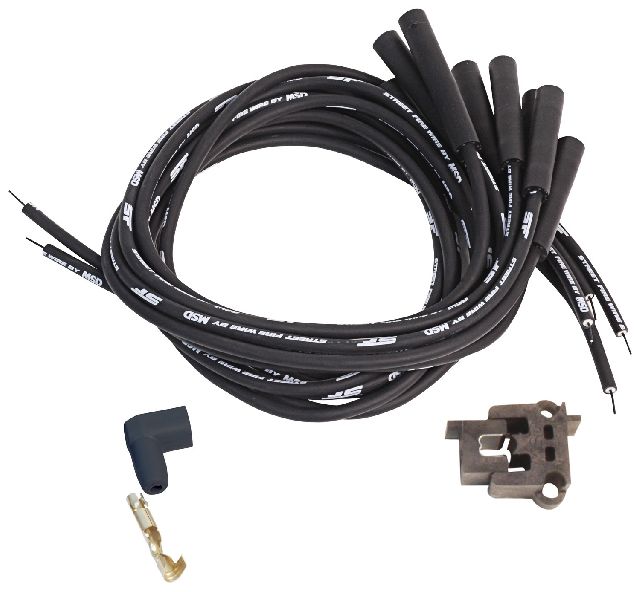
Wire Diameter: 7mm (stock) to 8.5mm+ (performance). Core Material: Spiral Wound (for radio noise suppression) or Carbon Core. Insulation Material: Silicone (recommended for heat resistance). Boot Angle: Varies by engine; typically straight or 90-degree boots for the distributor and spark plugs.
We Have This Part in Stock

The information in this article is provided for general reference and educational purposes only. Vehicle specifications, procedures, and part compatibility can vary by production date, trim level, and region. Always consult your vehicle's factory service manual and verify part numbers before purchasing or performing repairs. Safety-critical components such as airbags, seat belts, and braking systems should be installed by a qualified professional.