

Ford Thunderbird Ignition Switch Guide: 1955-1970
Is your classic Thunderbird having trouble starting or stalling? Your ignition switch might be the problem.
- Symptoms like no-start, stalling after starting, and flickering dash lights often point to a failing ignition switch.
- Before replacing the switch, always check the battery, starter solenoid, and wiring first, as these can cause similar issues.
- Standard Ignition (SMP) is a highly-regarded aftermarket brand for this part, with a long history of quality.
- Replacement is a DIY-friendly job, but you may need a special bezel tool to remove the switch from the dash.
Is Your Thunderbird's Ignition Switch Failing?
An ignition switch doesn't usually fail overnight. It gives warning signs. Since your 1955-1970 Thunderbird has a simpler electrical system, the symptoms are often clear. Ignoring them can leave you stranded.
Common Symptoms of a Bad Ignition Switch:
- Car Won't Start: You turn the key and get nothing—no crank, no click. This happens when the switch's internal contacts for the 'Start' position are completely worn out.
- Starts and Immediately Stalls: The engine fires up while you hold the key in the 'Start' position but dies as soon as you let go. This points to a failure in the 'On' or 'Run' circuit of the switch, which is supposed to keep the ignition system powered.
- Flickering Dashboard Lights: You may notice the dash lights or interior lights flicker when you jiggle the key or hit a bump. This indicates a loose or worn internal connection that can't supply steady power.
- Key is Hard to Turn or Gets Stuck: If the key feels stiff, binds, or won't turn smoothly, the mechanical part of the switch or the lock cylinder is likely worn out or damaged. In some cases, the internal parts can physically break.
- Accessories Don't Work: The radio, blower fan, or other accessories might not turn on when the key is in the 'Accessory' position. This shows that specific contacts inside the switch have failed.
Check Other Parts First
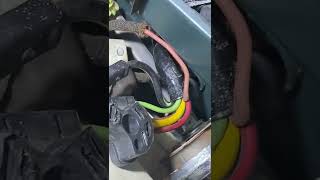
Many starting issues on classic Thunderbirds can be mistaken for a bad ignition switch. Before replacing it, check your battery, starter solenoid, and wiring connections, especially the main ground wires. 🎬 See how to replace the solenoid and ignition switch together. Also, automatic transmission models have a Neutral Safety Switch that can prevent starting if it fails or is out of adjustment.
Choosing the Right Aftermarket Ignition Switch
For a vehicle over 50 years old, finding a brand-new Ford (OEM) part is nearly impossible. The market for 1955-1970 Thunderbirds is served by aftermarket manufacturers. Quality is key, as a cheap switch can fail quickly or cause electrical issues.
Available Brand Tiers
- Standard Ignition (Standard Motor Products): A well-known and respected brand in the aftermarket world. For decades, mechanics have trusted Standard for reliable ignition components. While some of their product lines have moved manufacturing overseas, they are still considered a top-tier choice for classic cars. They have a reputation for good quality control and sometimes even re-box original manufacturer parts.
- Rostra Powertrain: Rostra is also a supplier of parts to original equipment manufacturers and the aftermarket. Their product info highlights the use of quality materials like copper alloy conductors and 100% performance testing. While not as commonly discussed in classic car forums as Standard, they are a valid option that meets OE specifications.
If you find yourself replacing ignition switches frequently, there might be another problem. One owner of a '65 Thunderbird reported replacing the switch five times in one year. This is not normal and suggests an underlying electrical short or a high-amperage component drawing too much power through the switch, causing it to burn out. If this happens, a full electrical diagnosis is needed.
Estimated Replacement Costs
The cost to replace an ignition switch is reasonable, especially if you do the work yourself. The part itself is not expensive.
| Item | Estimated Cost |
|---|---|
| New Aftermarket Ignition Switch | $20.56 - $59.14 |
| Shop Labor | $100 - $200 |
| Total Estimated Cost | $120 - $260 |
Frequently Asked Questions
Is it hard to replace a Thunderbird ignition switch?
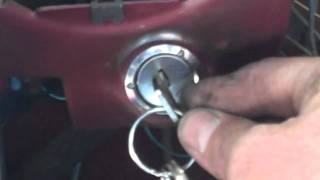
For a home mechanic with basic tools, this is a manageable job. The most difficult part is often removing the bezel from the dashboard, which may require a special tool. After that, you disconnect the battery, unplug the wiring connector, and release the switch from the dash. 🎬 Watch this helpful walkthrough for installing a mid-1960s ignition switch. The difficulty is low to moderate.
Do I need to replace the lock cylinder with the switch?
Not always. On many Fords of this era, the electrical switch and the mechanical lock cylinder (where you insert the key) can be two separate parts. If your key still turns smoothly but you have electrical symptoms, you may only need the switch. If your key is sticking or hard to turn, you should replace the lock cylinder and keys as well.
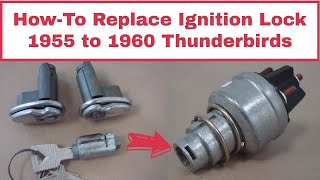
🎬 Watch: How to replace the ignition lock cylinder on 1955-1960 models.Are there any recalls on the 1955-1970 Thunderbird ignition switch?
No. There are no active or historical safety recalls from the National Highway Traffic Safety Administration (NHTSA) for the ignition switch on these model years. Any failures are due to the age and wear of the component.
What are common mistakes when ordering this part?
The ignition switch changed several times between 1955 and 1970. Be sure to order the exact part for your specific model year. For example, parts for a 1956 'Baby Bird' are different from a 1966 'Flair Bird'. Also, check if your car has a tilt or non-tilt steering column, as this can sometimes affect which switch you need.
Helpful Videos
Technical Specifications
OEM Part Numbers: C5AZ-11572-B
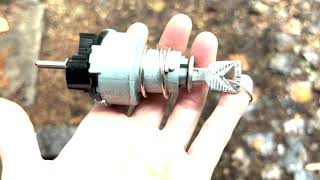
Varies by year. Consists of a mechanical lock cylinder and a separate electrical switch with multiple terminals for battery, ignition, start, and accessory circuits.
We Have This Part in Stock


The information in this article is provided for general reference and educational purposes only. Vehicle specifications, procedures, and part compatibility can vary by production date, trim level, and region. Always consult your vehicle's factory service manual and verify part numbers before purchasing or performing repairs. Safety-critical components such as airbags, seat belts, and braking systems should be installed by a qualified professional.