

Cadillac DeVille HVAC Blower Motor Guide (1955-1976)
Restore comfort to your classic DeVille by diagnosing and replacing a faulty HVAC blower motor.
- Symptoms like weak airflow, strange noises, or no air at all are strong indicators of a failing blower motor.
- If the fan only works on the 'High' setting, test the blower motor resistor before replacing the motor itself.
- Aftermarket brands like Continental and Four Seasons offer cost-effective and reliable replacements for these classic vehicles.
- Replacement is a feasible DIY project for many owners, typically requiring access to the passenger side of the engine bay or firewall.
Is Your Cadillac's Blower Motor Failing?
A failing blower motor in your classic DeVille can make driving in extreme weather unpleasant. Symptoms are usually straightforward and point to a problem in the HVAC system. Recognizing them early can help you get your climate control back in working order.
Common Symptoms of a Bad Blower Motor:
- No Air From Vents: The most obvious sign is a complete lack of airflow when you turn the fan on. This could mean the motor has burned out or there's an issue in the electrical circuit.
- Weak Airflow: If the fan feels much weaker than it used to, the motor may be wearing out and losing its ability to spin at full speed.
- Fan Only Works on High Speed: This classic symptom often points to a failed blower motor resistor, not the motor itself. The high-speed setting typically bypasses the resistor, sending full power directly to the motor. If other speeds don't work, you should test the resistor first.
- Unusual Noises: Squealing, grinding, or rattling sounds from the dash or engine bay that change with fan speed are a strong indicator of a bad motor. Worn-out bearings or debris inside the fan housing are common causes.
- Smoke or Burning Smell: A burning smell or smoke coming from the vents is a serious sign that the motor may be overheating or has an electrical short. You should pull over and investigate immediately to avoid a potential fire.
Pro Tip: Check Related Components First
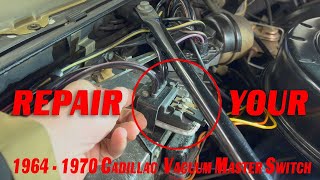
Before replacing the blower motor, check the fuse, relay, and especially the blower motor resistor. For many Cadillac models in this era, a failed resistor is a common cause for the fan only working on the highest setting. On some 1960s models, a vacuum-operated master switch can also be the culprit 🎬 Learn how to repair a classic Cadillac master vacuum blower switch. if the blower doesn't turn on at all.
Choosing the Right Aftermarket Blower Motor
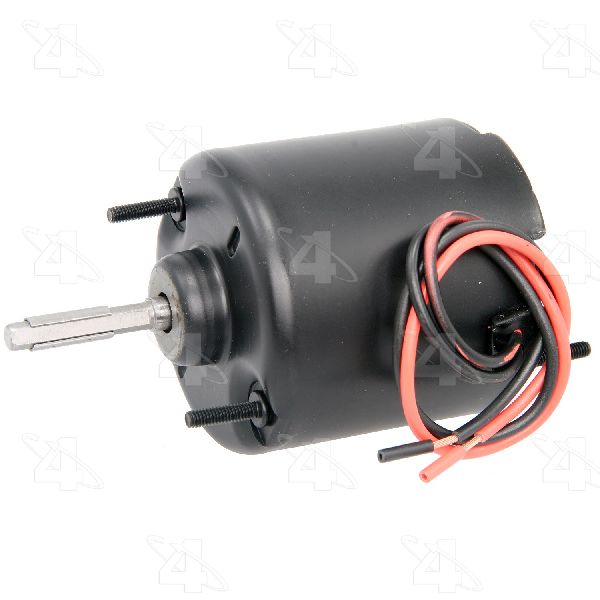
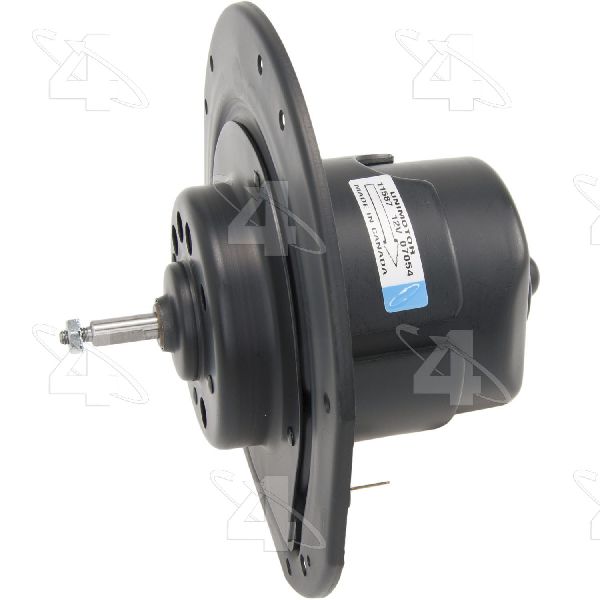
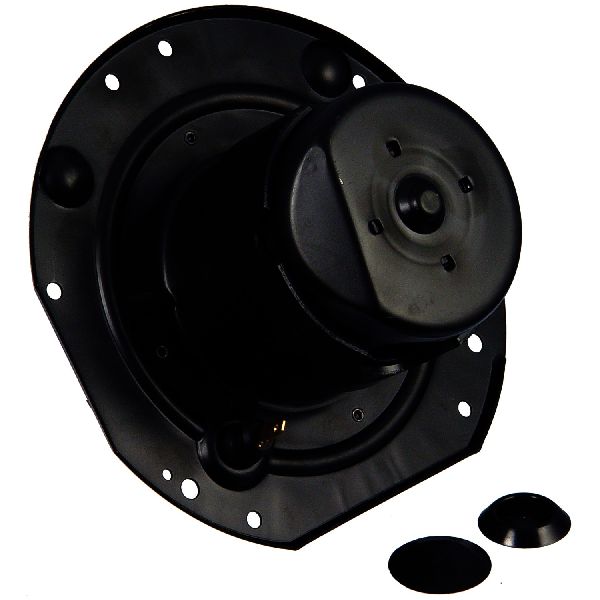
For a vehicle as old as a 1955-1976 DeVille, finding a "New Old Stock" (NOS) OEM part can be difficult and expensive. Aftermarket blower motors offer a practical and affordable solution. The two main brands available, Continental and Four Seasons, are well-known in the industry.
- Continental: Often regarded as a higher-tier aftermarket brand, Continental parts are known for their precision and build quality that often matches original equipment standards.
- Four Seasons: A long-standing name in the climate control market, Four Seasons provides reliable, budget-friendly replacement parts. While some forum users have mixed opinions on quality compared to OEM, others find them to be a perfectly acceptable replacement, especially for less complex jobs.
For a classic Cadillac, either brand will restore function. Given the straightforward nature of a blower motor, a quality aftermarket part from a reputable brand is a sensible choice for most owners.
| Brand | Price Range |
|---|---|
| Continental / Four Seasons | $47.03 - $72.39 |
Frequently Asked Questions
Where is the blower motor located on my 1955-1976 DeVille?
The location can vary slightly by year. Generally, it is found under the hood on the passenger side, mounted to the firewall or the HVAC box. Some owners have accessed it by removing the inner fender liner on the passenger side. Always consult a service manual for your specific model year for the exact location and procedure.
Why does my fan only work on the 'High' setting?
This is a classic symptom of a failed blower motor resistor, not necessarily the motor itself. The resistor controls the fan speed on lower settings. The 'High' setting bypasses this resistor, which is why it's the only speed that works when the resistor fails. It's a good idea to test or replace the resistor before buying a new motor.
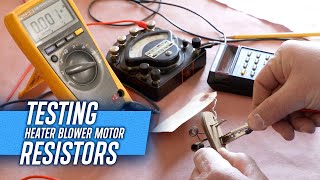
🎬 Watch this guide on how to test your blower motor resistor.Is replacing the blower motor a DIY job?
For many owners with basic mechanical skills, yes. The replacement process typically involves removing a few screws, unplugging a single power wire, and swapping the unit. The most challenging part can be accessing the mounting screws, which may be in a tight space. The job usually requires only basic hand tools.
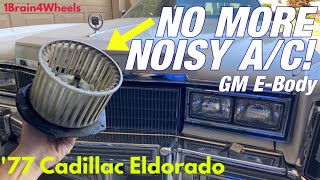
🎬 See how to replace an HVAC blower motor in minutes.Do I need to replace the fan cage (squirrel cage) too?
Most aftermarket motors are sold with a new fan cage already installed. If you purchase a motor without the cage, you will need to carefully transfer the original one to the new motor shaft. Be aware that the old plastic or metal cage can be brittle and difficult to remove without damage.
Helpful Videos
Technical Specifications
Due to the long production run from 1955 to 1976, multiple blower motor designs were used. It is critical to verify the part fits your specific model year before ordering. Most motors for this era are a 12-volt DC design and are typically grounded through the motor's case to the vehicle chassis.
We Have This Part in Stock

The information in this article is provided for general reference and educational purposes only. Vehicle specifications, procedures, and part compatibility can vary by production date, trim level, and region. Always consult your vehicle's factory service manual and verify part numbers before purchasing or performing repairs. Safety-critical components such as airbags, seat belts, and braking systems should be installed by a qualified professional.