

A Practical Guide to Engine Mounts for the 1956-1961 Mercury Monterey
Eliminate engine vibration and protect your classic from damage by choosing the right replacement motor mounts.
- Excessive vibration at idle and clunking noises on acceleration are the most common signs of failure.
- For this vehicle, new aftermarket mounts are the most practical and available replacement option.
- It is highly recommended to replace all engine and transmission mounts at the same time for a lasting repair.
- The job is DIY-feasible but requires safely supporting the engine's weight.
Symptoms of a Failing Engine Mount
The large, powerful engines in the 1956-1961 Mercury Monterey create a lot of vibration. Over decades, the rubber in the original engine mounts dries out, cracks, and fails. When this happens, you'll notice clear signs that it's time for a replacement.
- Increased Vibration: This is the most common symptom. You might feel a new or excessive vibration through the steering wheel, floor, or seats, especially when the car is idling at a stop light.
- Clunking or Thumping Noises: Loud clunks or thuds when you accelerate, decelerate, or shift gears can be a sign of a broken mount. This noise is the sound of the engine moving too much and hitting other components in the engine bay.
- Visible Engine Movement: A severely worn mount will allow the engine to move or rock excessively. You can sometimes see this by having a helper gently apply the brake, shift between drive and reverse, and lightly touch the accelerator while you watch the engine (from a safe distance). Any large lurching or lifting indicates a bad mount.
Choosing the Right Aftermarket Mount
For a classic vehicle like the 1956-1961 Monterey, finding new original equipment (OEM) parts from Ford is not possible. Your options are typically New Old Stock (NOS) parts, which are rare and expensive, or new aftermarket parts. Aftermarket mounts are the most common and practical choice for these vehicles.
When looking at available brands, it's important to understand that quality can vary.
- Pioneer: This brand is generally considered a reliable standard replacement. Pioneer states they use a specific testing process to ensure proper fit. Some users in online forums consider them to be a quality aftermarket part.
- DEA: DEA is often positioned as a budget-friendly option. However, reviews from mechanics and DIYers in various car forums are mixed, with some reporting that DEA mounts can cause vibrations or fail prematurely compared to other brands. If choosing this option, be aware of the potential for a shorter service life.
Pro Tip: Inspect All Mounts
Your Monterey has more than one engine mount, as well as a transmission mount. If one has failed due to age, the others are likely in similar condition. It is highly recommended to inspect all mounts and replace them as a set to ensure proper engine alignment and vibration dampening.
Engine Mount Replacement Cost for 1956-1961 Mercury Monterey
The cost to replace engine mounts on a classic car is almost entirely labor. The parts themselves are relatively inexpensive. The good news is that these older vehicles have more open engine bays, making the job simpler than on a modern car.
| Part Type | Estimated Cost (Parts Only) |
|---|---|
| New Aftermarket Mounts | $33.15 - $35.34 (per mount) |
| New Old Stock (NOS) OEM | $100 - $300+ (per mount, if found) |
| Shop Labor | $150 - $300 |
Frequently Asked Questions
Can I replace just one bad engine mount?
You can, but it's not recommended. The mounts wear out together from age and stress. A new, stiff mount paired with an old, soft one can put extra strain on the older part and other components. For best results, replace them all at the same time.
How many engine mounts does my Monterey have?
Classic rear-wheel-drive cars like the Monterey typically have two engine mounts (one on each side of the engine block) and one transmission mount at the rear of the transmission. All three work together to support the drivetrain.
Is replacing engine mounts a DIY job?
Yes, for a person with mechanical experience and the right tools. The key challenge is safely supporting the engine's weight with a floor jack and a block of wood or an engine hoist while you unbolt the old mounts. If you are not comfortable with this procedure, it is best left to a professional mechanic.
What happens if I don't replace a bad engine mount?
Ignoring a bad mount can lead to more serious problems. The constant movement can damage other components like cooling hoses, exhaust manifolds, and transmission linkages. In a severe failure, the engine can shift enough to cause significant damage, making the car unsafe to drive.
Technical Specifications
OEM Part Numbers: B9M-6038-A
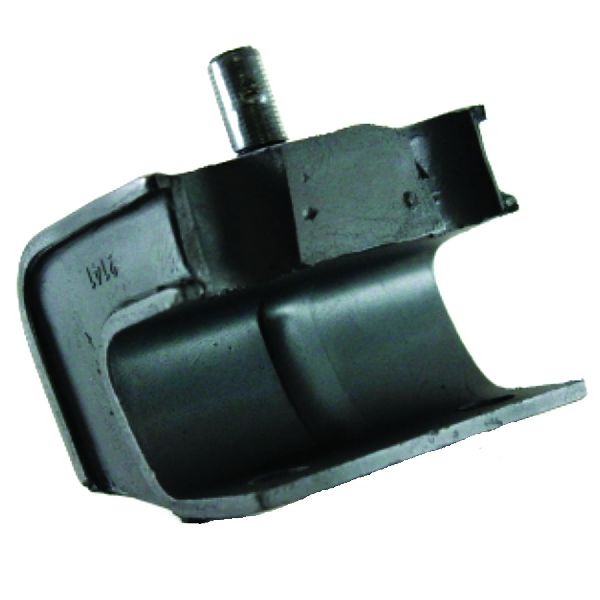
The replacement mount for 1956-1962 Ford and Mercury models often fits both the left and right side of Y-Block and FE engines.
We Have This Part in Stock


The information in this article is provided for general reference and educational purposes only. Vehicle specifications, procedures, and part compatibility can vary by production date, trim level, and region. Always consult your vehicle's factory service manual and verify part numbers before purchasing or performing repairs. Safety-critical components such as airbags, seat belts, and braking systems should be installed by a qualified professional.