

Engine Timing Set Guide for the 1956-1962 Dodge Lancer
Keep your classic Lancer's engine running strong and in-sync with the right timing set.
- First, confirm if you have a 1956-59 V8 model or a 1961-62 Slant-6 model to ensure you order the correct part.
- A rattling noise from the front of the engine is the most common symptom of a worn timing chain.
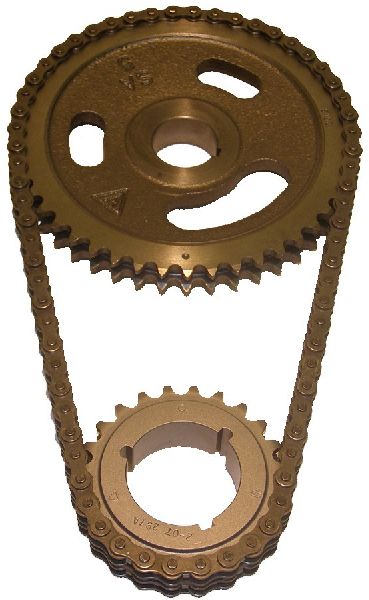
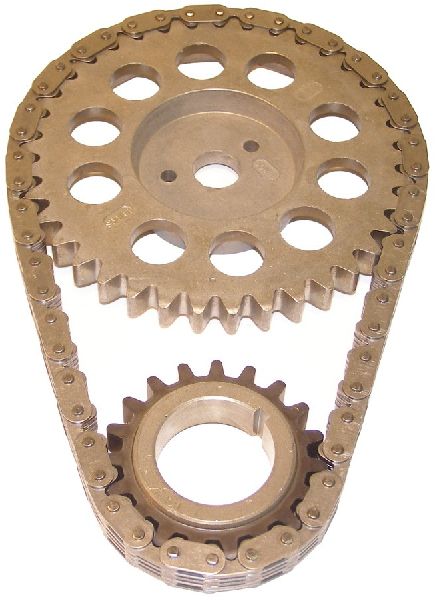
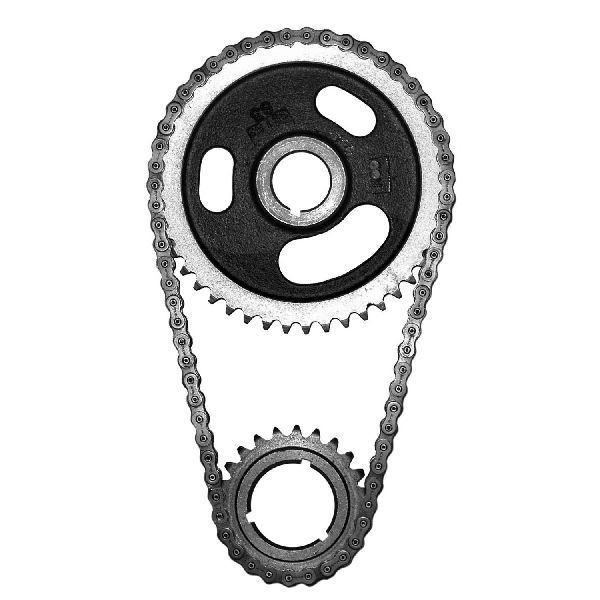
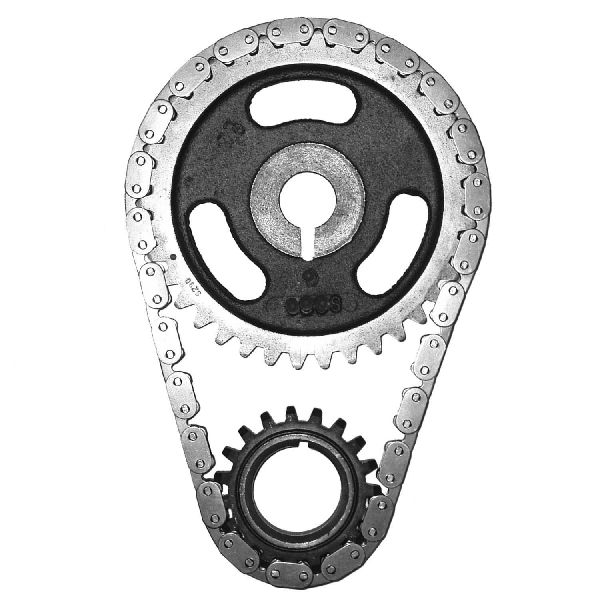
- Always replace the timing chain and gears as a complete set to prevent premature wear.
- Use a proper harmonic balancer puller and installer to avoid causing severe engine damage.
First, Which Dodge Lancer Do You Own?
Before buying parts, it's crucial to identify your vehicle. The "Dodge Lancer" name was used for two very different cars in this period. Ordering the wrong part is a common mistake.
- 1956-1959 Lancer: This was not a distinct model, but a name for the 2-door and 4-door hardtop versions of the full-size Dodge Coronet, Royal, and Custom Royal. These cars used various V8 engines, like the 315, 361, or 383.
- 1961-1962 Lancer: This was a compact car based on the Plymouth Valiant. These models came exclusively with the legendary Slant-6 engine, either the 170 or 225 cubic inch version.
This guide will focus primarily on the 1961-1962 Lancer with the Slant-6 engine, as it is the more common and distinct model. Owners of 1956-1959 models should search for parts based on their specific engine (e.g., "315 Poly timing chain").
Symptoms of a Worn Timing Set
A timing chain and gears wear out over time. The chain stretches and the gear teeth wear down. When this happens, you may notice several warning signs.
Key Failure Symptoms
- Engine Rattle: The most common sign is a rattling or clattering noise from the front of the engine, especially noticeable at idle or on startup. This is the sound of the loose chain slapping against the inside of the timing cover.
- Poor Engine Performance: A stretched chain can retard ignition timing. This can cause a loss of power, rough idling, hesitation during acceleration, and engine misfires.
- Metal Shavings in Oil: When you change your oil, look for shiny metal particles in the drained oil. These can be bits of the timing gears or chain breaking off as they wear.
- Engine Won't Start: In a worst-case scenario, a very stretched chain can jump a tooth on the gears, throwing timing off so much the engine won't run. If the chain breaks completely, the engine will stop immediately and could suffer major internal damage.
Choosing the Right Aftermarket Timing Set
For a vehicle of this age, New Old Stock (NOS) OEM parts are extremely rare and expensive. Aftermarket parts are the go-to solution. Quality can vary, so it's important to choose a reputable brand.
| Brand Tier | Brands | Quality & Performance Assessment |
|---|---|---|
| Premium / Heavy-Duty | Melling Select Performance | This is a top-tier choice for performance builds or for owners who want maximum durability. These sets are made with high-strength materials to handle higher engine stress and provide long life. |
| Standard Replacement | Melling, INA | Melling is a well-respected American brand often considered an OEM-quality equivalent for classic cars. INA, part of the Schaeffler group, is a major OE supplier known for high-quality, complete kits that often include seals and assembly lube. Both are excellent choices for a standard engine rebuild. |
| Economy | Cloyes | Cloyes is a widely available budget-friendly option. However, some users in forums have reported issues with brand-new chains having excessive slack right out of the box. If you choose this option, it is wise to inspect the parts carefully and measure the chain slack before installation. |
Pro Tip for Slant-6 Owners
The Slant-6 engine does not have a factory provision to control camshaft "end play," which is the forward-and-backward movement of the camshaft. As the timing set wears, this movement can increase. Some enthusiasts modify the timing cover to add a thrust button or an adjustable stop that limits this movement, which can improve timing stability and longevity.
Estimated Costs
The cost of replacing a timing set includes the parts and, if you're not doing it yourself, shop labor.
| Item | Estimated Cost |
|---|---|
| New Aftermarket Timing Set | $39 - $168 |
| Shop Labor | $400 - $650 |
| Total Professional Replacement | $439 - $818 |
Note: New OEM parts are generally not available. Labor costs are estimates and will vary by location and shop.
Frequently Asked Questions (FAQ)
Can I replace just the timing chain?
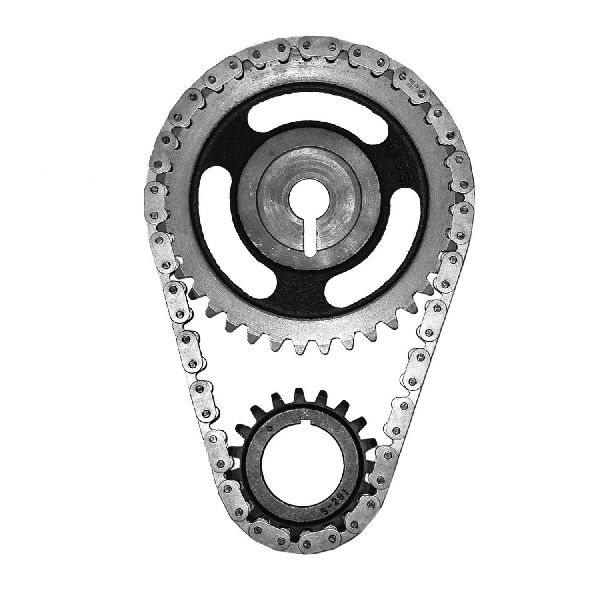
It is not recommended. The timing gears wear down along with the chain. Installing a new chain on old, worn gears will cause the new chain to wear out very quickly. Always replace the chain and both gears as a set.
How do I make sure the timing is correct during installation?
Timing gear sets have marks on them (usually a dot or a line). Before removing the old set, rotate the engine until these marks are aligned with each other. When you install the new set, you must ensure the marks on the new gears are aligned in the exact same way before putting the timing cover back on.
Do I need special tools for the job?
Yes. You will need a harmonic balancer puller to remove the main pulley from the crankshaft without damaging it. You will also need a harmonic balancer installer tool to press the pulley back on correctly. Attempting to hammer the balancer back on can destroy the engine's main thrust bearing.
Should I replace anything else while I'm in there?
Absolutely. Since you have the timing cover off, it is the perfect time to replace the front crankshaft seal (also called the timing cover seal). It's an inexpensive part that is much harder to replace on its own. You should also replace the timing cover gasket.
Technical Specifications
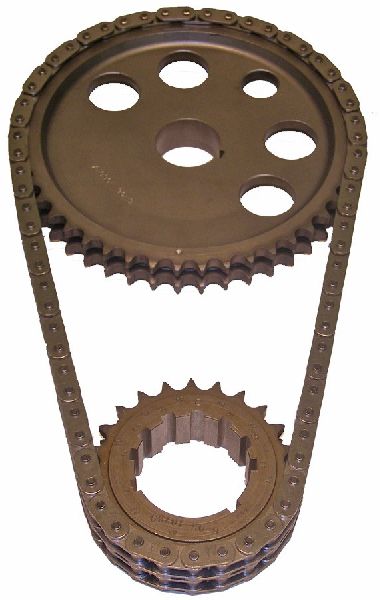
For Slant-6 Engines: - Chain Type: Link-plate silent chain - Camshaft Gear Material: Typically cast iron or nylon-toothed aluminum - Crankshaft Gear Material: Hardened steel
We Have This Part in Stock

The information in this article is provided for general reference and educational purposes only. Vehicle specifications, procedures, and part compatibility can vary by production date, trim level, and region. Always consult your vehicle's factory service manual and verify part numbers before purchasing or performing repairs. Safety-critical components such as airbags, seat belts, and braking systems should be installed by a qualified professional.