

Your 1956-1964 Dodge Coronet's Engine Coolant Bypass Hose: A Complete Guide
This small hose plays a big role in protecting your classic Coronet's engine during warm-up.
- The bypass hose is crucial for even engine warm-up on your Coronet's V8, preventing hot spots and potential damage.
- Inspect the hose regularly for cracks, swelling, or sponginess; replacement is cheap insurance against engine overheating.
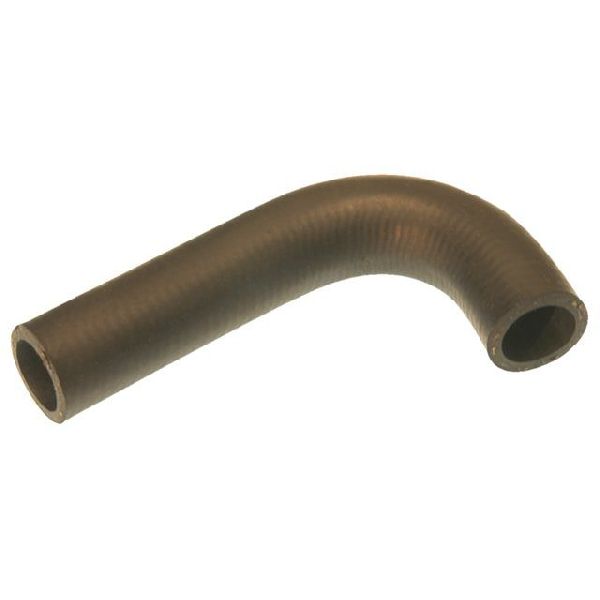
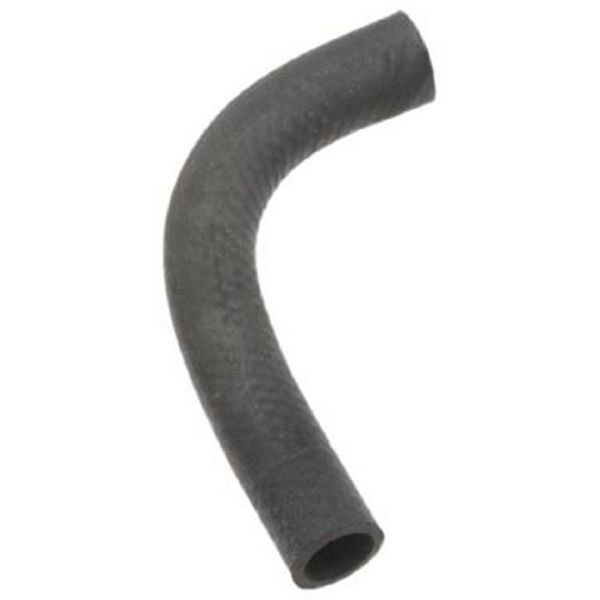
- Both Dayco and Gates are trusted aftermarket brands; focus on getting a hose with the correct shape and fit for your specific engine.
- If the bypass hose fails, it's wise to replace all other coolant hoses and the thermostat at the same time.
Protecting Your Classic V8
On the V8 engines found in the 1956-1964 Dodge Coronet, the engine coolant bypass hose is a key component for a healthy warm-up cycle. It ensures coolant is moving through the engine before the thermostat opens, which prevents thermal shock and uneven expansion of metal components. While modern engines often have internal bypass passages, many classic engines from this era rely on this external hose to do the job. Because it constantly handles hot coolant, this rubber hose is a common wear item that needs regular inspection.
Symptoms of a Failing Bypass Hose
A failed bypass hose can lead to serious engine problems quickly. Keep an eye out for these warning signs:
- Coolant Leaks: The most obvious sign is a puddle of green, yellow, or orange fluid under your car. The leak may be a slow drip or a steady stream, often originating from the front of the engine near the water pump or thermostat housing.
- Visible Hose Damage: Open the hood and inspect the hose. Look for cracks, splits, bulging, or swelling. A hose that feels spongy, mushy, or excessively hard is a sign of internal deterioration and should be replaced immediately.
- Engine Overheating: If the hose bursts, you will lose coolant rapidly, causing the engine temperature to spike. This is a critical situation that can lead to a blown head gasket or other severe engine damage.
- Sweet Smell: You may smell the sweet scent of antifreeze from the engine bay before you see a visible leak. This indicates a small leak where coolant is burning off on the hot engine.
Warning: Do Not Drive
If you suspect a bypass hose failure, especially if you see a significant leak or your temperature gauge is rising, do not drive the vehicle. A complete loss of coolant can destroy your engine in minutes.
Choosing the Right Aftermarket Hose: Dayco vs. Gates
For a classic like the 1956-1964 Coronet, finding a New Old Stock (NOS) OEM hose is nearly impossible. The good news is that high-quality aftermarket brands are readily available and offer excellent performance. The two main brands you'll find are Dayco and Gates.
- Gates: Often considered an OEM supplier for many car manufacturers, Gates hoses have a strong reputation for quality and fitment. Many mechanics trust them for their consistency.
- Dayco: Dayco is another top-tier brand. Some users report that Dayco hoses can feel slightly thicker or more robust than other brands. They are a perfectly reliable choice for your Coronet.
Pro Tip: With any aftermarket hose on a classic car, fitment is the most important factor. While both Gates and Dayco are excellent, compare the new hose to the old one before installation. Ensure the bends and length are correct. Sometimes a hose is designed for multiple applications and may require trimming to length.
Cost to Replace a Coronet Coolant Bypass Hose
Replacing this hose is one of the more affordable maintenance jobs for your classic car. The part itself is inexpensive, and labor is straightforward for a mechanic familiar with vintage vehicles.
| Part/Service | Estimated Cost |
|---|---|
| New Aftermarket Part (Dayco, Gates) | $16 - $31 |
| Shop Labor | $100 - $200 |
| Total Estimated Cost | $116 - $231 |
Note: Labor costs can vary significantly based on your location and the shop's rate for classic car work. This estimate also assumes replacement of the hose only and does not include the cost of new coolant if a full system flush is performed.
Frequently Asked Questions (FAQ)
Are there any recalls or technical service bulletins (TSBs) for this part?
Due to the age of the 1956-1964 Dodge Coronet, there are no active recalls or digitally available TSBs from the manufacturer for the engine coolant bypass hose. Failures are typically due to the age and wear of the rubber components.
Is this a difficult DIY job?
For a mechanically inclined owner, this is a relatively easy job. It typically involves partially draining the coolant, loosening two hose clamps, removing the old hose, and installing the new one. Access on these classic V8 engines is usually very good compared to modern cars.
Should I replace other parts at the same time?
Yes. It is highly recommended to inspect all other coolant hoses, including the upper and lower radiator hoses and heater hoses, at the same time. These hoses are all the same age and have been exposed to the same conditions. It's also a good time to inspect the hose clamps and consider replacing the thermostat, as you'll have the system partially drained anyway.
What kind of coolant should I use in my classic Coronet?
For classic cars of this era, a conventional green or yellow IAT (Inorganic Additive Technology) antifreeze is typically recommended. Always mix it 50/50 with distilled water. Avoid modern long-life coolants (like OAT or HOAT) as they may not be compatible with the materials used in your classic's cooling system. Always consult your vehicle's service manual if available.
Technical Specifications
OEM part numbers for this component are not readily available in modern digital catalogs. It is best to match the old hose by shape and diameter when purchasing a replacement.
We Have This Part in Stock

The information in this article is provided for general reference and educational purposes only. Vehicle specifications, procedures, and part compatibility can vary by production date, trim level, and region. Always consult your vehicle's factory service manual and verify part numbers before purchasing or performing repairs. Safety-critical components such as airbags, seat belts, and braking systems should be installed by a qualified professional.