

Choosing the Right Aftermarket Starter for Your 1957-1966 Ford Ranchero
Get your classic Ranchero turning over reliably with the right starter upgrade.
- A common failure on 1957-1966 Rancheros is 'heat soak', where the starter struggles to crank a hot engine.
- Upgrading to a modern, high-torque gear reduction starter (often called a 'mini-starter') is the most effective way to solve heat soak and improve cranking on engines with higher compression.
- Brands like Powermaster and MSD offer premium high-torque options, while MPA provides reliable standard replacements.
- Before replacing the starter, always check that your battery is fully charged and that all cable connections (including grounds) are clean and tight.
Is Your Ranchero's Starter Failing?
The starting system on a classic 1957-1966 Ford Ranchero is simple but can be a source of frustration. Symptoms of a failing starter are often mistaken for a bad battery or solenoid. Knowing the signs can save you time and money.
Common symptoms include a single, loud "click" from the engine bay when you turn the key, slow or labored engine cranking, or no sound at all. Sometimes, you might hear a grinding noise if the starter gear isn't engaging with the flywheel correctly. If you have to try turning the key multiple times before the engine finally cranks, your starter is likely on its way out.
A Common Problem: Heat Soak
One of the most frequent issues for these classic Fords is starter "heat soak." This happens when the starter gets hot from being close to the exhaust manifold. The extra heat increases electrical resistance, making the starter struggle to turn the engine over, especially after a hot run. You might shut the truck off for a few minutes and come back to a starter that acts like the battery is dead, only to have it start fine an hour later once it has cooled.
Choosing the Right Aftermarket Starter
For a vintage vehicle like the 1957-1966 Ranchero, "new OEM" starters are not available. Your choices are remanufactured original-style starters or modern aftermarket designs. Aftermarket starters offer significant advantages, especially for solving problems like heat soak.
Standard vs. High-Torque (Gear Reduction) Starters
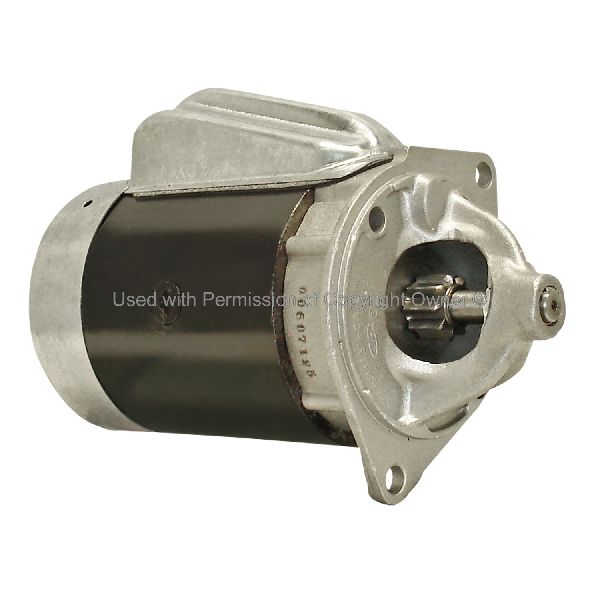
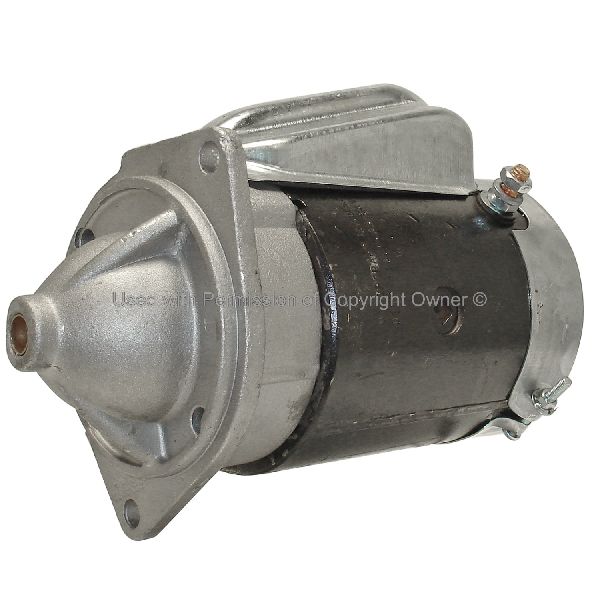
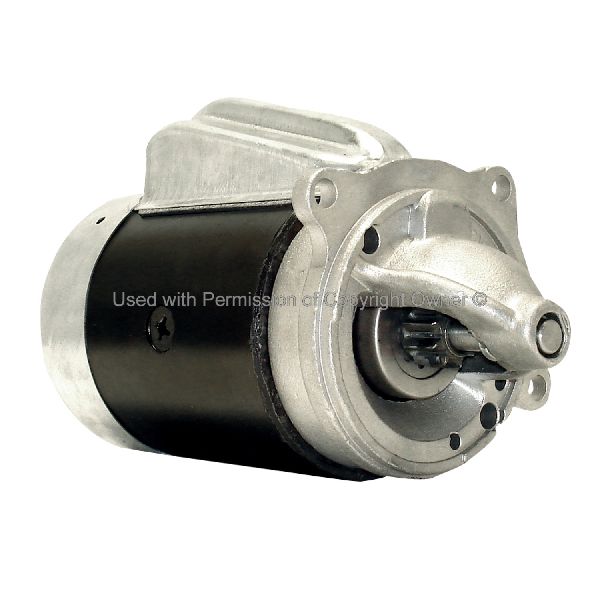
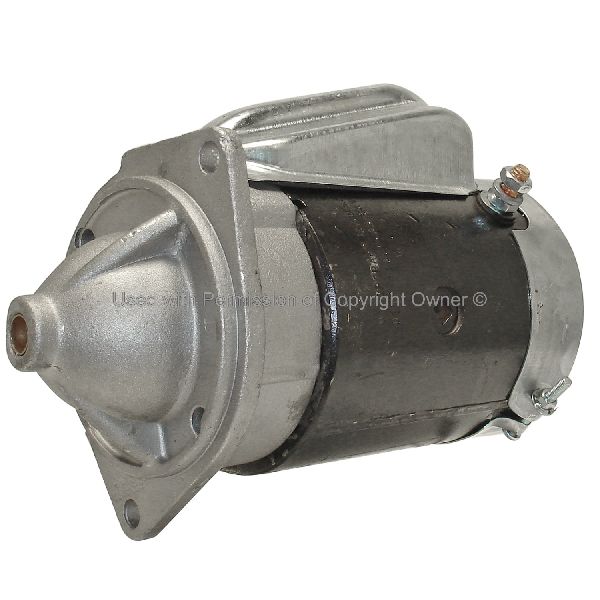
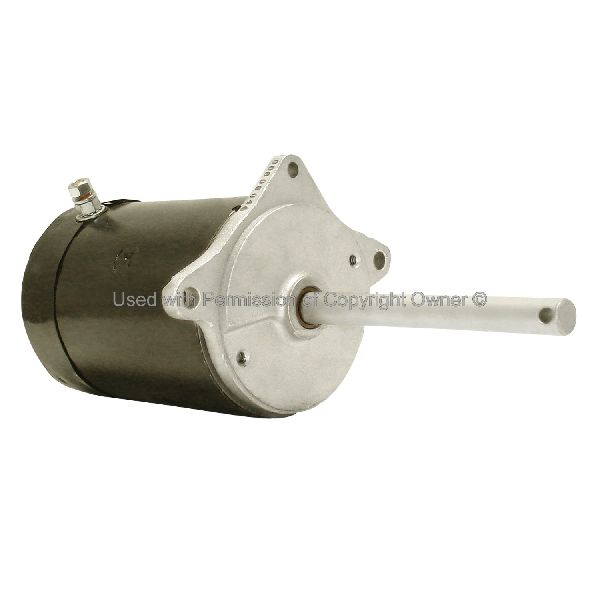
Standard Replacement Starters: These are typically remanufactured units or new reproductions that look and function like the original Ford starter. Brands like MPA provide reliable, direct-fit options that are great for stock restorations where originality is key. They are a cost-effective choice if your vehicle is completely stock and you don't experience heat-related starting issues.
High-Torque / Gear Reduction Starters: These are a modern upgrade and the best solution for many Ranchero owners. Brands like Powermaster, MSD, and Proform offer these powerful starters. They use a set of internal gears to multiply the motor's torque, allowing them to turn the engine over with less effort and electrical draw. This makes them ideal for engines with higher compression or for solving chronic heat soak problems. They are also physically smaller, which can improve clearance around headers and exhaust manifolds.
Pro Tip: If you are fighting a heat soak issue, a high-torque mini-starter from a brand like Powermaster or MSD is the most effective and permanent solution. Some owners also add a heat shield or wrap for extra protection.
Aftermarket Starter Brand Tiers
- Premium Performance (High-Torque): MSD and Powermaster are top-tier choices known for reliability and high performance, especially in modified vehicles or those with heat soak problems. They are more expensive but offer powerful, gear-reduction designs that provide fast, reliable cranking.
- Value Performance: Brands like Proform and Mr. Gasket offer high-torque starter options that are often more budget-friendly than the premium brands. They provide a good balance of performance and price for daily drivers and mild custom builds.
- Standard Replacement: MPA is a well-known provider of quality remanufactured and new standard-style starters. These are a solid choice for a stock vehicle needing a reliable, factory-style replacement.
Estimated Costs for a New Aftermarket Starter
| Part Type | Estimated Cost |
|---|---|
| New Aftermarket (Standard) | $88 - $150 |
| New Aftermarket (High-Torque) | $180 - $392 |
| Shop Labor | $100 - $250 |
Frequently Asked Questions (FAQ)
Do I need a special starter if I have an automatic or manual transmission?
Yes, the starter you need depends on your engine and transmission combination. Starters for manual transmissions have a different nose depth to accommodate the flywheel compared to starters for automatic transmissions, which engage with a flexplate. Always verify the fitment for your specific year, engine, and transmission type.
What's the difference between a starter and a solenoid?
On these classic Fords, the starter is the motor under the engine, while the solenoid (more accurately called a starter relay) is typically a small cylinder mounted on the fender. The relay takes the low-current signal from the ignition key and uses it to switch the high-current power from the battery to the starter. A clicking sound often points to a bad relay or poor connections, but it can also be a symptom of a failing starter motor.
Will a high-torque starter fix my hot start problem?
In most cases, yes. Heat soak occurs because heat increases the starter's internal electrical resistance, requiring more power to turn the engine. A high-torque, gear-reduction starter is more efficient and requires less power, allowing it to overcome this resistance and crank the engine even when hot.
Is replacing the starter a difficult job?
For a 1957-1966 Ranchero, replacing the starter is a relatively straightforward job for a DIY mechanic with basic tools. It's typically held on by two or three bolts and is accessible from under the vehicle. The main challenges are safely lifting and securing the vehicle and sometimes reaching the top bolt, which can have limited clearance. Always disconnect the battery before beginning work.
Technical Specifications
Key specifications to check are transmission type (manual vs. automatic), engine size, and starter type (direct drive vs. gear reduction). For this era, a fender-mounted starter relay is used. The system is 12-volt negative ground for 1957 and later models.
We Have This Part in Stock

The information in this article is provided for general reference and educational purposes only. Vehicle specifications, procedures, and part compatibility can vary by production date, trim level, and region. Always consult your vehicle's factory service manual and verify part numbers before purchasing or performing repairs. Safety-critical components such as airbags, seat belts, and braking systems should be installed by a qualified professional.