

Guide to the 1958-1962 Chevrolet Impala Engine Oil Pressure Switch
Learn the failure signs and how to select the correct new aftermarket oil pressure switch for your classic Impala.
- The oil pressure switch is a simple but vital part that controls the oil warning light; a failure can lead to a false sense of security or unnecessary panic.
- Symptoms are almost always related to the oil warning light (always on, flickering, or never on) or a physical oil leak from the switch itself.
- Never ignore an oil pressure warning light. Always confirm the engine has good oil pressure with a mechanical gauge before assuming the switch is the only problem.
- New OEM parts are not available; trusted aftermarket brands like Standard Ignition are a reliable choice for this replacement.
Understanding the Oil Pressure Switch in a Classic Impala
For the 1958-1962 Chevrolet Impala, the engine oil pressure switch is a straightforward component. Unlike modern cars with variable sensors that feed a gauge, this is a simple pressure-activated switch for an indicator light. When oil pressure is normal, the switch is open. If pressure falls to a dangerously low level (typically 3-9 PSI), the switch activates the warning light. Because these classic vehicles lack the complex computer systems of newer cars, this simple light is your primary and immediate warning of a serious oil circulation issue.
Symptoms of a Bad Oil Pressure Switch
A failing switch can give you false information, which can be dangerous. The most common signs of a bad switch are almost always related to the oil warning light on your dashboard.
- Oil Light Stays On: If the oil light is on but your oil level is correct, the switch might be faulty and stuck in the 'on' position.
- Oil Light Flickers: A flickering light, especially at idle, can indicate a switch that is failing right at its pressure threshold.
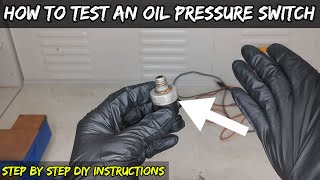
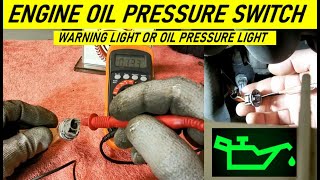
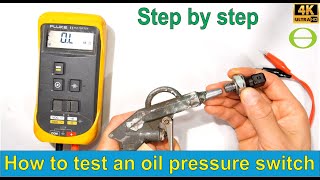
- Oil Light Never Turns On: This is the most dangerous symptom. If the light doesn't briefly illuminate when you first turn the key (before starting the engine), the bulb or the switch could be bad. 🎬 Watch: How to test the engine oil pressure switch and light. A failed switch won't be able to warn you if your oil pressure is actually low.
- Oil Leaks: The switch itself can develop leaks over time. You might see oil residue on the switch or drips from its location on the engine block.
Confirm Pressure with a Mechanical Gauge
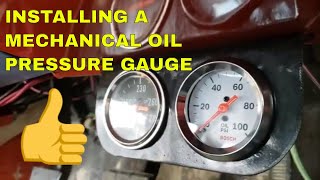
If your oil light comes on, never assume it's just a bad switch. Always stop the engine immediately and verify the oil level. Before replacing the switch, it is wise to temporarily connect a mechanical oil pressure gauge to confirm the engine has proper oil pressure. 🎬 See this guide on installing a mechanical oil pressure gauge. Running an engine with low oil pressure, even for a few minutes, can cause catastrophic damage.
Choosing the Right Aftermarket Part
For a vehicle of this vintage, new original equipment (OEM) parts from GM are no longer available. The market consists entirely of new aftermarket parts. Quality can vary, but for a simple switch like this, many brands offer reliable performance.
- Premium Aftermarket (e.g., Standard Ignition): Brands like Standard Motor Products (SMP) have a long-standing reputation for quality engineering and durability. They are often considered a top-tier choice for reliability and peace of mind, manufactured to strict standards.
- Standard Aftermarket (e.g., Rostra Powertrain): Rostra is well-regarded for its electronic components and sensors, often used in transmission and cruise control systems. Their switches are a solid, reliable choice for daily drivers.
- Economy Brands (e.g., Global Parts): Economy brands offer a cost-effective solution. While they may not have the same brand recognition as premium lines, a simple on/off switch is a part they can often produce reliably. For a budget-conscious repair, these can be a viable option.
Cost of a New Engine Oil Pressure Switch (1958-1962 Impala)
| Part Type | Expected Cost |
|---|---|
| New Aftermarket Switch | $10.75 - $18.96 |
| Shop Labor | $50 - $100 |
Installation Note
The oil pressure switch on classic Chevy V8 engines (like the 283 or 348) is typically located on the engine block, often behind the distributor or near the oil filter. Access can be tight. A special oil pressure switch socket can make removal and installation much easier. Some owners find that using a short brass pipe fitting as an extension can help the new switch clear the intake manifold.
Frequently Asked Questions
Is an oil pressure "sending unit" the same as a "switch"?
No. A switch is for a warning light (like in most 1958-62 Impalas). A sending unit is for an oil pressure gauge, which shows a variable pressure reading. They are not interchangeable.
Are there any recalls for this part?
No. There are no active NHTSA recalls for the engine oil pressure switch on the 1958-1962 Chevrolet Impala. Recalls for vehicles of this age are extremely rare.
Why is my oil light still on after replacing the switch?
If a new switch doesn't solve the problem, you may have a wiring issue (like a short to ground) or, more seriously, your engine may actually have low oil pressure. Stop the engine immediately and have it professionally diagnosed.
Can I replace this part myself?
Yes, this is a very DIY-friendly task for most home mechanics. It requires basic hand tools, though a specific oil pressure switch socket is recommended for easier access. The part simply unscrews from the engine block, and the new one screws in, followed by reattaching the single wire.
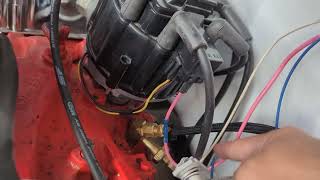
🎬 Watch: A walkthrough of the oil pressure switch installation.Helpful Videos
Technical Specifications
OEM Part Numbers: 3815935
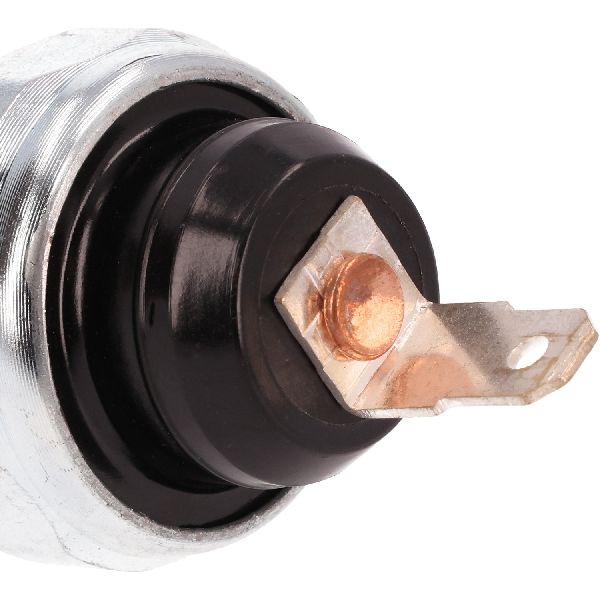
Thread Size: 1/4 in. x 18 NPT, Operating Pressure: 3-9 PSI, Connector: Single Male Terminal
We Have This Part in Stock


The information in this article is provided for general reference and educational purposes only. Vehicle specifications, procedures, and part compatibility can vary by production date, trim level, and region. Always consult your vehicle's factory service manual and verify part numbers before purchasing or performing repairs. Safety-critical components such as airbags, seat belts, and braking systems should be installed by a qualified professional.
- 🎬 Helpful Videos
- 🛍️ Shop This Part
- Understanding the Oil Pressure Switch in a Classic Impala
- Symptoms of a Bad Oil Pressure Switch
- Confirm Pressure with a Mechanical Gauge
- Choosing the Right Aftermarket Part
- Cost of a New Engine Oil Pressure Switch (1958-1962 Impala)
- Installation Note
- Frequently Asked Questions
- 🎟️ Get 5% Off