

Choosing the Right Spark Plug Wire Set for Your 1958-1962 Chevrolet Impala
Get the correct spark and performance for your classic Impala's V8 engine.
- Decide between restoration-style wires (ACDelco, reproduction Packard) for a stock look or performance wires (MSD, Taylor) for modified engines.
- Symptoms of failure include rough idle, engine misfires, and hesitation when accelerating.
- Replacement is an easy DIY job; replace wires one at a time to maintain the correct firing order.
- Properly routing and securing wires away from the hot exhaust manifold is critical to prevent melting and premature failure.
Signs of Failing Spark Plug Wires
Old spark plug wires can cause a variety of noticeable engine problems. As the insulation breaks down from age, heat, and exposure to chemicals, the electrical energy can weaken or arc to ground before reaching the spark plug. If you experience any of these symptoms, your wires may be due for replacement.
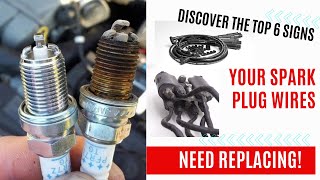
🎬 Watch: A visual guide to common bad spark plug wire symptoms.- Rough Idle: The engine may shake or vibrate more than usual when the car is stopped.
- Engine Misfires: You might feel a jerking or stumbling from the engine, as one or more cylinders fail to fire correctly.
- Hesitation on Acceleration: The car may feel sluggish or lose power when you press the gas pedal.
- Reduced Fuel Economy: Inefficient combustion from weak spark means the engine uses more fuel.
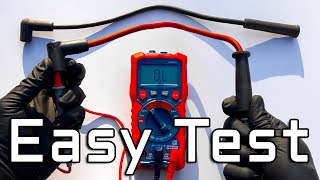
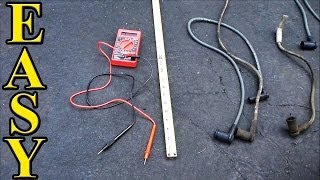
- Visible Damage: A visual inspection may reveal cracks, burns, or melting on the wire's outer jacket or boots. 🎬 Learn how to test your wires using these three simple methods.
Choosing the Right Aftermarket Wire Set
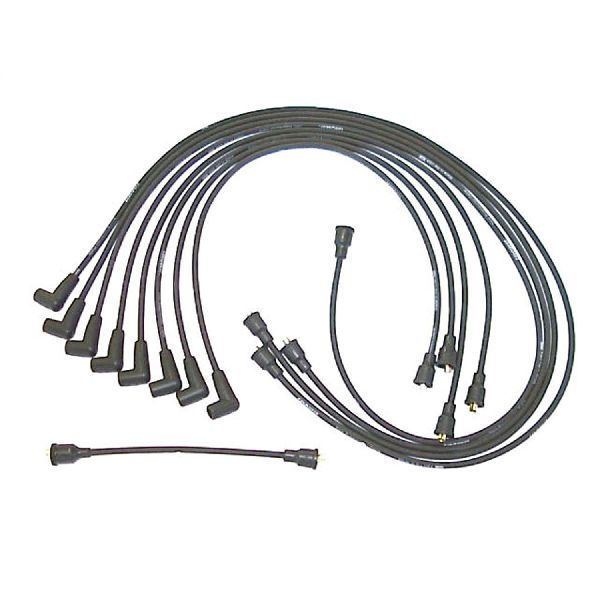
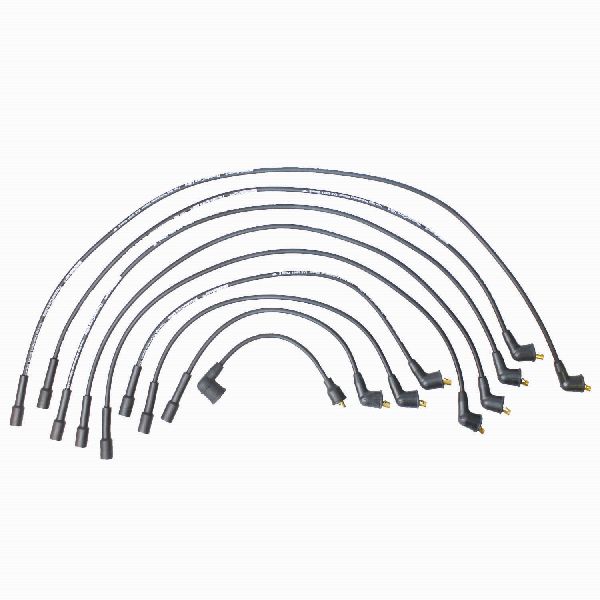
For a classic vehicle like the 1958-1962 Impala, "OEM" parts are no longer produced by GM. Your options are aftermarket sets that fall into a few categories, from period-correct reproductions to modern performance upgrades. The right choice depends on your goal, whether it's a factory-original restoration or improved performance.
Tier 1: Restoration & Stock-Style Replacements
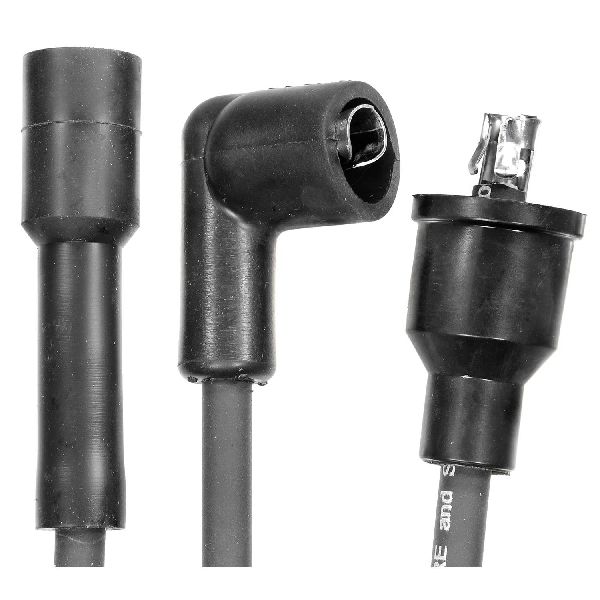
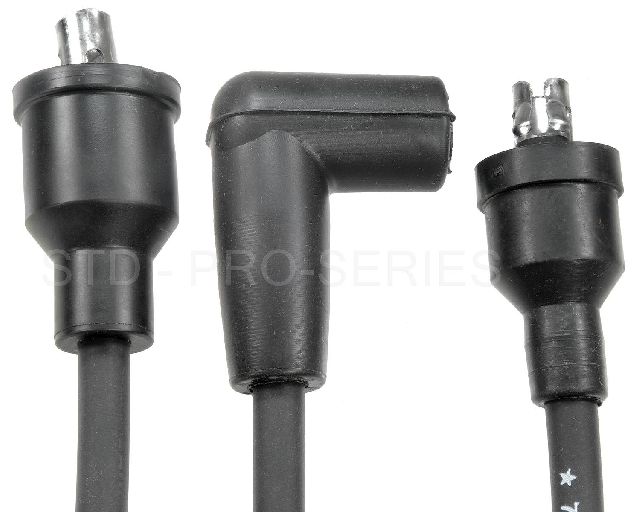
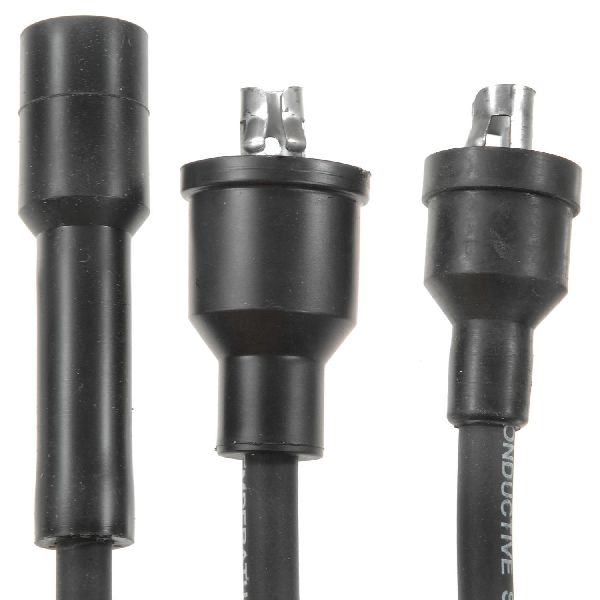
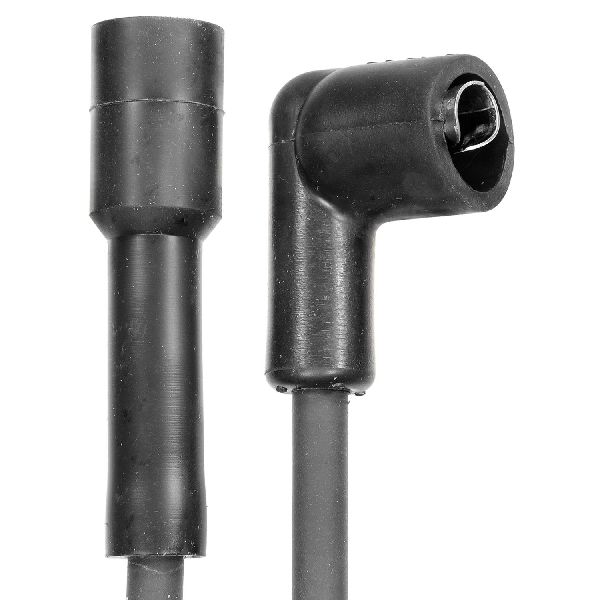
If you want your engine bay to look like it just rolled off the assembly line, these are your best bet. They are designed to match the original parts in appearance, including color and diameter (typically 7mm). Some sets even feature reproduction "Packard TV R Suppression" lettering like the originals.
- ACDelco: Widely considered the standard for OEM-style quality. They provide reliable performance for a stock engine and are a trusted name among classic Chevy owners.
- Standard Wires (SMP): A solid, reliable brand that offers quality replacement parts that meet or exceed original specifications.
- Restoration Brands: Companies specializing in classic parts often offer date-coded or period-correct wire sets, sometimes manufactured by Packard Wire Company, for a perfect show-car look.
Tier 2: Performance & High-Performance Upgrades
If you have a modified engine, run an upgraded ignition system, or simply want better durability and spark delivery, a performance set is a good choice. These wires typically feature thicker 8mm (or larger) silicone jackets for better heat resistance and a spiral core for lower electrical resistance.
- MSD: A top name in performance ignitions. Their Street Fire and 8.5mm Super Conductor wires are popular upgrades that offer low resistance for a hotter spark. They are often recommended for engines with headers.
- Taylor Cable: Known for their Spiro-Pro and 409 Race-Fit wires, which offer excellent heat protection and are available in various colors.
- Accel, FAST, Granatelli: These brands also offer quality performance wire sets with features like high-temperature silicone boots and low-resistance conductors designed for modified engines.
| Part Type | Price Range | Notes |
|---|---|---|
| Restoration-Style Aftermarket | $40 - $90 | Period-correct appearance, often with original-style lettering. |
| Standard Aftermarket | $24 - $60 | Good quality for daily drivers (e.g., Standard, Denso). |
| Performance Aftermarket | $60 - $253 | Thicker silicone wires for modified engines (e.g., MSD, Taylor). |
Frequently Asked Questions
What's the difference between 7mm and 8mm wires?
The measurement refers to the wire's diameter. Original wires were typically 7mm. Performance wires are often 8mm, 8.5mm, or even larger. The extra thickness comes from a heavier silicone jacket that provides better insulation and protection against high engine bay temperatures, especially with aftermarket headers.
Do I need performance wires for my stock engine?
No, a stock or mildly modified engine will run perfectly well with a quality set of standard or restoration-style wires like ACDelco. Performance wires are most beneficial for engines with high-output ignition systems, high compression, or headers that generate excess heat.
What is the difference between carbon core and spiral core wires?
Carbon core is the traditional style, offering good radio frequency interference (RFI) suppression to prevent static in your radio. Spiral core is a newer technology used in performance wires. It consists of a conductor (like copper) wrapped around a core, offering much lower resistance for a stronger spark while still providing RFI suppression.
Can I use a "universal" cut-to-fit wire set?
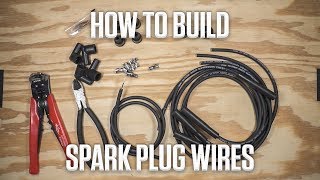
You can, but it requires more work. Universal sets require you to cut each wire to the perfect length and crimp the distributor cap terminals yourself. While this allows for custom routing, a direct-fit set made for your Impala's engine (e.g., 283, 348) is much easier to install and guarantees correct lengths out of the box.
🎬 See how to properly cut and crimp a custom wire set.Helpful Videos
Technical Specifications
Distributor Type: Conventional (Female/Socket Style Cap) Stock Wire Diameter: ~7mm Performance Wire Diameter: 8mm, 8.5mm, 10.4mm Stock Core Type: Carbon Performance Core Type: Spiral Wound
We Have This Part in Stock

The information in this article is provided for general reference and educational purposes only. Vehicle specifications, procedures, and part compatibility can vary by production date, trim level, and region. Always consult your vehicle's factory service manual and verify part numbers before purchasing or performing repairs. Safety-critical components such as airbags, seat belts, and braking systems should be installed by a qualified professional.