

A Guide to Spark Plug Wire Sets for the 1958-1963 Chrysler Imperial
Keep your classic Imperial's V8 running smoothly with the right set of spark plug wires.
- Always replace spark plug wires one at a time to avoid mixing up the engine's firing order.
- For most owners, a quality 8mm spiral core wire set from a brand like Accel or Taylor offers the best blend of durability and performance.
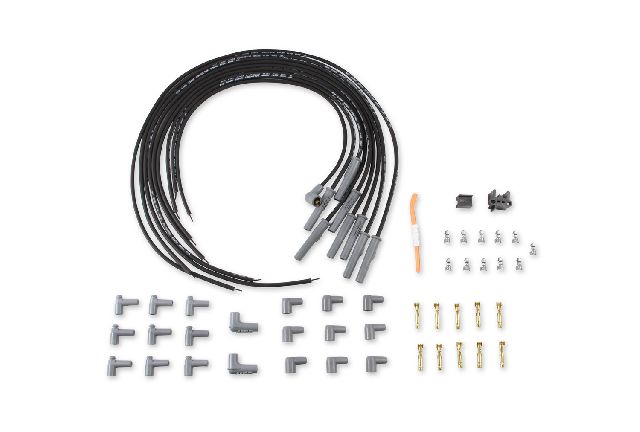
- A 'cut-to-fit' wire set allows for a cleaner, custom installation but requires a special crimping tool.
- There are no relevant recalls or Technical Service Bulletins (TSBs) for this part on your vehicle.
Symptoms of Failing Spark Plug Wires
Spark plug wires don't last forever. The constant heat from the engine and exposure to oil can cause the insulation to become brittle, crack, or melt. When this happens, you'll start to notice problems with how your Imperial runs. Here are the most common signs of bad spark plug wires:
- Rough Idle: The engine may shake, vibrate, or run unevenly when the car is stopped. This happens because one or more cylinders may not be firing correctly.
- Engine Misfires: You might feel a hesitation, stumble, or jerking sensation during acceleration. This is caused by an interruption in the electrical current reaching the spark plugs.
- Reduced Power and Acceleration: Your car may feel sluggish and less responsive than usual.
- Visible Damage: A visual inspection may reveal cracks, melting, or burn marks on the wire insulation or boots. In the dark, you might even see a faint blue glow or sparks arcing from the wires to the engine when it's running.
- Radio Interference: Old, unsuppressed wires can create static or a buzzing noise in your AM/FM radio that changes with engine speed. Modern wires are designed to prevent this.
A Note on Original Equipment (OEM) Wires
Finding New Old Stock (NOS) Chrysler wires from the 1958-1963 era is nearly impossible. The original wires were often supplied by Packard Electric and had specific date codes for show cars. For a car that is driven, modern aftermarket wires are a more reliable and readily available choice. They offer better heat resistance and electrical suppression than the 60-year-old originals.
Choosing the Right Aftermarket Wires
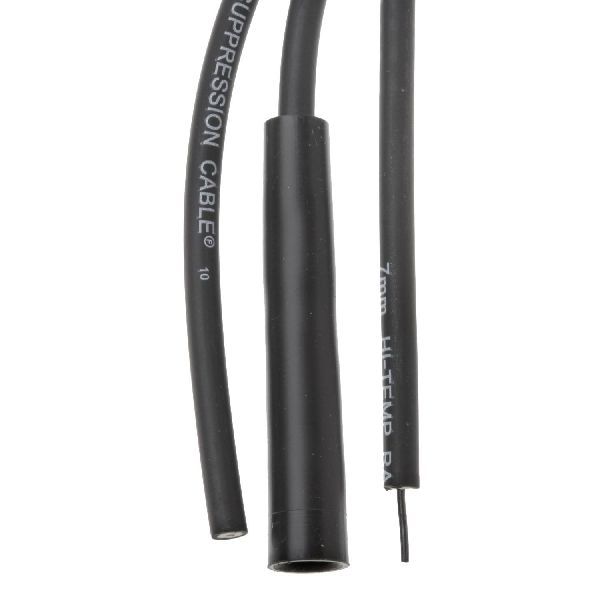
When shopping for new wires, you'll see different brands and types. For your Imperial, the choice comes down to balancing a period-correct look with modern performance and durability. Wires are often categorized by their diameter (like 7mm or 8mm) and the type of core they use.
| Brand Tier | Common Brands | Characteristics | Best For |
|---|---|---|---|
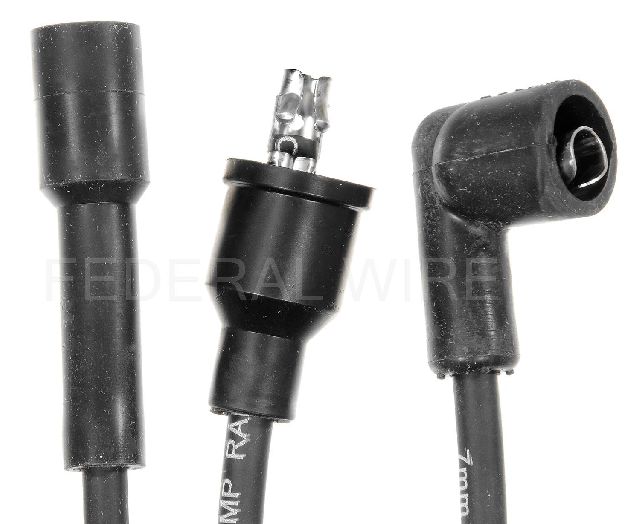
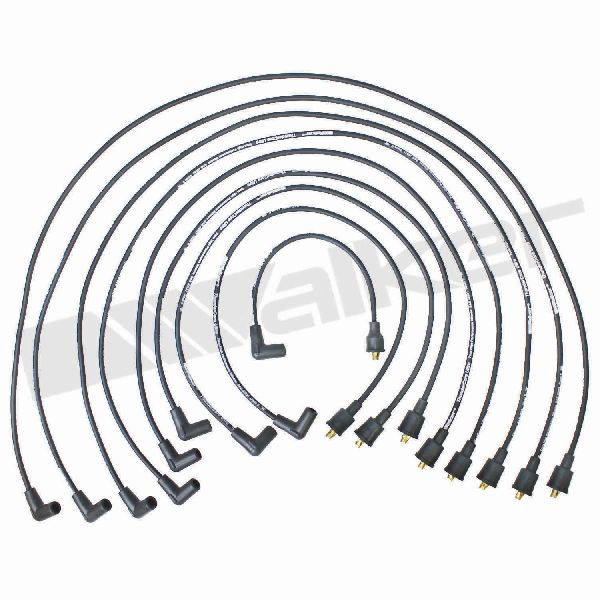
| OEM-Style Replacement | Standard Motor Products, Walker Products | These are typically 7mm wires designed to be a direct, no-frills replacement for the original style. They provide reliable performance for a stock engine. | Owners seeking a functional, budget-friendly solution for a daily or occasional driver. |
| Street Performance | Accel, Taylor Cable | Often feature a larger 8mm or 8.5mm diameter for better insulation and a spiral-wound core for lower resistance and improved spark energy. They come in various colors like red, blue, or yellow. | The majority of owners who want a durable, long-lasting wire that offers a slight performance and aesthetic upgrade. |
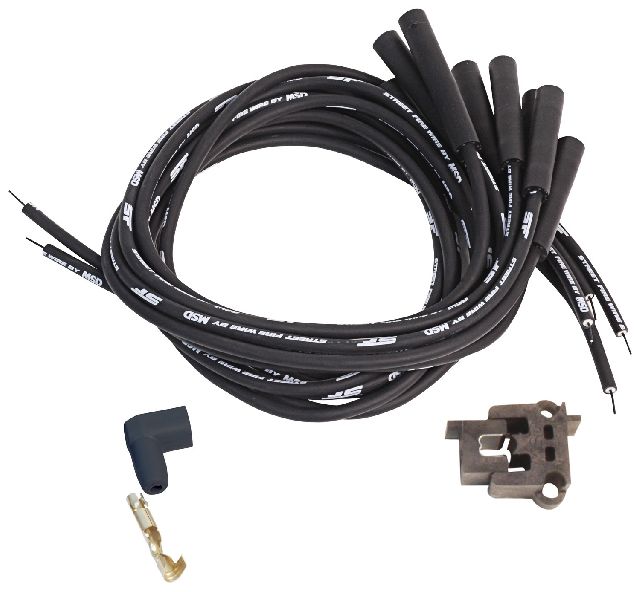
| High Performance / Heat Resistance | MSD, Accel (Ceramic Boot) | MSD wires are known for very low resistance, maximizing spark energy for modified engines. Accel offers sets with ceramic boots that can withstand extreme heat (up to 2,000°F), which is ideal if the wires are very close to exhaust manifolds. | Cars with performance engine modifications or those with tight clearances that cause issues with melting standard wire boots. |
Pro Tip: Many owners of classic Mopar vehicles prefer to buy a "universal" or "cut-to-fit" wire set. This allows you to create custom-length wires for a perfect, clean-looking installation. This requires a special crimping tool but results in a professional fit.
Frequently Asked Questions (FAQ)
What's the difference between 7mm and 8mm wires?
The main difference is the thickness of the outer insulation. A thicker 8mm or 8.5mm wire provides more insulation, which helps prevent voltage leaks (arcing) and can offer better protection against heat and abrasion. The inner conductor core is the same size regardless of the outer diameter.
Do I need special tools to replace my spark plug wires?
For a pre-cut, direct-fit set, you typically don't need special tools, though a spark plug wire puller can make it easier to remove the old boots without damaging them. If you choose a universal cut-to-fit set, you will need a wire stripping and crimping tool designed for spark plug wires to attach the terminals. Applying a small amount of dielectric grease inside the boots will make installation and future removal much easier.
Should I replace the wires one at a time?
Yes, absolutely. This is the most important rule. Replace only one wire at a time to ensure you don't mix up the firing order. Mixing up the wires will cause the engine to run poorly, backfire, or not start at all. The firing order for most Chrysler V8s of this era, including the 413, is 1-8-4-3-6-5-7-2.
Are expensive performance wires worth it for my stock Imperial?
For a stock engine in good condition, a quality OEM-style or Street Performance wire set is perfectly adequate. High-end racing wires from brands like MSD offer minimal benefit on a stock points-style ignition system. A good quality 8mm spiral core wire from a brand like Taylor or Accel is a popular and effective choice for classic Mopar owners.
Technical Specifications
Engine Firing Order: 1-8-4-3-6-5-7-2. Distributor Rotation: Clockwise. Cylinder Numbering (Driver Side): Front-to-back 1-3-5-7. Cylinder Numbering (Passenger Side): Front-to-back 2-4-6-8.
We Have This Part in Stock

The information in this article is provided for general reference and educational purposes only. Vehicle specifications, procedures, and part compatibility can vary by production date, trim level, and region. Always consult your vehicle's factory service manual and verify part numbers before purchasing or performing repairs. Safety-critical components such as airbags, seat belts, and braking systems should be installed by a qualified professional.