

Chevrolet Impala Automatic Transmission Mount Guide: 1958-1964
Stop the clunking and shaking by choosing the right replacement transmission mount for your classic Impala.
- Listen for clunks when shifting and feel for new vibrations, as these are the top signs of a failed mount.
- Choose between a standard rubber mount for a stock feel or a more durable polyurethane mount for a performance upgrade.
- While budget-friendly, brands like Anchor and Westar may not last as long as the original GM part or a polyurethane alternative.
- If replacing the mount yourself, be sure to use the lower mounting holes on the frame to ensure proper clearance.
Is Your Impala's Transmission Mount Failing?
The transmission mount is a simple part made of rubber and steel that does a big job. Over decades, the original rubber breaks down from age, heat, and fluid exposure. When it fails, you'll start to notice some distinct sounds and feelings while driving. Ignoring a bad mount can lead to more stress on other driveline parts, like U-joints and even the transmission case itself.
Symptoms of a Worn-Out Transmission Mount
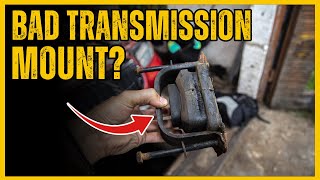
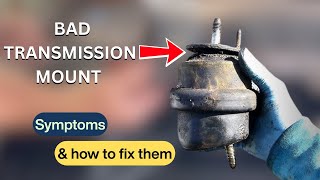
🎬 Watch: 7 common signs of a failing transmission mount.- Clunking or Banging Noises: The most common sign is a loud clunk or thud when you shift from park into drive or reverse. You may also hear this noise during hard acceleration or when going over bumps as the transmission shifts and hits the frame.
- Excessive Vibration: A worn mount can no longer absorb drivetrain vibrations. You might feel a new or stronger vibration through the floor of the car or the seats, especially when idling in gear or accelerating.
- Rough Shifting: A bad mount can allow the transmission to sag or move out of alignment, which can make shifting gears feel jerky or harsh.
Known Issues & Recalls
Searches of the National Highway Traffic Safety Administration (NHTSA) database and other records show no recalls or Technical Service Bulletins (TSBs) for the transmission mount on 1958-1964 Chevrolet Impala models. Any failure is typically due to the age and wear of the original rubber part.
Choosing the Right Aftermarket Mount
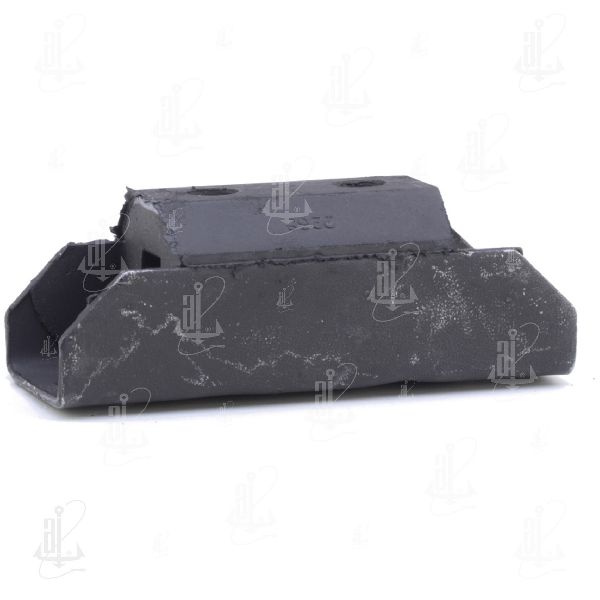
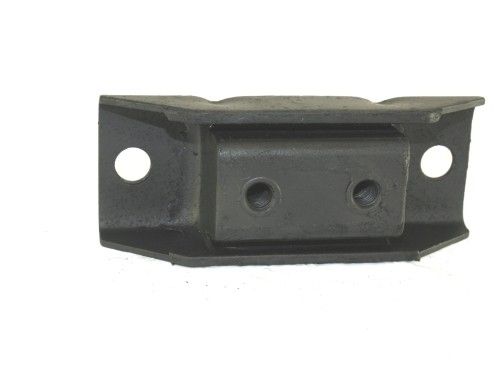
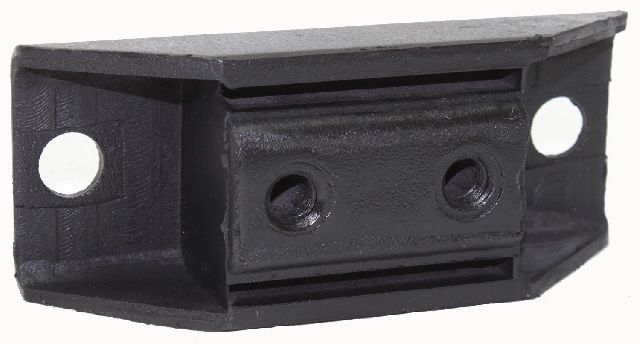
New Old Stock (NOS) GM parts are extremely rare and expensive. For most owners, a new aftermarket mount is the practical choice. You have two main types: standard rubber replacements and polyurethane upgrades.
| Brand Tier | Brands | Material | Best For |
|---|---|---|---|
| Standard Replacement | Anchor, Westar, DEA, Pioneer | Rubber | Owners seeking an affordable, factory-like ride. Quality can be inconsistent between brands, with some forum users noting they don't last as long as originals. |
| Performance Upgrade | Prothane | Polyurethane | Owners wanting maximum durability and better throttle response. Polyurethane is resistant to oil and chemicals but may transfer slightly more vibration to the cabin. |
Installation Tip for 1958-1964 Impalas
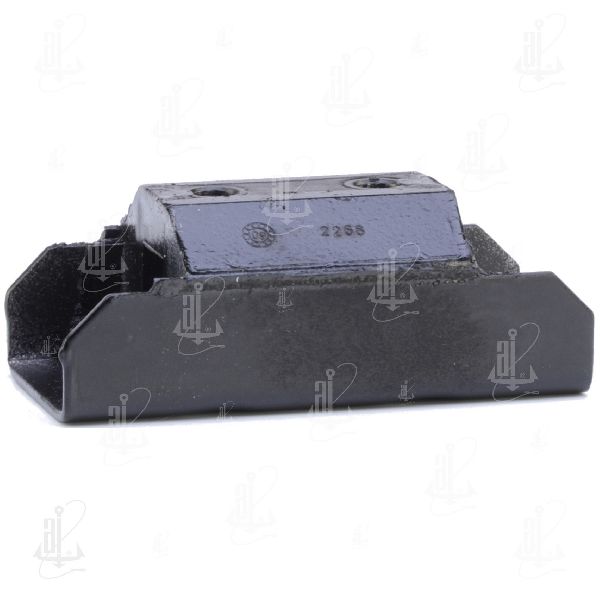
When installing the transmission crossmember, use the lower set of mounting holes on the frame. Using the upper holes can cause the transmission to hit the floor pan. Also, ensure the tapered mount is oriented correctly, with the thick side toward the front of the car.
Aftermarket Transmission Mount Cost
The cost for a new aftermarket transmission mount is very reasonable. The main cost of a professional repair will be labor.
🎬 See a breakdown of symptoms and typical replacement costs.| Part Type | Estimated Cost |
|---|---|
| New Aftermarket Mount | $11.55 - $34.29 |
| Shop Labor | $100 - $250 |
Frequently Asked Questions
Is a polyurethane mount better than a rubber one?
It depends on your goals. Polyurethane (like Prothane) is much more durable and controls torque better, making it a great upgrade for performance. However, it is stiffer and may cause a slight increase in cabin vibration. Standard rubber mounts (like Anchor or Westar) provide a ride closer to the original feel but may not last as long.
Can I replace the transmission mount myself?
Yes, this is a job an experienced DIY mechanic can handle. You will need a good set of tools, jack stands to safely secure the vehicle, and a floor jack to support the transmission while you unbolt the crossmember and swap the mount. The entire process typically takes 1-2 hours.
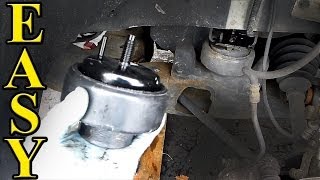
🎬 Watch this step-by-step guide to replacing your transmission mount.Are Anchor and Westar mounts good quality?
Owner experiences are mixed. Some mechanics have used them for years without problems, considering them a decent budget option. Others report that they are made with lower quality materials than original parts and can fail more quickly, especially on cars that are driven hard.
Will a bad transmission mount cause my transmission to fail?
It's unlikely to cause an immediate, catastrophic transmission failure. However, driving with a broken mount for a long time puts extra stress on the driveshaft, U-joints, and transmission output shaft seals, which can lead to leaks and damage to those parts. It's best to replace it as soon as you notice symptoms.
Helpful Videos

Technical Specifications
OEM Part Numbers: 3781954
The mount for the 1958-1964 Impala with an automatic transmission (like the Powerglide) is a single mount that connects the transmission extension housing to a removable frame crossmember.
We Have This Part in Stock


The information in this article is provided for general reference and educational purposes only. Vehicle specifications, procedures, and part compatibility can vary by production date, trim level, and region. Always consult your vehicle's factory service manual and verify part numbers before purchasing or performing repairs. Safety-critical components such as airbags, seat belts, and braking systems should be installed by a qualified professional.