

A Guide to Replacing the Speedometer Cable on a 1958-1964 Chevrolet Impala
Fix your bouncing, noisy, or dead speedometer needle for good with the right replacement cable.
- A bouncing needle, noise from the dash, or a dead speedometer are the classic signs of a failed cable.
- Measure your old cable's length and check the screw-on ends before ordering a new part to avoid common mistakes.
- Standard replacement cables from brands like Pioneer or ATP are cost-effective for stock cars, while premium cut-to-fit cables from Lokar are best for custom builds.
- Always lubricate the new inner cable with a proper cable lube (PTFE or graphite-based) before installation for long life.
Is Your Impala's Speedometer Acting Up?
A faulty speedometer on a classic car is a common issue. For the 1958-1964 Chevrolet Impala, the problem is almost always the mechanical speedometer cable. Over decades of use, the inner cable can fray, get kinked, or the factory lubrication can dry up. This causes common symptoms like a bouncing needle, strange noises, or a complete failure of the speedometer.
Common Symptoms of a Bad Speedometer Cable
- Bouncing or Wavering Needle: The needle jumps around instead of moving smoothly. This is the most frequent sign 🎬 Watch: See how to fix a bouncing speedometer needle of a cable that is binding and releasing.
- Squealing or Ticking Noise: A high-pitched squeal or clicking sound from behind the dashboard that changes with speed. This is caused by the dry inner cable spinning inside the housing.
- Inaccurate Speed Reading: The speedometer shows a speed that is obviously too high or too low.
- No Speed Reading: The needle stays at 0 MPH. This usually means the inner cable has snapped.
Choosing the Right Aftermarket Speedometer Cable
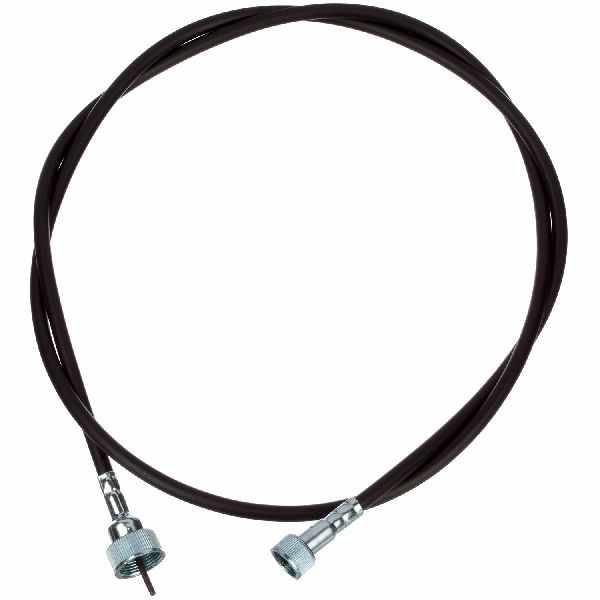
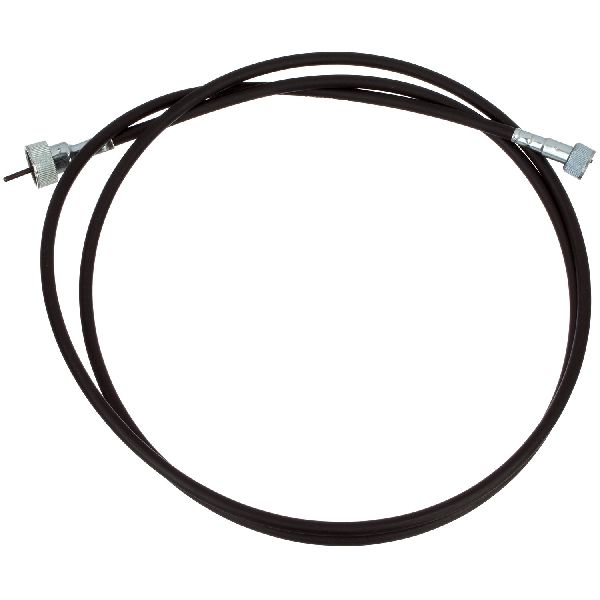
New Original Equipment (OEM) speedometer cables for these classic Impalas have not been made in decades. The aftermarket is your only source for a new part, and the quality can vary. The main choice is between a standard, direct-fit replacement and a premium, cut-to-fit cable.
| Brand Tier | Brands | Description | Best For |
|---|---|---|---|
| Standard Replacement | Pioneer Cable, ATP | These cables are designed to be direct, factory-style replacements. They typically come in a specific length with a black vinyl housing. They offer a great value for a stock vehicle. Some reviews note that brands like ATP may require adding extra lubricant before installation for the best performance. | Stock restorations, daily drivers, and budget-conscious repairs. |
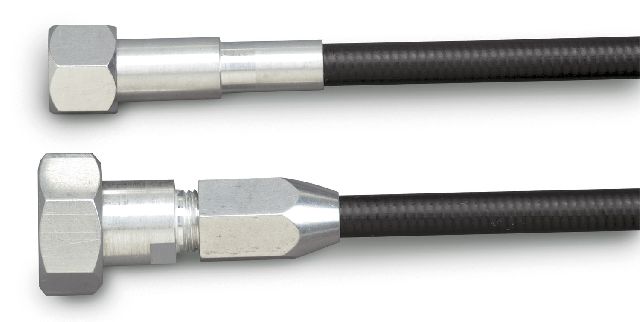
| Premium / Custom | Lokar | Lokar is known for high-end, customizable parts. Their cables often feature a braided stainless steel housing and billet aluminum fittings. They are a "cut-to-fit" design, which allows for custom routing, making them ideal for modified cars with engine or transmission swaps. | Modified cars, hot rods, show cars, and high-end restorations. |
Measure Before You Order!
The most common mistake is ordering the wrong length cable. Direct-fit cables come in various lengths like 61-inch, 63-inch, and 70-inch. Before you buy, disconnect your old cable and measure the length of the outer housing from tip to tip. This will ensure you get a part that fits without sharp bends or kinks, which can cause it to fail prematurely.
Installation Overview
Replacing the speedometer cable is a manageable DIY job. The process involves unscrewing the cable from the transmission and the back of the speedometer. The transmission side is easy to access, but the connection behind the dashboard can be tight. Many owners find it easiest to access by removing the driver's seat and lying on the floor to reach up under the dash. In some cases, you may need to loosen the instrument cluster for better access. Once the old cable is out, route the new one carefully to avoid sharp bends and connect both ends. It's highly recommended to lubricate the new inner cable with a specific speedometer cable lubricant (PTFE or graphite-based) before sliding it into its housing.
🎬 See this quick guide on removing and replacing the cableFrequently Asked Questions (FAQ)
Can I just lubricate my old cable instead of replacing it?
You can try, but it's often a temporary fix. If the needle bounce or noise is caused only by dry lubricant, adding fresh cable lube might solve it for a while. However, if the cable is frayed, kinked, or the housing is damaged, the problem will return. Replacement is the only permanent solution.
What kind of lubricant should I use on the new cable?
Use a lubricant specifically designed for speedometer cables, which is often graphite-based or a modern PTFE synthetic grease. Avoid using thick, heavy grease like wheel bearing grease, as it can gum up and make the problem worse. Do not use thin oils like WD-40, as they do not provide lasting lubrication.
Are there any recalls on the 1958-1964 Impala speedometer cable?
No. There are no recalls or Technical Service Bulletins (TSBs) from Chevrolet or the NHTSA for the speedometer cable on these vehicles. Any failure is due to the age and normal wear of the part.
How do I know what thread size my cable ends are?
For most 1958-1964 GM cars, the standard thread sizes are a 5/8"-18 fitting at the speedometer and a 7/8"-18 fitting at the transmission. It's always a good idea to visually confirm your connections before ordering, especially on a car that is over 60 years old and may have had parts swapped.
Helpful Videos
Technical Specifications
OEM Part Numbers: 1567799 1547710 1382856 1257335
Connection Type: Screw-on at both ends. Speedometer Thread: Typically 5/8"-18. Transmission Thread: Typically 7/8"-18. Length: Varies, common lengths are 61", 63", 70", 83". Measurement of original cable is required for direct-fit replacements.
We Have This Part in Stock


The information in this article is provided for general reference and educational purposes only. Vehicle specifications, procedures, and part compatibility can vary by production date, trim level, and region. Always consult your vehicle's factory service manual and verify part numbers before purchasing or performing repairs. Safety-critical components such as airbags, seat belts, and braking systems should be installed by a qualified professional.