

Chevrolet Impala Engine Mount Guide: 1958-1965
Keep your classic Impala's engine secure and the ride smooth by understanding when and how to replace your motor mounts.
- Check for excessive engine movement and clunking noises, which are serious signs of failure.
- Choose between standard rubber for a smooth, original ride or polyurethane for durability and performance, especially with a modified engine.
- Always replace mounts in pairs to ensure proper engine alignment and prevent premature wear on the new part.
- While a DIY replacement is feasible, it requires safely lifting and supporting the engine.
Symptoms of a Failing Engine Mount
A bad engine mount on a classic car like the Impala can be obvious if you know what to look and listen for. Because these cars were built with simpler designs, the signs of failure are often very direct.
Watch for Engine Movement
The most dramatic sign of a failed mount is the engine physically moving. With the hood open and the parking brake set, have a helper briefly put the car in gear. If you see the engine lift or lurch significantly, a mount has likely failed. 🎬 Watch this demonstration of how to identify failing motor mounts. This is a serious issue that needs immediate attention.
- Excessive Vibration: One of the first things you'll notice is more shaking inside the car, especially at idle. If your steering wheel or seats are vibrating more than usual, the rubber in the mounts is probably no longer absorbing the engine's vibrations.
- Clunking or Banging Noises: Loud clunks, especially when you accelerate, decelerate, or put the car in gear, are a common symptom. This noise is the sound of the engine moving too much and hitting other parts in the engine bay.
- Visual Wear: You can often see if a mount is bad just by looking at it. Check for deep cracks in the rubber, or see if the rubber has separated from the metal plates. Oil leaks can also soften and destroy the rubber.
Choosing the Right Aftermarket Mount
For a 1958-1965 Impala, you won't find new OEM (Original Equipment Manufacturer) mounts from Chevrolet. All available new parts are from aftermarket companies. The main choice you'll make is between standard rubber mounts and performance-oriented polyurethane mounts.
Material Types: Rubber vs. Polyurethane
| Material | Pros | Cons |
|---|---|---|
| Standard Rubber (Good) | - Best at absorbing vibration for a smooth, quiet ride. - Lower cost. - Correct for a factory-style restoration. |
- Wears out faster, especially with a high-horsepower engine. - Can be damaged by oil and heat. |
| Polyurethane (Better/Performance) | - Much more durable and long-lasting. - Resistant to oil and chemicals. - Holds the engine more securely for better throttle response. |
- Transmits more engine vibration into the car. - Higher upfront cost. - May cause squeaking if not greased. |
Which Should You Choose?
If you want your Impala to feel like it did from the factory, stick with high-quality rubber mounts. For modified cars with more horsepower, or if you want a more connected feel and don't mind a bit more vibration, 🎬 Learn more about choosing the right mount for your project. polyurethane mounts from a brand like Energy Suspension are a great upgrade.
Available Brands & Quality
Several brands offer engine mounts for this generation of Impala. Quality can vary, so it's important to choose wisely.
- Economy Tier (Anchor, DEA, Westar): These brands provide affordable, standard rubber replacements. They are functional for a stock daily driver but may not have the longevity of other options. Some users report that quality can be inconsistent.
- Performance Tier (Energy Suspension, Lakewood, Quick Time): These brands specialize in polyurethane or heavy-duty mounts. Energy Suspension is well-regarded for its polyurethane kits that improve performance but increase vibration. Lakewood and Quick Time offer heavy-duty, sometimes solid, mounts for racing applications.
Known Issues & Recalls
While there are no active recalls for the 1958-1964 models, Chevrolet did issue a massive recall in 1971 for 1965-1969 V8 models due to engine mount failure. The original mounts could separate, allowing the engine to lift under torque, which could jam the throttle open. The fix was often a simple cable or strap to restrain the engine. Modern replacement mounts, even standard rubber ones, are typically made with an interlocking design that prevents this type of complete separation.
Frequently Asked Questions (FAQ)
How many engine mounts does my 1958-1965 Impala have?
Most V8 Impalas of this era use a two-mount system at the front of the engine, with the rear of the engine being supported by the transmission mount attached to the crossmember. You should inspect all of them at the same time.
Can I replace just one bad engine mount?
It's highly recommended to replace engine mounts in pairs. If one has failed, the others have been subjected to the same age and stress and are likely not far behind. Replacing them all at once ensures proper engine alignment and performance.
Is replacing engine mounts a DIY job?
Yes, for someone with mechanical experience, this is a manageable DIY project. It requires safely supporting the engine with a jack and a block of wood while you unbolt and replace the mounts. Always use jack stands for safety. If you are not comfortable supporting the engine, it's best to leave this job to a professional.
🎬 See a step-by-step guide on how to replace motor mounts.Will polyurethane mounts make my classic car too harsh to drive?
It's a matter of personal preference. Polyurethane does transmit more vibration than soft rubber. For a weekend cruiser, the increased vibration might be noticeable and undesirable. For a performance-oriented car, the trade-off for better engine control is often worth it.
Helpful Videos
Technical Specifications
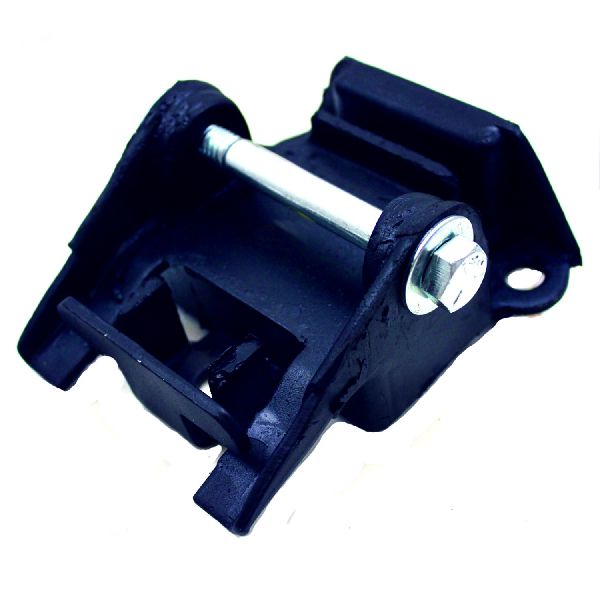
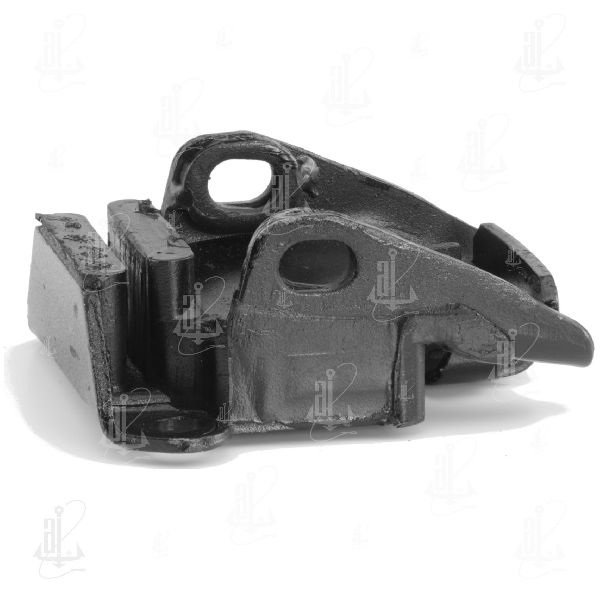
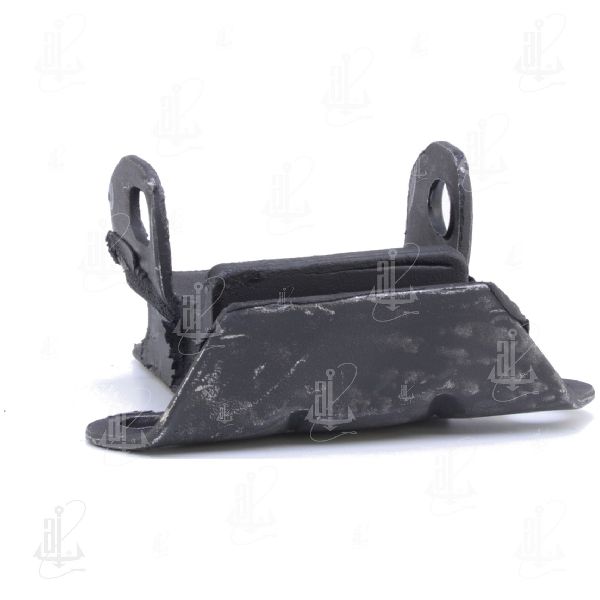
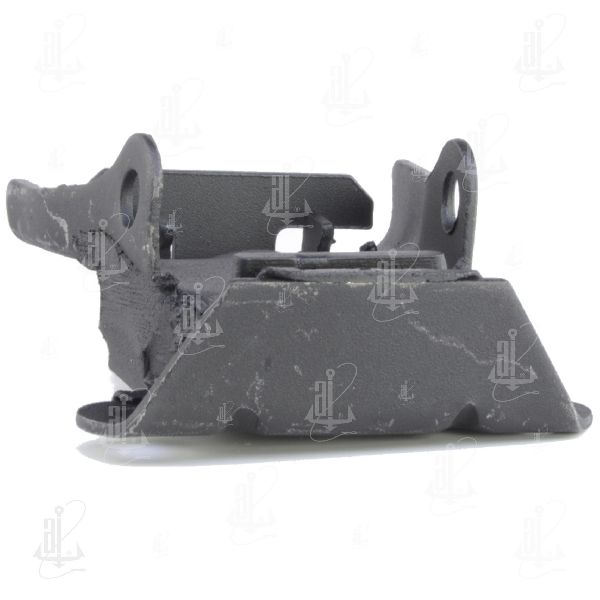
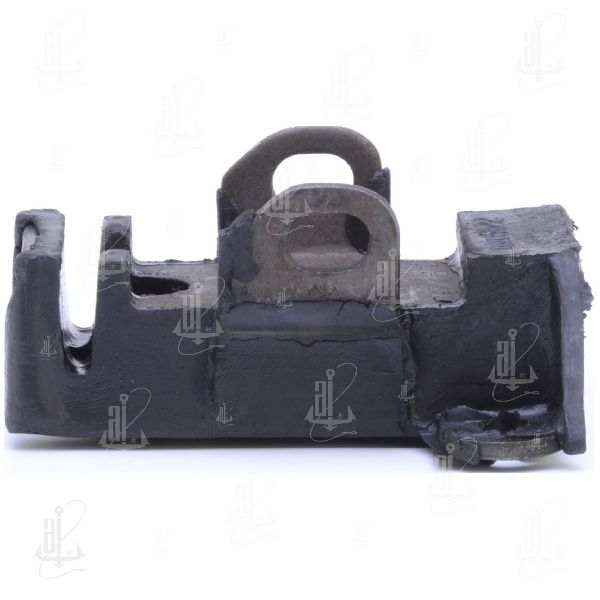
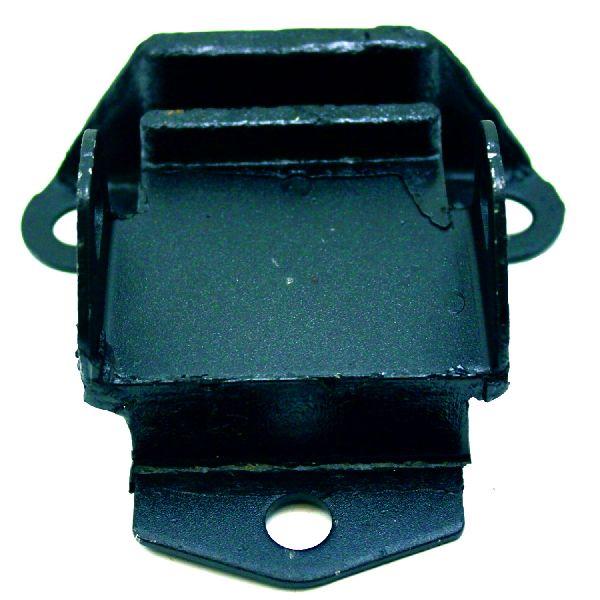
The primary design for these years is a two-bolt mount that attaches to the engine block and a three-bolt pattern that attaches to the frame brackets. The key difference in aftermarket parts is the material: standard vulcanized rubber or performance polyurethane.
We Have This Part in Stock

The information in this article is provided for general reference and educational purposes only. Vehicle specifications, procedures, and part compatibility can vary by production date, trim level, and region. Always consult your vehicle's factory service manual and verify part numbers before purchasing or performing repairs. Safety-critical components such as airbags, seat belts, and braking systems should be installed by a qualified professional.