

A Guide to Upgrading Your 1958-1966 Chevrolet Impala Distributor
Understanding your options for replacing the distributor in your classic Impala for improved reliability and performance.
- Upgrading from original 'points' to a new electronic distributor is the most significant reliability improvement you can make.
- For most street-driven Impalas, a complete electronic distributor from a brand like Pertronix or Accel offers the best balance of cost and performance.
- High-performance brands like MSD are excellent for modified engines but are often unnecessary for stock or mildly upgraded cars.
- Proper installation and setting the ignition timing are critical for engine performance after replacing the distributor.
Time for a New Distributor?
If you're keeping a classic 1958-1966 Impala on the road, the ignition system is key to a good driving experience. The distributor, in particular, can be a source of common problems, especially the original points-style units. A worn or failing distributor can leave you stranded, but upgrading to a new aftermarket unit can be one of the best reliability improvements you can make.
Symptoms of a Failing Distributor
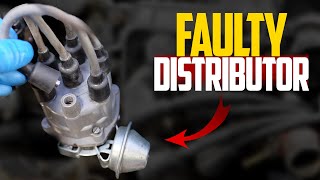
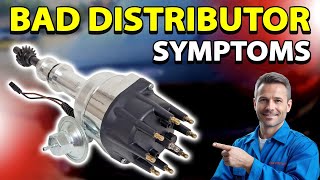
A bad distributor can make your Impala run poorly or not at all. Watch for these signs:
- Engine Misfires: The engine may jerk, shake, or run rough because spark isn't being delivered consistently.
- Hard Starting or No-Start: A faulty distributor can prevent the engine from firing up, or make it crank for a long time before it starts.
- Backfiring: If the spark timing is wrong, unburnt fuel can ignite in the exhaust, causing a loud pop or bang.
- Shaking or Rough Idle: The car may vibrate noticeably when stopped, as the distributor struggles to send a steady spark to all cylinders.
- Poor Acceleration: Hesitation or stumbling when you press the gas pedal can be a sign that the ignition timing isn't advancing correctly.
Known Issues for 1958-1966 Impalas
There are no active recalls or Technical Service Bulletins (TSBs) from the NHTSA for distributors on these classic vehicles. The primary "known issue" is the nature of the original points-style ignition itself. The mechanical points and condenser are wear items that require regular adjustment and replacement to keep the engine running properly. This maintenance requirement is the main reason many owners choose to upgrade to an electronic system.
Choosing Your Aftermarket Distributor: Points vs. Electronic
When buying a new distributor, your biggest choice is between a traditional points-style unit and a modern electronic one. For most owners, an electronic upgrade is the best choice for reliability and performance.
Stock-Style (Points) Distributors
These are designed to look and function like the original Delco-Remy units. They are a good choice for a factory-correct restoration. However, they require regular maintenance, including adjusting the 'dwell' and replacing the points and condenser as they wear out.
Electronic Conversion & Full Electronic Distributors
This is the most popular upgrade. You have two options:
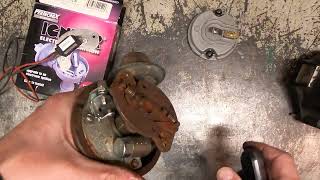
- Conversion Kits (e.g., Pertronix Ignitor): These kits replace the points and condenser inside your stock distributor with a magnetic or optical sensor. This keeps the original look while eliminating maintenance. 🎬 See this walkthrough on how to install Pertronix electronic ignition
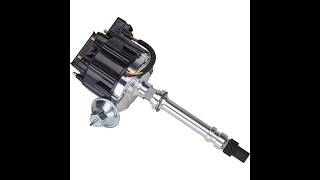
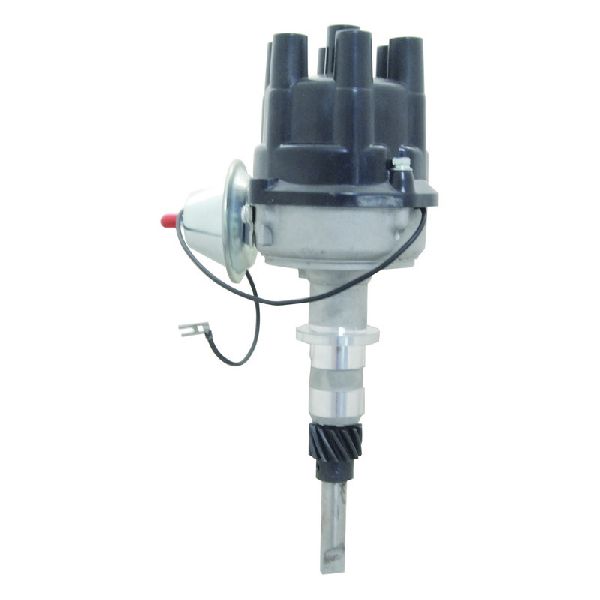
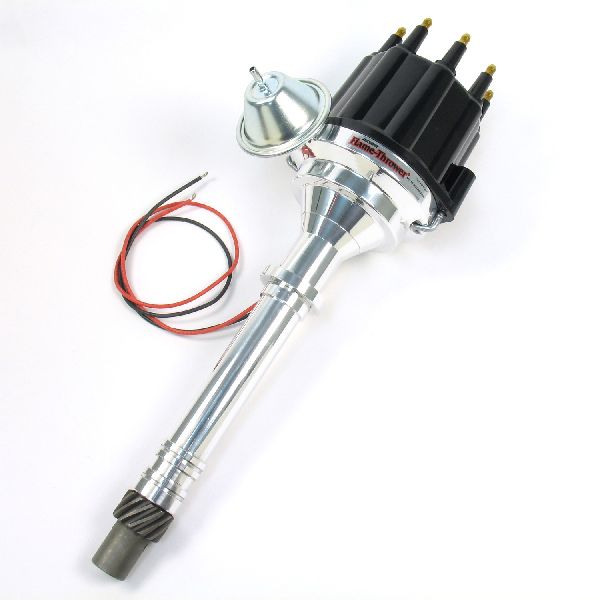
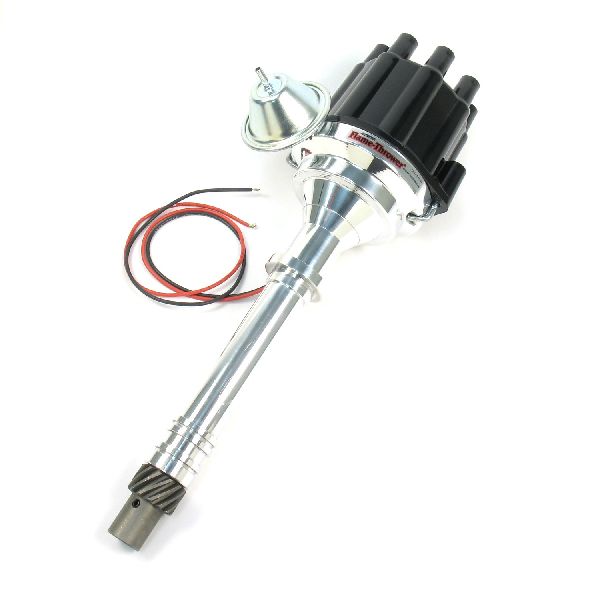
- Complete Electronic Distributors: This is a full replacement unit with electronics already built-in. They offer a hotter, more consistent spark, which improves starting, idle quality, and overall performance. They never need adjustments.
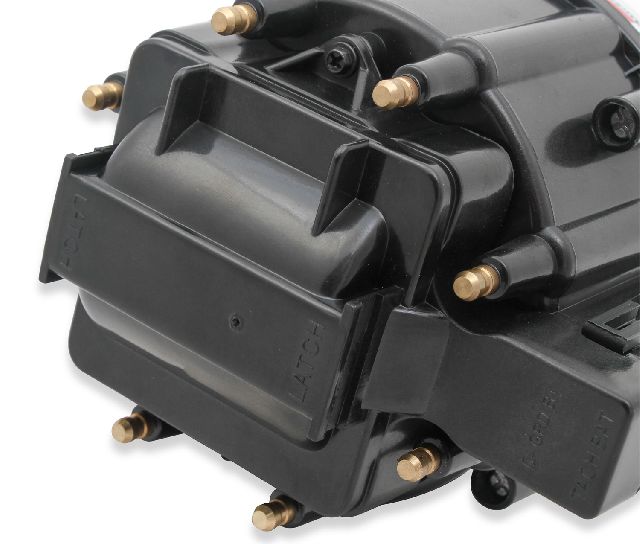
Pro Tip: Many enthusiasts prefer complete electronic distributors from brands like Pertronix, MSD, or Accel because they are simple to install and offer a significant reliability boost over original points systems. While some high-end MSD systems can be overkill for a stock engine, their billet distributors are popular for performance builds.
Aftermarket Brand Tiers
Several brands offer quality distributors for your Impala's V8 engine (like the 283, 327, 348, or 409).
- Performance Tier (MSD, FAST, Edelbrock): These brands are for high-performance and modified engines. They offer features like rev limiters and adjustable timing curves, built from high-quality materials like CNC-machined billet aluminum. They are often considered overkill for a stock daily driver.
- Popular Upgrade Tier (Pertronix, Accel): This is the sweet spot for most classic Impala owners. Pertronix is extremely popular for its reliable electronic distributors that maintain a stock-like appearance. Accel also offers dependable electronic units that are a significant upgrade over points.
- Standard Replacement Tier (Cardone, WAI Global): These brands offer affordable, brand-new replacement distributors that meet or exceed original specifications. They are a good budget-friendly choice to get your car running reliably.
| Part Type | Estimated Cost |
|---|---|
| New Aftermarket | $94.83 - $598.57 |
| Shop Labor | $100 - $250 |
| New OEM | Not Available |
| Used OEM (Points) | $50 - $200 |
Frequently Asked Questions
What's the main difference between a points and an electronic distributor?
A points distributor uses a mechanical switch (the points) to trigger the spark. These parts wear out and need regular adjustment. An electronic distributor uses a maintenance-free magnetic or optical sensor for a more reliable and consistent spark.
Do I need to change my ignition coil when I install an electronic distributor?
Often, yes. Many electronic systems are designed to work with a lower resistance coil to produce a hotter spark. Using the wrong coil can damage the electronic module in the new distributor. Check the manufacturer's recommendations for the distributor you purchase.
Is installing a new distributor a DIY job?
Yes, for many enthusiasts this is a common DIY task. The process involves removing the old unit, dropping the new one in, and setting the ignition timing. However, getting the timing wrong can cause the engine to run poorly or not at all, so it's crucial to follow instructions carefully.
🎬 Watch: How to set the initial ignition timing on a ChevyIs a high-performance MSD distributor worth it for my stock engine?
For a mostly stock engine, a high-end MSD system is generally considered overkill and not worth the extra cost. A quality electronic distributor from Pertronix or Accel will provide all the reliability and performance benefits you need for street driving.
Helpful Videos

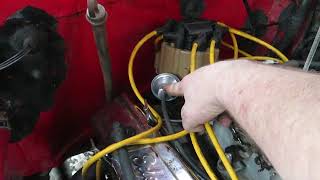
Technical Specifications
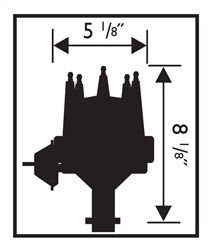
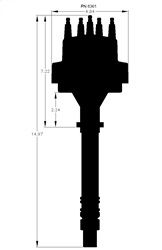
The most important specification is the trigger type: mechanical points or electronic (e.g., magnetic or Hall effect). Compatibility also depends on the specific V8 engine in your Impala (e.g., 283, 327, 348, 409), as shaft lengths and gears can vary.
We Have This Part in Stock

The information in this article is provided for general reference and educational purposes only. Vehicle specifications, procedures, and part compatibility can vary by production date, trim level, and region. Always consult your vehicle's factory service manual and verify part numbers before purchasing or performing repairs. Safety-critical components such as airbags, seat belts, and braking systems should be installed by a qualified professional.
- 🎬 Helpful Videos
- 🛍️ Shop This Part
- Time for a New Distributor?
- Symptoms of a Failing Distributor
- Known Issues for 1958-1966 Impalas
- Choosing Your Aftermarket Distributor: Points vs. Electronic
- Stock-Style (Points) Distributors
- Electronic Conversion & Full Electronic Distributors
- Aftermarket Brand Tiers
- Frequently Asked Questions
- 🎟️ Get 5% Off