

A Guide to Spark Plugs for the 1958-1968 American Motors American
Keep your classic AMC American running strong by choosing the right spark plugs for its engine.
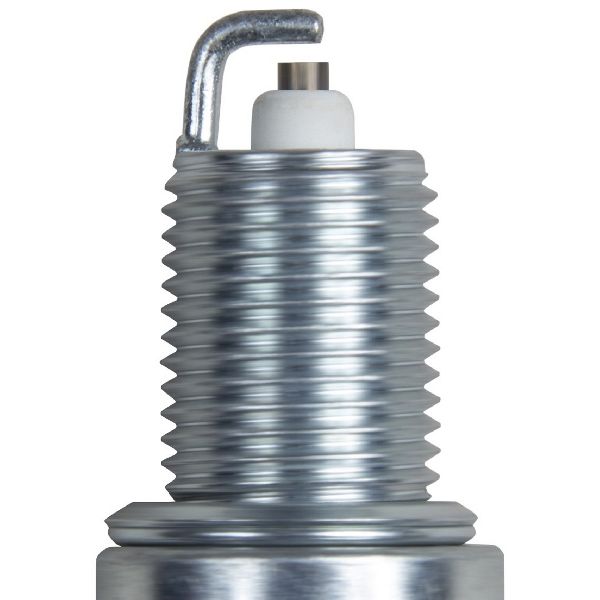
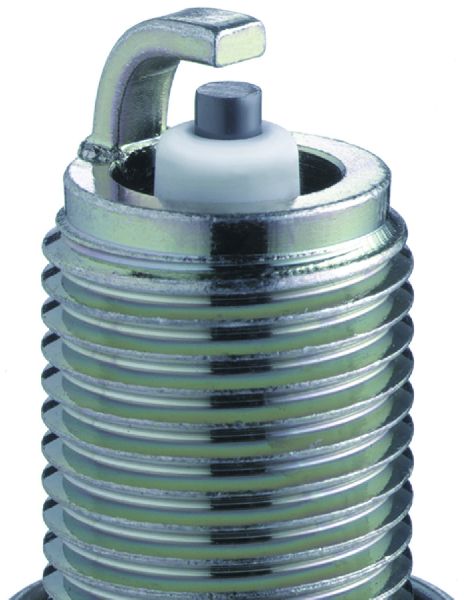
- Stick with standard copper-core spark plugs from brands like NGK, Champion, or Autolite for best performance.
- Avoid expensive iridium or platinum plugs, as they are not designed for this vehicle's ignition system.
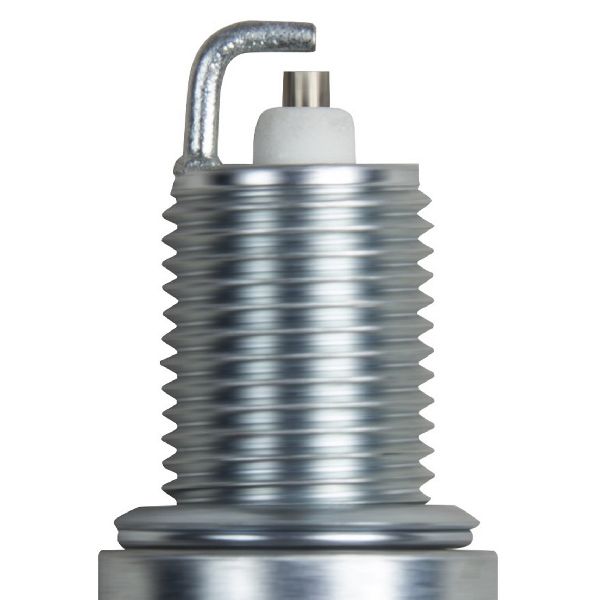
- Always check and set the spark plug gap (usually 0.035") before installation.
- Changing spark plugs is a very easy and inexpensive DIY job that can significantly improve engine performance.
Symptoms of Failing Spark Plugs
When spark plugs wear out, they can't create a strong enough spark to burn the fuel properly. This can cause a number of problems that you might notice while driving. Since the ignition system on the AMC American is straightforward, worn plugs are a common cause of engine issues.
- Rough Idling: The engine may shake or sound uneven when the car is stopped.
- Hard Starting: The engine may take longer than usual to start, especially when it's cold.
- Engine Misfires: You might feel a hesitation or jerking from the engine, particularly when you accelerate. 🎬 Watch: Diagnosing an engine skip on an AMC 232
- Poor Fuel Economy: If you notice you're filling up the gas tank more often, worn plugs could be wasting fuel.
- Sluggish Acceleration: The car may feel weak or slow to respond when you press the gas pedal.
Reading Your Old Plugs
When you remove your old spark plugs, look at their tips. A light tan or grayish color means the engine is running well. If they are black and sooty, the engine may be running too rich (too much fuel). If they are covered in oil, it could point to more serious internal engine problems.
Choosing the Right Aftermarket Spark Plug
For a classic car like the 1958-1968 American, the original equipment manufacturer (OEM) parts landscape is different. Brands that were original equipment back then, like Champion, are now considered aftermarket brands. The key is to choose a quality plug that matches the original design and heat range.
Stick with Standard Copper Plugs
Modern, expensive spark plugs made with platinum or iridium are designed for modern computer-controlled engines. Your AMC American's engine was designed for standard copper-core spark plugs. These plugs provide a strong spark, handle the fuel mixtures of the era well, and are very affordable. Using fancy plugs won't provide any benefit and may even cause issues because the ignition system isn't designed for them.
Recommended Brands
Based on cross-reference guides and owner forums, several brands make reliable plugs for the AMC American's inline-6 engines.
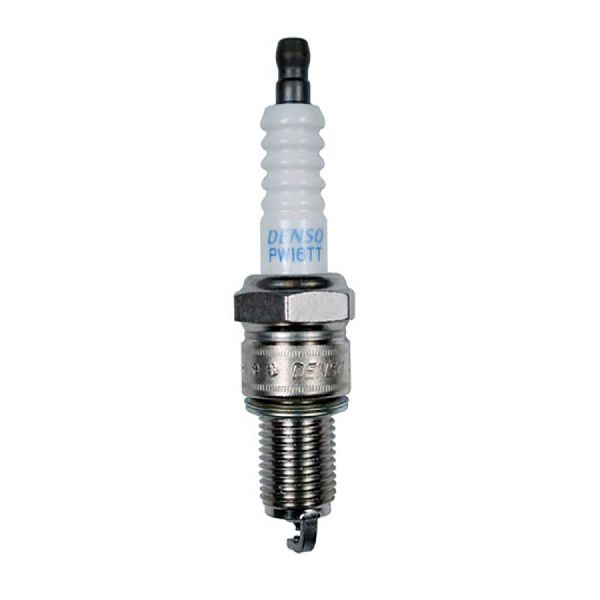
- NGK: Often highly recommended by classic car owners for their quality and reliability. The NGK B6S and B-4L are common replacements.
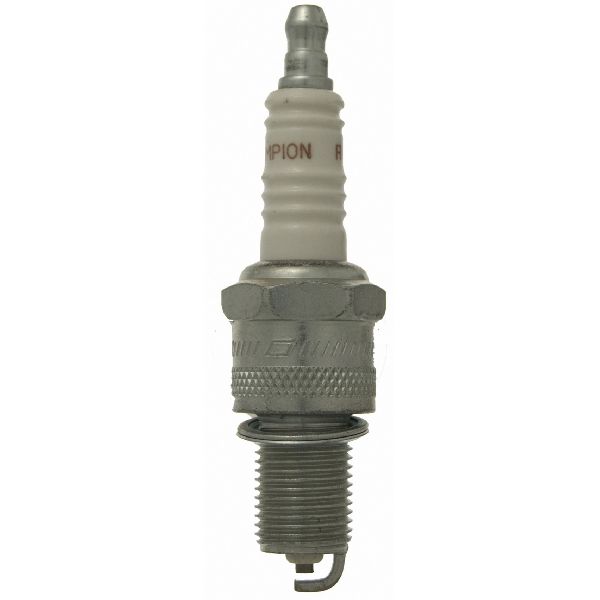
- Champion: A very common original brand for American cars of this era. The J8C or H12 are frequently cited plugs.
- Autolite: Another trusted American brand. The Autolite 437 or 216 are often cross-referenced for these engines.
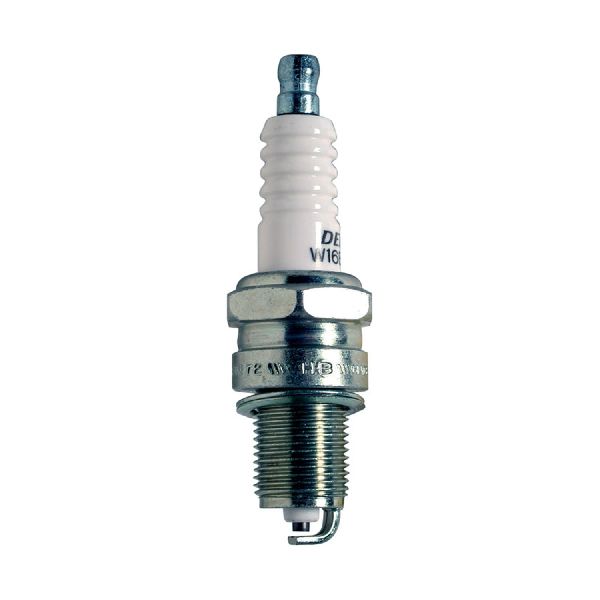
- Denso: A quality Japanese brand that offers compatible standard copper plugs like the W14L.
- ACDelco: A reliable choice, often associated with GM vehicles, but they make plugs that fit the AMC engines as well.
| Tier | Brand Examples | Estimated Price |
|---|---|---|
| Standard Copper (Recommended) | NGK, Champion, Autolite, Denso, ACDelco | $3.50 - $7.50 |
| Premium (Iridium/Platinum) | NGK, E3, Denso | $7.50 - $16.38 |
Note: Prices are estimates and can vary by retailer and specific part number. For this vehicle, standard copper plugs are the best choice.
Vehicle-Specific Information
The 1958-1968 American Motors American used a few different inline-6 engines. From 1958 to 1965, the primary engine was the 195.6 cubic inch L-head (flathead) six. 🎬 See this maintenance walkthrough for the 196 L-head engine In 1964, AMC introduced the new, more modern overhead valve (OHV) 232 cubic inch "Typhoon" six, which became more common in later years. A smaller 199 cubic inch OHV six was also used starting in 1966. While many plugs cross-reference, always confirm the correct part for your specific engine.
No recalls or Technical Service Bulletins (TSBs) related to spark plugs were found for this vehicle, which is expected given its age.
Frequently Asked Questions (FAQ)
What is the correct spark plug gap for my AMC American?
The spark plug gap is typically around 0.035 inches, but it can vary slightly by year and specific engine. Always check the specification for your model year. You can check and adjust the gap using a simple gapping tool.
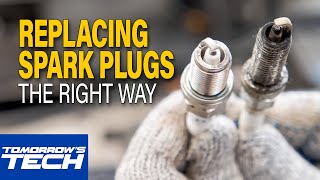
🎬 Watch: How to replace a spark plug the right wayHow often should I change the spark plugs?
For a classic car using standard copper plugs, a good interval is every 10,000 to 15,000 miles or every few years as part of a regular tune-up. Since these cars often aren't daily drivers, time can be as important as mileage.
Do I need special tools to change the spark plugs?
No, the job is very simple. You will need a ratchet, a spark plug socket (usually 13/16"), and an extension. Access to the plugs on the inline-6 engine is typically wide open and easy to reach.
Should I use anti-seize on the new spark plug threads?
This is a topic of debate. Many modern plugs have a special coating that prevents seizing, and manufacturers like NGK advise against using anti-seize. If you do use it, apply only a very small amount to the threads, avoiding the electrode, and reduce the tightening torque slightly to avoid over-tightening.
Helpful Videos

Technical Specifications
OEM Part Numbers: Champion J8C Champion H10C Autolite 295 Autolite 437 NGK B6S NGK B-4L
Engine Type: 195.6ci L-Head Inline-6, 199ci OHV Inline-6, 232ci OHV Inline-6. Spark Plug Thread Size: 14mm. Hex Size: 13/16". Recommended Gap: ~0.035 inches.
We Have This Part in Stock

The information in this article is provided for general reference and educational purposes only. Vehicle specifications, procedures, and part compatibility can vary by production date, trim level, and region. Always consult your vehicle's factory service manual and verify part numbers before purchasing or performing repairs. Safety-critical components such as airbags, seat belts, and braking systems should be installed by a qualified professional.