

Choosing the Right Spark Plugs for Your 1958-1969 Chevrolet Impala
Keep your classic Impala's engine firing on all cylinders with the correct new aftermarket spark plugs.
- For a stock 1958-1969 Impala, stick to standard copper-core spark plugs from reputable brands like ACDelco or NGK.
- Expensive iridium or platinum plugs are not necessary and provide little to no benefit for these vintage engines.
- Always check and adjust the spark plug gap before installation, even if the plugs are advertised as pre-gapped.
- Symptoms like rough idle, poor acceleration, and decreased fuel economy are strong indicators that it's time to check your plugs.
Signs of Failing Spark Plugs in a Classic Impala
The ignition system on your 1958-1969 Impala is straightforward, which means spark plug problems can be easy to spot. If your plugs are worn, fouled with fuel or oil, or have an incorrect gap, you'll notice it. Common symptoms include rough idling, engine hesitation or misfiring, reduced power and acceleration, and a decrease in fuel economy. In some cases, you might have trouble starting the engine, especially when it's cold. Because these cars pre-date modern computer diagnostics, listening to and feeling how the engine runs is the best way to diagnose a spark plug issue.
Choosing the Right Aftermarket Spark Plugs
For a stock or lightly modified Impala from this era, you do not need expensive, fancy spark plugs. The original ignition systems were designed for basic, reliable copper-core plugs. Modern platinum or iridium plugs are often overkill and won't provide a noticeable benefit for the price in a stock classic engine. Stick with what works.
Brand Recommendations for Classic Chevy Engines
| Brand Tier | Brands | Assessment |
|---|---|---|
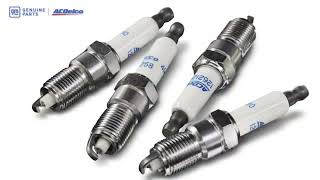
| OEM / Highly Recommended | ACDelco, NGK | ACDelco is the original GM parts brand and offers conventional copper-core plugs that are a perfect match for your Impala's engine. 🎬 Learn why ACDelco remains the top OEM choice for GM performance. NGK is a top-tier brand known for quality; their standard V-Power nickel plugs are an excellent, reliable choice that many classic car owners trust. |
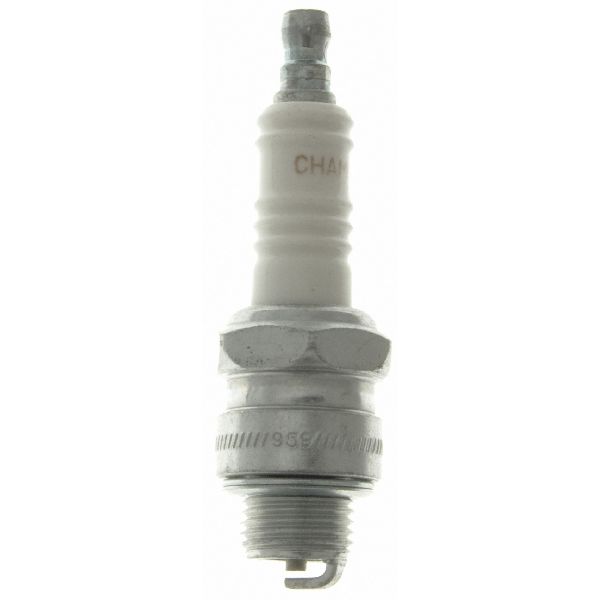
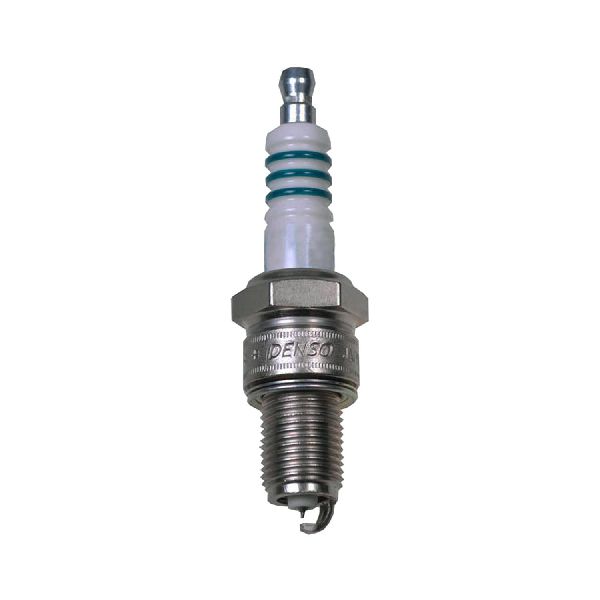
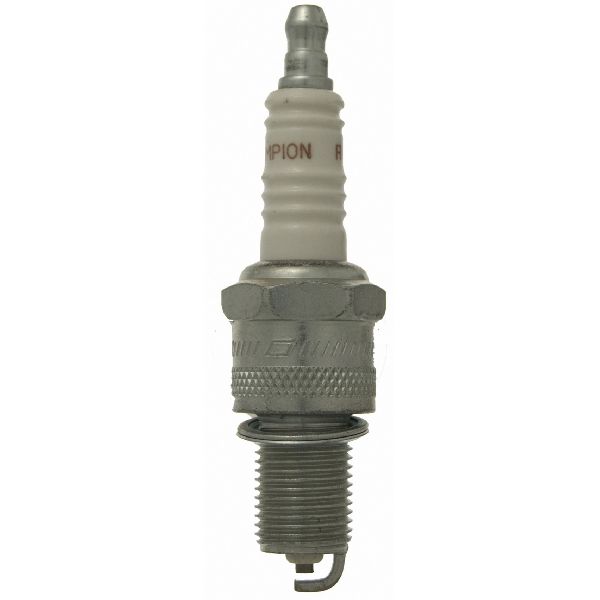
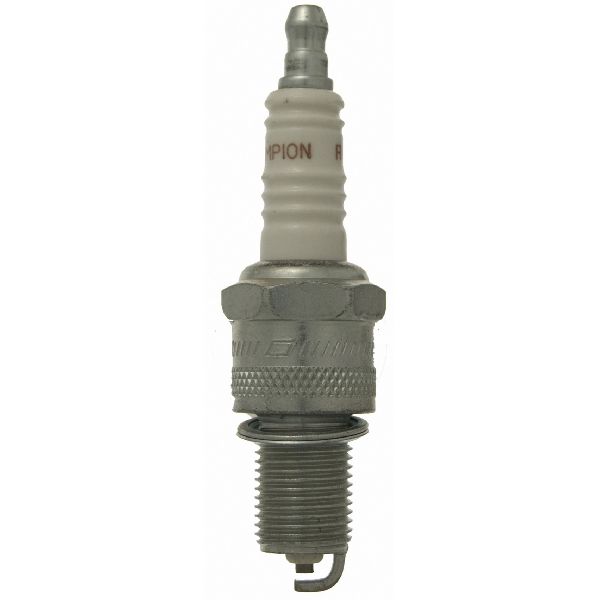
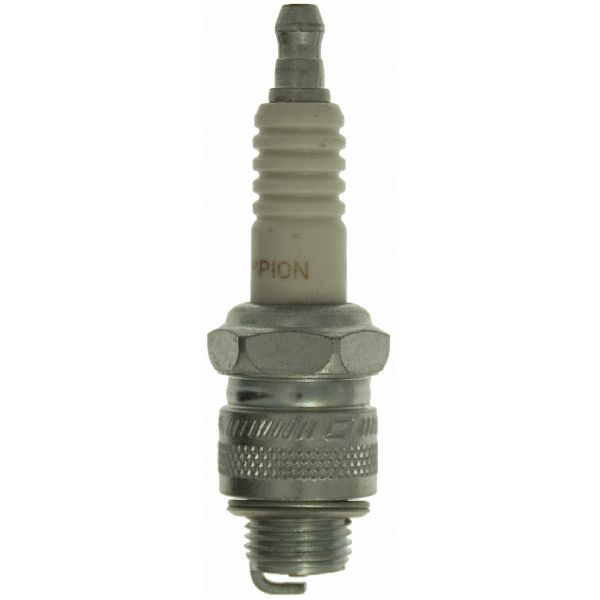
| Quality Alternatives | Autolite, Champion, Denso | Champion was a very common brand from the period and their Copper Plus plugs are a good, dependable option. Autolite is another respected American brand 🎬 Watch this comparison of the best spark plugs for Chevy engines. that makes quality plugs suitable for your V8 or inline-six. Denso also provides quality replacement options. |
| Performance / Specialty | Accel | Accel is known for high-performance ignition components. Their plugs might be a good choice if your Impala has significant engine modifications, like a high-compression build or a different ignition system, but they are unnecessary for a stock vehicle. |
Check the Gap!
Even if a spark plug is listed as "pre-gapped," always check the gap with a feeler gauge or gapping tool before installation. The correct gap for your specific engine is critical for performance. An incorrect gap can cause misfires and poor running. This simple step prevents major headaches.
Known Issues, Recalls, and Service Bulletins
For vehicles of this age, there are no active recalls or modern Technical Service Bulletins (TSBs) from Chevrolet related to spark plugs. Any issues you encounter will be due to normal wear and tear, improper installation, or a problem elsewhere in the ignition or fuel system causing the plugs to foul. For example, a carburetor running too rich can cause black, sooty plugs, while worn piston rings can lead to oil-fouled plugs.
Cost of New Spark Plugs (1958-1969 Impala)
The cost for new spark plugs is very reasonable. The wide price range reflects the difference between a single standard copper plug and a set of high-performance specialty plugs.
| Category | Price Range (per plug) |
|---|---|
| Standard Aftermarket (ACDelco, Champion, NGK) | $3.38 - $5.00 |
| Performance Aftermarket (Accel, some Denso) | $10.00 - $43.00+ |
Note: Prices are estimates and can vary based on retailer and specific product. The vast majority of owners will only need plugs from the standard category.
Frequently Asked Questions
How often should I change the spark plugs on my classic Impala?
For a classic car with a conventional ignition system, a good rule of thumb is to inspect and likely replace the spark plugs every 15,000 to 30,000 miles, or every few years, depending on how much you drive. Given the low cost, frequent changes are cheap insurance against ignition problems.
Are expensive iridium or platinum spark plugs better for my Impala?
No. For a stock 1958-1969 Impala engine, expensive plugs are not necessary and provide no real benefit. The ignition systems of that era were designed for standard copper-core plugs. Sticking with a quality copper plug from a brand like ACDelco or NGK is the best approach.
What does a fouled spark plug tell me?
The condition of your old spark plugs can tell you a lot about your engine's health. A plug covered in black, dry soot suggests the engine is running too rich (too much fuel). A plug coated in oily residue can indicate worn piston rings or valve guides. A blistered or white insulator may mean the engine is running too hot or lean.
Is replacing spark plugs a DIY job on this car?
Yes, absolutely. On a 1960s Impala with a V8 or inline-six, the spark plugs are typically very easy to access. With basic tools like a spark plug socket and a ratchet, this is a great job for a beginner. Just be sure to work on a cold engine and replace the plugs one at a time to avoid mixing up the spark plug wires.
Helpful Videos

Technical Specifications
OEM Part Numbers: ACDelco R43S ACDelco R45S
The key specifications are the heat range, thread size, and reach. For most stock V8 engines of this era, a standard copper plug like an ACDelco R45S or equivalent is appropriate. Always verify the correct plug for your specific engine (e.g., 283, 327, 396, 409) as heat ranges may vary.
We Have This Part in Stock


The information in this article is provided for general reference and educational purposes only. Vehicle specifications, procedures, and part compatibility can vary by production date, trim level, and region. Always consult your vehicle's factory service manual and verify part numbers before purchasing or performing repairs. Safety-critical components such as airbags, seat belts, and braking systems should be installed by a qualified professional.
- 🎬 Helpful Videos
- 🛍️ Shop This Part
- Signs of Failing Spark Plugs in a Classic Impala
- Choosing the Right Aftermarket Spark Plugs
- Brand Recommendations for Classic Chevy Engines
- Check the Gap!
- Known Issues, Recalls, and Service Bulletins
- Cost of New Spark Plugs (1958-1969 Impala)
- Frequently Asked Questions
- 🎟️ Get 5% Off