

Chevrolet Impala Starter Replacement Guide (1958-1969)
Everything you need to know about choosing the right new starter for your classic 1958-1969 Chevrolet Impala.
- For most drivers, a modern gear-reduction ('mini') starter is a significant upgrade that solves heat soak issues and provides faster starts.
- Common failure symptoms include a loud click with no crank, slow cranking, or grinding noises.
- Replacing the starter is a DIY-friendly job for this vehicle, typically taking 1-2 hours with basic tools.
- Always confirm your battery is fully charged and terminals are clean before assuming the starter is the problem.
Is Your Impala's Starter Failing?
For a car as timeless as a 1958-1969 Impala, starting problems can be frustrating. The starter is a common wear item. Because it's located near the hot exhaust, especially on V8 models, it can fail from years of heat and use. Recognizing the signs of a bad starter can save you from being stranded.
Common Symptoms of a Bad Starter
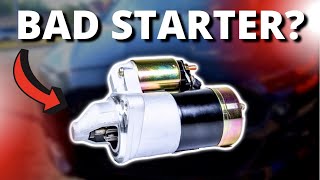
🎬 Watch: See and hear these common bad starter symptoms- Single Loud Click: You turn the key and hear one loud "CLICK" but the engine doesn't turn over. This often points to a bad starter solenoid.
- Slow, Labored Cranking: The engine turns over very slowly, even with a fully charged battery. This suggests the starter motor is worn out and struggling.
- Grinding Noise: A harsh grinding sound when you try to start the car can mean the starter's gear is not engaging correctly with the flywheel, or it's already damaged.
- No Sound at All: If you turn the key and get nothing—no click, no crank—and you know the battery is good, the starter could be completely dead.
- Engine Starts, Then You Hear a Whirring/Zinging: If the starter motor continues to run after the engine has started, it can indicate a problem with the solenoid not disengaging the starter gear.
Choosing the Right Aftermarket Starter
For a classic Impala, finding a "new OEM" Delco-Remy starter is nearly impossible. The market is served by new aftermarket parts. Your main choice is between two types of starters:
1. Standard Replacement (Direct-Drive)
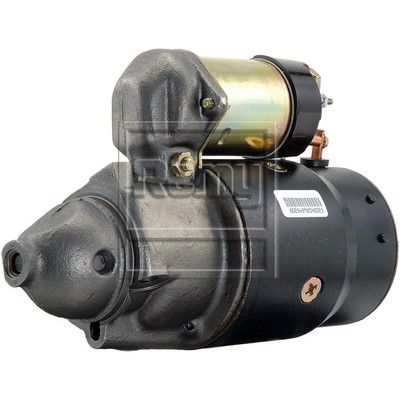
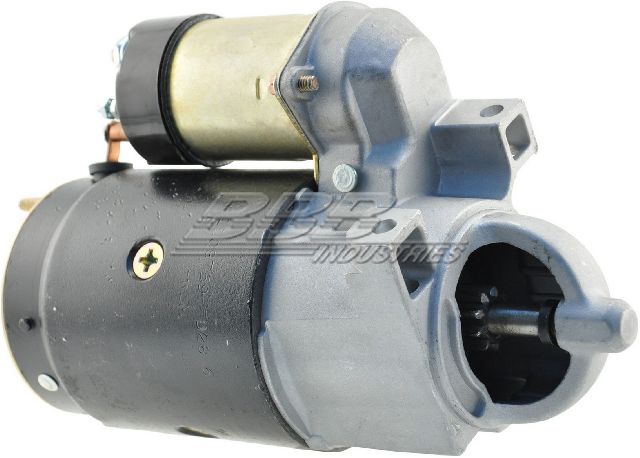
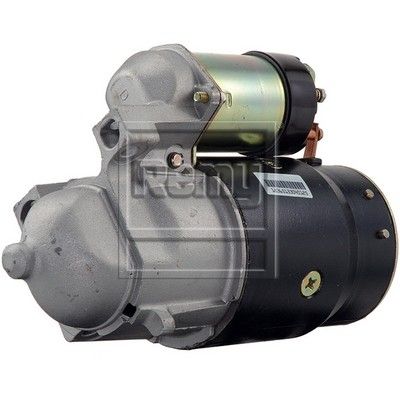
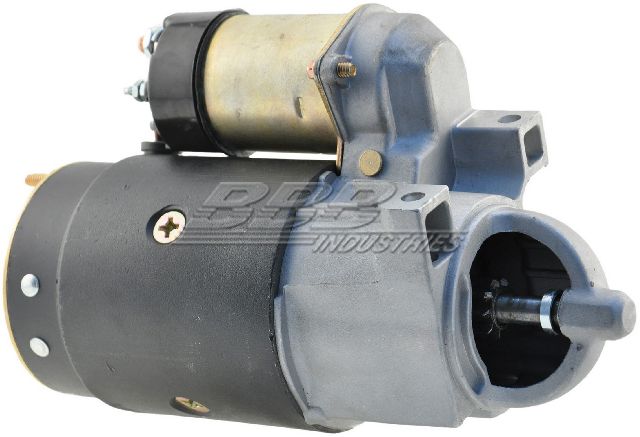
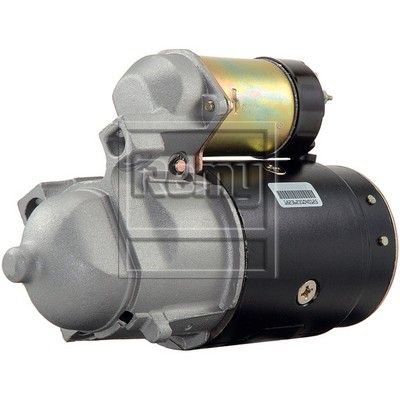
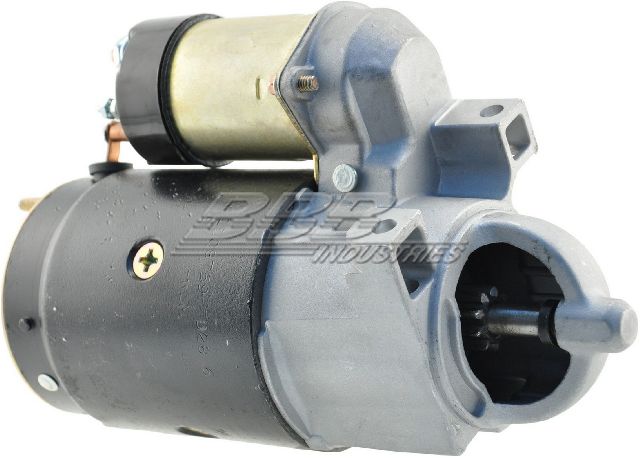
This type of starter looks and functions just like the original one that came in your Impala. It's a good choice if you are doing a historically accurate restoration and want to keep everything looking original. However, they are heavy and can be prone to the same issues as the original, like heat soak.
2. Gear Reduction or "Mini Starter"
This is a modern upgrade and the best choice for most owners, especially for a car that is driven regularly. These starters use a set of internal gears to multiply torque.
Available Brands: BBB Industries and Remy
Both BBB Industries and Remy are major suppliers of aftermarket starters. Remy has a long history connected to the original Delco-Remy brand. Both brands offer reliable replacement options. When shopping, focus less on the brand name and more on the type of starter. For a V8 Impala that you plan to drive, a gear reduction starter from either brand will be a significant upgrade over the original style.
A Note on Heat Soak
If your Impala struggles to start when it's hot, you are likely experiencing heat soak. This happens when the starter and solenoid get so hot from the nearby exhaust manifold that their electrical resistance increases, preventing the car from starting until it cools down. A gear reduction starter is the best fix, but a heat shield or starter wrap can also help protect a standard starter.
How Much Does a New Starter Cost for a 1958-1969 Impala?
The cost is reasonable for such a critical part. The job is straightforward for a mechanic, and many DIYers can handle it in their garage.
| Part or Service | Estimated Cost |
|---|---|
| New Aftermarket Starter | $106 - $185 |
| Shop Labor | $150 - $300 |
| Total Estimated Cost | $256 - $485 |
Frequently Asked Questions
Is it hard to replace the starter on a classic Impala?
No, for a mechanically inclined person, it's a relatively easy job. It involves safely raising the vehicle, disconnecting the battery, removing two bolts and a few wires, and then swapping the starter. The job usually takes 1-2 hours.
What are starter shims and will I need them?
Starter shims are thin metal plates used to adjust the distance between the starter gear and the flywheel. An incorrect distance can cause grinding or damage. Not all installations need them, but it's good to have a set on hand. If you hear a grinding or high-pitched whining sound after installation, you may need to add or remove shims.
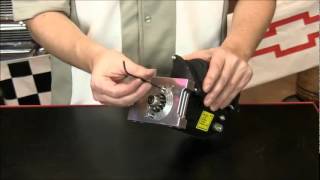
🎬 Watch: How to properly shim a GM style starterShould I buy a standard starter or a gear reduction starter?
For most owners, the gear reduction starter is the better choice. It provides more cranking power, weighs less, and is more resistant to heat-related problems. Unless you are aiming for a 100% original show car, the modern technology is a worthwhile upgrade.
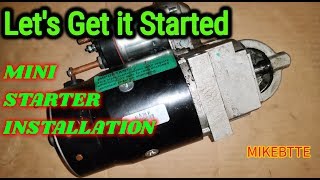
🎬 See this walkthrough for installing a modern mini starterCan a bad starter drain my battery?
A failing starter with an internal short can draw excessive power and potentially drain a battery. However, a more common scenario is mistaking a dead battery for a bad starter. Always make sure your battery is fully charged and the connections are clean and tight before replacing the starter.
Helpful Videos
Technical Specifications
OEM Part Numbers: Note: Original Delco-Remy part numbers vary greatly by year and engine. Consult a specific parts catalog for your vehicle's exact OEM number.
Voltage: 12V. Drive Type: Direct Drive (Original Style) or Gear Reduction (Modern Upgrade). Tooth Count: Varies by engine/flywheel (typically 9-tooth for small blocks). Mounting: Two-bolt mount, may be straight-across or offset depending on flywheel size.
We Have This Part in Stock

The information in this article is provided for general reference and educational purposes only. Vehicle specifications, procedures, and part compatibility can vary by production date, trim level, and region. Always consult your vehicle's factory service manual and verify part numbers before purchasing or performing repairs. Safety-critical components such as airbags, seat belts, and braking systems should be installed by a qualified professional.
- 🎬 Helpful Videos
- 🛍️ Shop This Part
- Is Your Impala's Starter Failing?
- Common Symptoms of a Bad Starter
- Choosing the Right Aftermarket Starter
- 1. Standard Replacement (Direct-Drive)
- 2. Gear Reduction or "Mini Starter"
- Available Brands: BBB Industries and Remy
- A Note on Heat Soak
- How Much Does a New Starter Cost for a 1958-1969 Impala?
- Frequently Asked Questions
- 🎟️ Get 5% Off