

Your Guide to the 1958-1970 Lincoln Continental Ignition Switch
Don't let a faulty ignition switch leave your classic Lincoln stranded.
- A bad ignition switch can mimic a dead battery or starter, but key symptoms include stalling while driving and flickering dash lights.
- New OEM switches are not available; a quality aftermarket part from a brand like Standard Ignition is the recommended solution.
- The electrical switch and the mechanical lock cylinder are often separate parts; identify which one has failed before ordering.
- Replacement is a manageable DIY task, typically involving access behind the dashboard and potentially lowering the steering column.
Is Your Lincoln Continental's Ignition Switch Failing?
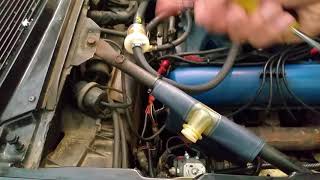
A bad ignition switch in a 1958-1970 Lincoln Continental can cause confusing problems that might seem like a dead battery or a bad starter. 🎬 Watch this guide on troubleshooting engine starting issues. Because this switch controls power to so many systems, its failure can show up in different ways. Worn internal contacts are the usual cause, leading to an unreliable flow of electricity.
Common Symptoms of a Bad Ignition Switch
- Car Won't Start: This is the most obvious sign. You turn the key and nothing happens—no click, no crank. Or, it might start sometimes but not others.
- Engine Stalls Unexpectedly: The switch can lose connection while you're driving, cutting power to the ignition and fuel systems. This can cause the engine to shut off, which is a serious safety issue.
- Key is Hard to Turn or Gets Stuck: Physical wear inside the switch or the lock cylinder it connects to can make the key difficult to turn or even remove.
- Flickering Dashboard Lights: If you see the dash lights flicker or go out when you turn the key to the 'On' position, it points to a poor connection inside the switch.
- Accessories Don't Work: The radio, power windows, and other accessories may not turn on in the 'ACC' position if the switch is faulty.
Safety First
If your engine stalls while driving, it is a critical safety hazard. Do not drive the vehicle until the issue is diagnosed and repaired. A faulty ignition switch is a common cause of this problem.
Choosing the Right Aftermarket Ignition Switch
For a classic vehicle like the 1958-1970 Lincoln Continental, new Original Equipment Manufacturer (OEM) parts from Ford are no longer produced. The market consists of New Old Stock (NOS) parts, which are rare and expensive, and aftermarket parts. For a reliable repair, a quality aftermarket switch is the most practical choice.
Available Brands: Standard vs. Rostra
When shopping for a new ignition switch, you will likely encounter these two brands:
- Standard Ignition (Standard Motor Products): SMP is a long-established and highly respected brand in the aftermarket, especially for American vehicles. They are known for producing reliable ignition components that meet or exceed original specifications. For this specific application, Standard is often the go-to choice for both professional mechanics and DIY enthusiasts.
- Rostra Powertrain: Rostra is a certified manufacturer of automotive electronics, well-known for transmission components and cruise control systems. While they have a strong background in producing quality electronic parts, they are less known specifically for ignition switches compared to Standard.
Pro Tip: Check Your Lock Cylinder First
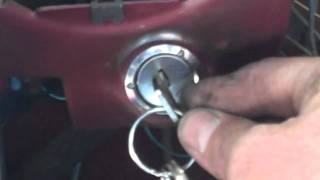
The ignition switch is the electronic part, while the lock cylinder is the mechanical part your key fits into. Sometimes, only the lock cylinder is worn. In many 1960s Fords, you can remove the lock cylinder by turning the key to 'ACC', inserting a paperclip into a small hole on the face of the cylinder, and turning further to release it. Check if your issue is purely mechanical (key won't turn) before replacing the entire electrical switch.
🎬 See how to remove the lock cylinder and switch.Cost of Replacing a Lincoln Continental Ignition Switch
| Part Type | Estimated Cost |
|---|---|
| New Aftermarket Ignition Switch | $20.56 - $59.14 |
| Shop Labor | $100 - $250 |
| Total Estimated Cost | $120 - $310 |
Cost estimates are for reference only and may vary based on your location, vehicle condition, and the specific part chosen.
Frequently Asked Questions (FAQ)
How do I know it's the ignition switch and not the battery or starter?
If the battery is the problem, you'll often hear a rapid clicking from the starter solenoid or see very dim or no lights at all. If the starter is bad, you might hear a single, loud click when you turn the key, but the engine won't crank. A bad ignition switch often results in complete silence with no clicking, or causes accessories and dash lights to fail when they should be on.
🎬 Learn how to test an ignition switch for electrical failure.Can I replace the ignition switch myself?
Yes, this is a feasible DIY project for someone with basic mechanical skills. The switch is typically located on the back of the lock cylinder inside the dashboard. You will need to remove the lower dash panel to gain access. On some models, you may need to drop the steering column to get enough clearance. Always disconnect the battery before starting any electrical work.
What's the difference between the ignition switch and the lock cylinder?
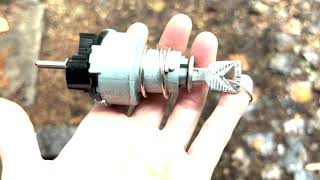
The lock cylinder is the mechanical tumbler that your key goes into. The ignition switch is the electrical component that the lock cylinder turns. They are often separate parts on these vehicles. You can sometimes replace one without the other.
Are there any recalls for the 1958-1970 Lincoln Continental ignition switch?
No, there are no active recalls or Technical Service Bulletins (TSBs) from the NHTSA for the ignition switch on this generation of Lincoln Continental. Given the age of the vehicle, any widespread issues have long since been addressed through normal repairs.
Helpful Videos

Technical Specifications
Common aftermarket part numbers include Standard Motor Products US-49. The switch is typically a dash-mounted electrical component separate from the key and lock cylinder.
We Have This Part in Stock


The information in this article is provided for general reference and educational purposes only. Vehicle specifications, procedures, and part compatibility can vary by production date, trim level, and region. Always consult your vehicle's factory service manual and verify part numbers before purchasing or performing repairs. Safety-critical components such as airbags, seat belts, and braking systems should be installed by a qualified professional.
- 🎬 Helpful Videos
- 🛍️ Shop This Part
- Is Your Lincoln Continental's Ignition Switch Failing?
- Common Symptoms of a Bad Ignition Switch
- Safety First
- Choosing the Right Aftermarket Ignition Switch
- Available Brands: Standard vs. Rostra
- Pro Tip: Check Your Lock Cylinder First
- Cost of Replacing a Lincoln Continental Ignition Switch
- Frequently Asked Questions (FAQ)
- 🎟️ Get 5% Off