

Chevrolet Impala Neutral Safety Switch Guide: 1958-1973
If your Impala won't start in Park, this simple switch could be the reason why.
- A 'no-start' problem where the dash lights work could be the neutral safety switch.
- If the car won't start in Park, always try starting it in Neutral before suspecting other parts.
- The switch location differs between column-shift and floor-shift models.
- Aftermarket switches from brands like Standard Ignition or ACDelco are reliable replacements; proper adjustment after installation is essential for function.
Is a Bad Neutral Safety Switch Causing Your Impala's Starting Problems?

A no-start issue on a classic car can have many causes, but the neutral safety switch is a common and often overlooked culprit. Before you blame the starter or battery, it's worth checking if this switch has failed or just needs adjustment. Because these switches were used for many years, their designs can vary. The location of the switch on your Impala depends on your transmission and shifter type.
- Column Shifters: On most Impalas with a column-mounted shifter, the switch is a crescent-shaped part mounted directly to the steering column under the dashboard. 🎬 See how to replace a column-mounted switch on classic GM cars.
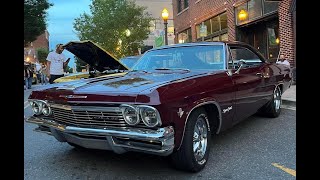
- Floor Shifters (SS Models): For Impalas with a center console and floor shifter (like many Super Sport models), the switch is typically located on the shifter assembly inside the console or on the side of the transmission itself. 🎬 Watch this step-by-step replacement on a 1965 Impala SS.
Symptoms of a Failing Neutral Safety Switch

When this switch starts to go bad, it gives clear warning signs. Paying attention to them can save you from being stranded.
- Starts in Neutral, But Not Park (or Vice Versa): This is the most common symptom. If your Impala won't crank in Park but starts right up when you shift to Neutral, the switch is likely failing or out of adjustment.
- No Crank at All: If the switch fails completely, it won't send power to the starter in any gear. You'll turn the key and get nothing, even though your battery and lights work.
- Starts in Any Gear: This is a serious safety hazard. If the switch shorts out, it might allow the car to start in Drive or Reverse. This requires immediate replacement.
- Reverse Lights Don't Work: Since the switch also controls the backup lights, finding they don't turn on can be another clue, 🎬 Watch a classic guide on testing neutral safety switch circuits. especially if you also have starting issues.
Choosing the Right Aftermarket Switch

For a vehicle from this era, finding New Old Stock (NOS) GM parts is very difficult and expensive. The most practical and common solution is a new aftermarket switch. The quality of modern aftermarket electrical parts is generally very reliable for this application.
- Standard Tier (Good): Brands like Standard Ignition (Standard Motor Products) are a solid choice. They are a long-time manufacturer of aftermarket parts and their switches are designed to meet original specifications. They offer a reliable part at a good price point.
- Premium Tier (Better): Brands like ACDelco Professional are considered a premium aftermarket option. While not original GM parts from the 60s, they are licensed and manufactured to meet or exceed GM's standards for fit and performance.
- Specialty Brands: You may see brands like Mcleod listed. Be aware that their switches are often designed for specific performance applications, such as their 5-speed transmission conversion kits, and may not be a direct fit for a stock Powerglide or Turbo-Hydramatic transmission. Always verify the application before buying.
Estimated Part & Labor Costs
| Part or Service | Estimated Cost |
|---|---|
| New Aftermarket Switch | $40 - $48 |
| Shop Labor | $90 - $150 |
Pro Tip: Adjustment is Key
Replacing the switch is only half the job. The new switch must be adjusted correctly. The mounting holes are slotted to allow for movement. During installation, the switch is loosely bolted on, and its position is adjusted until the car starts reliably in Park and Neutral but in no other gear. Failure to adjust it properly will make it seem like the new part is also broken.
Frequently Asked Questions

Can I just bypass the neutral safety switch?
While it is technically possible to bypass the switch by connecting the two purple starter wires, it is strongly discouraged. Doing so completely removes the safety feature, allowing the car to start in any gear and creating a serious risk of an accident. It also means your reverse lights will not work.
My Impala has a manual transmission. Does it have a neutral safety switch?
No, cars with manual transmissions from this era did not use a neutral safety switch. Safety was dependent on the driver pressing the clutch pedal before starting the engine. Some manual transmission cars did have a switch on the transmission or shifter to operate the backup lights.
Are there any recalls for the 1958-1973 Impala neutral safety switch?
No, there are no open or past recalls issued by the NHTSA for the neutral safety switch on 1958-1973 Chevrolet Impalas. Any failure is due to the age and wear of the original component.
Is replacing the neutral safety switch a good DIY project?
Yes, for a mechanic with some experience. The difficulty is low, but access can be tricky. For a column-shift car, you will be working in the tight space under the dashboard. For a console-shift car, you may need to remove the top of the center console to gain access. The key is patience and making sure to adjust the new switch correctly.
Helpful Videos


Technical Specifications
Varies by year and shifter type (column vs. floor). Typically includes two terminals for the starter circuit (purple wires) and two terminals for the backup light circuit (green wires). The switch is actuated by the movement of the gear selector.
We Have This Part in Stock


The information in this article is provided for general reference and educational purposes only. Vehicle specifications, procedures, and part compatibility can vary by production date, trim level, and region. Always consult your vehicle's factory service manual and verify part numbers before purchasing or performing repairs. Safety-critical components such as airbags, seat belts, and braking systems should be installed by a qualified professional.