

Chevrolet Impala Distributor Cap Guide for 1958-1976 Models
Keep your classic Impala's ignition system reliable by choosing the right distributor cap.
- First, identify if your Impala has a points-style or larger HEI-style distributor to ensure you buy the correct cap.
- A failing cap causes issues like misfiring, rough idling, and hard starting; these are signs it's time for a replacement.
- For reliability, choose a cap with brass terminals from a reputable brand like ACDelco or Standard Ignition.
- Always replace the distributor rotor at the same time as the cap for a complete ignition tune-up.
Understanding Your Impala's Ignition System: Points vs. HEI
The 1958-1976 period was a time of transition for Chevrolet's ignition systems. Your Impala will have one of two main types, and you must get the right cap to match your distributor.
- Points-Style (approx. 1958-1974): Most Impalas from this era use a points-style distributor. These have a smaller-diameter cap, an external ignition coil, and require regular maintenance of the internal breaker points. They are simple and mechanically reliable.
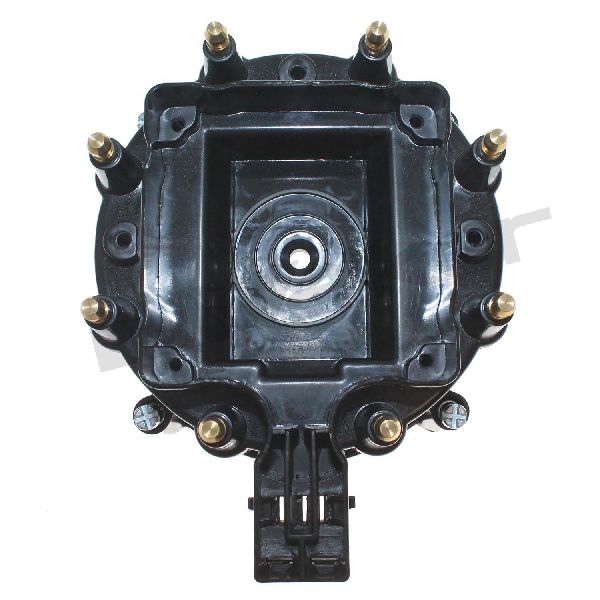
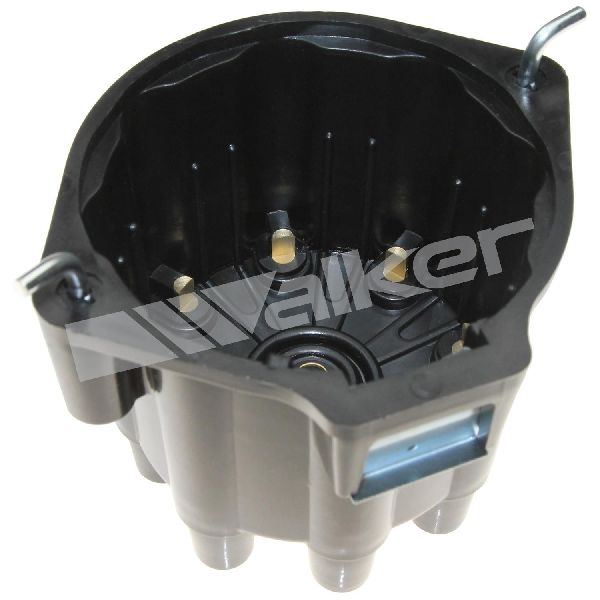
- High Energy Ignition (HEI) (approx. 1975-1976): In the mid-70s, GM introduced the HEI system. These distributors are noticeably larger because the ignition coil is built into the top of the wide cap. HEI systems provide a hotter spark, are more reliable, and require less maintenance than points systems.
Symptoms of a Failing Distributor Cap
A distributor cap is a wear-and-tear item. Heat and high voltage eventually cause the plastic to crack and the metal terminals to corrode or wear down. When this happens, you'll notice problems with how your engine runs.
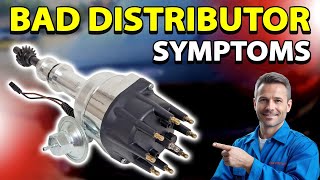
- Engine Misfires: The engine may stumble, shake, or jerk, especially when accelerating. This is often caused by cracks or carbon buildup inside the cap disrupting the spark.
- Rough Idle: Your car may vibrate or shake when stopped at a light. Worn or corroded terminals can cause an uneven spark delivery to the cylinders.
- Hard Starting or No Start: A cracked or moisture-filled cap can prevent the engine from starting at all, or make it take a long time to turn over.
- Backfiring: Improper spark timing from a faulty cap can cause the engine to backfire.
- Squealing Noises: A very dirty or clogged cap can sometimes cause a squealing sound from the engine bay. 🎬 Learn how to identify and fix a bad distributor cap.
Choosing the Right Aftermarket Distributor Cap
For a vehicle of this age, new OEM GM parts are generally unavailable. However, the aftermarket offers excellent options that often meet or exceed original specifications. When choosing, consider the material of the electrical contacts—brass is often preferred over standard steel/aluminum for better conductivity and corrosion resistance.
Aftermarket Brand Tiers
| Brand | Tier | Notes |
|---|---|---|
| ACDelco | Standard Replacement | As GM's original parts division, ACDelco is the closest you can get to an OEM part. They offer reliable, quality replacements for both points and HEI systems and are a trusted choice for a stock vehicle. |
| Standard Ignition (SMP) | Standard / Premium Replacement | A highly respected aftermarket brand known for quality. Their "Blue Streak" line is often considered a premium, durable option with good materials like brass terminals. |
| Walker Products | Standard Replacement | Walker is a known manufacturer of ignition and engine management components, aiming to meet or exceed OE specifications for fit and function. They are a solid choice for a standard replacement. |
| MSD | High-Performance | MSD specializes in performance ignition systems. Their caps are designed for high-output engines, often featuring stronger materials and superior terminal designs to handle a hotter spark. This is an upgrade for modified engines, but some users on forums have reported fitment or reliability issues with certain MSD caps, so it's best for performance applications rather than a stock daily driver. |
Frequently Asked Questions (FAQ)
Do I need a special distributor cap for my Impala's V8 engine?
Yes, but it depends on the distributor, not just the engine. Whether you have a 283, 327, 350, or 454 V8, the important factor is whether it has a points-style distributor or a later HEI distributor. The cap must match the distributor type. Always verify what is currently on your car.
What is the difference between brass and aluminum terminals?
Distributor caps come with either aluminum or brass terminals (the metal contacts inside). Brass is a better conductor of electricity and is more resistant to corrosion than aluminum. For longevity and a more consistent spark, caps with brass terminals are generally considered a better-quality option.
Can I replace the distributor cap myself?
Yes, this is a very DIY-friendly job on a 1958-1976 Impala. The distributor is usually easily accessible on top of the engine. The process involves unclipping or unscrewing the old cap, carefully transferring the spark plug wires one by one to the new cap to maintain the correct firing order, and then securing the new cap. Always replace the rotor at the same time.
How do I avoid mixing up the spark plug wires?
The easiest method is to transfer one wire at a time. Move the wire from the #1 terminal on the old cap to the #1 terminal on the new cap, then do the same for #2, and so on. Alternatively, you can use masking tape to label each wire with its cylinder number before removing them all. Getting the firing order wrong will cause the engine to run poorly or not at all.
Are there any recalls on the distributor cap for my Impala?
No. Searches of the National Highway Traffic Safety Administration (NHTSA) database show no recalls or technical service bulletins (TSBs) specifically for the distributor cap on 1958-1976 Chevrolet Impalas. Any recalls for this vehicle range are for different components.
Helpful Videos
![Points Ignition VS HEI - The Pros and Cons of Both [How To Install an HEI on YOUR Small Block Chevy]](https://img.youtube.com/vi/5-3lFDATg-U/mqdefault.jpg)
Technical Specifications
Varies by distributor type (Points vs. HEI). Points-style caps are smaller in diameter with male terminals and use an external coil connection. HEI caps are larger in diameter with female terminals and have an integrated coil-in-cap design.
We Have This Part in Stock


The information in this article is provided for general reference and educational purposes only. Vehicle specifications, procedures, and part compatibility can vary by production date, trim level, and region. Always consult your vehicle's factory service manual and verify part numbers before purchasing or performing repairs. Safety-critical components such as airbags, seat belts, and braking systems should be installed by a qualified professional.