

Chevrolet Impala Starter Motor Guide: 1958-1982
Don't get stranded by a bad starter; here's how to choose the right replacement for your classic 1958-1982 Impala.
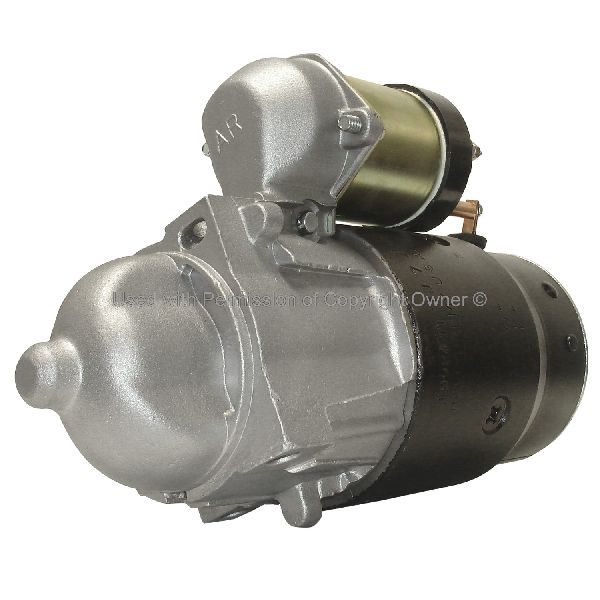
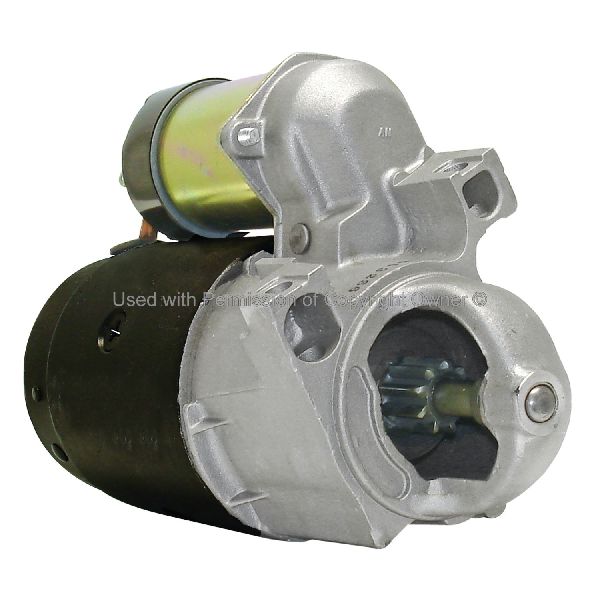
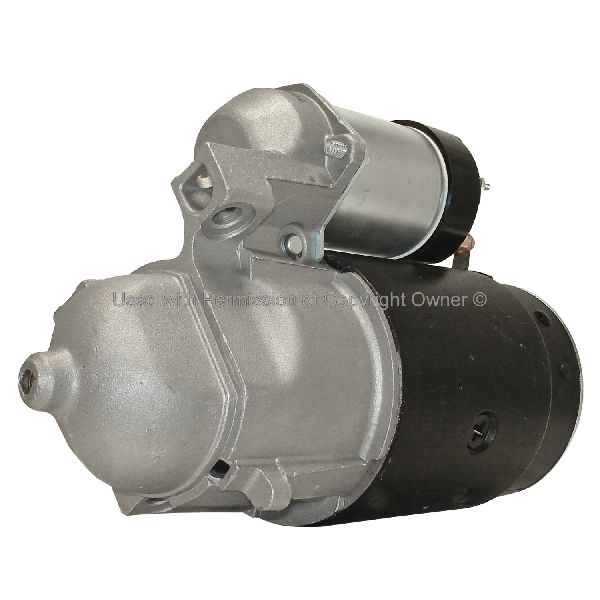
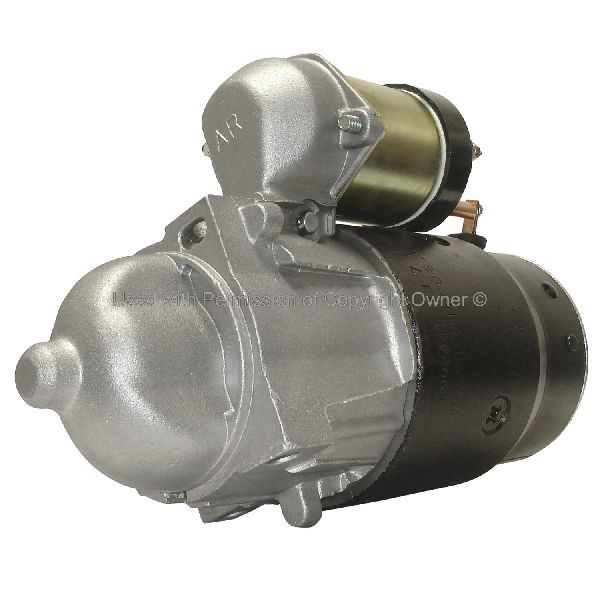
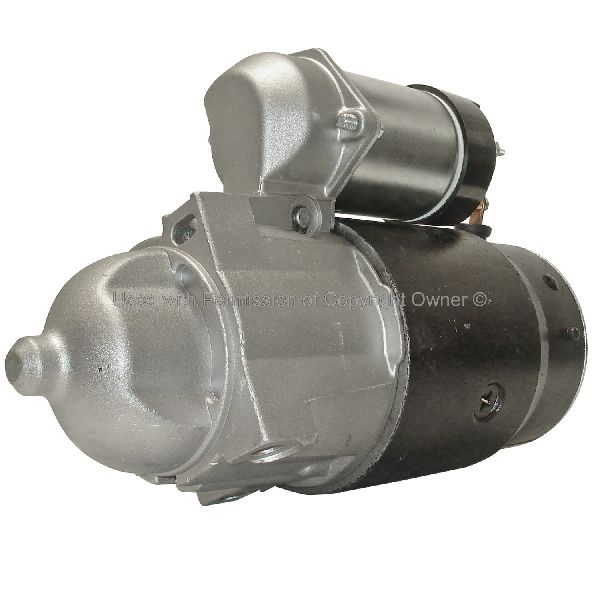
- The most critical step is matching the starter to your flywheel: a straight bolt pattern for 153-tooth flywheels and a staggered pattern for 168-tooth.
- A common issue on V8 Impalas is 'heat soak,' where the starter fails when hot. A high-torque mini-starter or a heat shield can solve this.
- Symptoms of failure include slow cranking, clicking, grinding noises, or a no-start condition even with a good battery.
- Upgrading to a modern gear-reduction 'mini-starter' provides more power, saves weight, and improves clearance for aftermarket exhaust headers.
Is Your Impala's Starter Failing?
A starter motor rarely fails without warning. For 1958-1982 Impalas, the signs are usually clear. Being stranded is the worst-case scenario, so watch for these early symptoms.
- Slow Engine Crank: When you turn the key, the engine turns over sluggishly, as if the battery is weak. This can mean the starter's internal components are worn and creating extra resistance.
- Clicking Noises: A single, loud click or a series of rapid clicks when you try to start the car often points to a problem. The click is the sound of the starter's solenoid trying to engage but failing to turn the motor.
- No Crank, Lights On: You turn the key, the dashboard lights come on, but the engine does nothing. If a jump-start doesn't help, the starter is the likely culprit.
- Grinding or Whirring: A harsh grinding sound can mean the starter gear isn't meshing correctly with the flywheel, or the teeth on either part are damaged. A whirring noise without the engine turning over suggests the starter motor is spinning, but its gear isn't engaging the flywheel at all.
- Smoke or Burning Smell: Smoke coming from under the hood after trying to start the engine is a serious sign. It indicates the starter may be overheating or has an electrical short.
Critical Fitment Check: 153-Tooth vs. 168-Tooth Flywheel
The single most common mistake when ordering a starter for a classic Chevy V8 is choosing the wrong one for your flywheel or flexplate. Your Impala will have one of two sizes:
- 153-Tooth Flywheel (Smaller): Requires a starter with a straight-across bolt pattern. The two mounting bolts are parallel to each other.
- 168-Tooth Flywheel (Larger): Requires a starter with a staggered/diagonal bolt pattern. The two mounting bolts are offset from each other.
Most engine blocks from this era are drilled to accept both patterns, but you MUST buy the starter that matches the flywheel/flexplate in your car. Before ordering, get under the car and check your current starter's bolt pattern.
Known Issue: Starter Heat Soak
Many classic Impala owners, especially those with V8 engines and aftermarket headers, experience a problem called "heat soak." This happens when the starter gets so hot from the nearby exhaust manifold that its internal electrical resistance increases. The result is a starter that works fine when the engine is cold but seems dead after a hot run. The car won't start until the starter cools down for 15-30 minutes. Modern high-torque mini-starters are less prone to this issue, and installing a heat shield between the starter and exhaust can also solve the problem.
Choosing the Right Aftermarket Starter for Your Impala
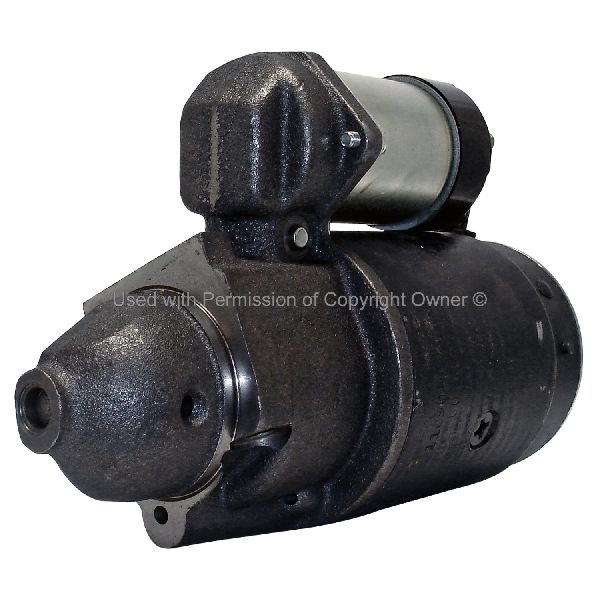
Original OEM starters from the 1950s-80s are long gone. Today's market consists of new and remanufactured aftermarket parts that often exceed original specifications. They fall into a few quality tiers.
Good: Standard Replacement
These starters are designed to be direct, affordable replacements for the original factory part. They are a great choice for stock or lightly modified Impalas used for regular driving.
- ACDelco (Gold/Professional Remanufactured): As GM's own parts brand, ACDelco offers remanufactured starters that are a reliable, cost-effective choice for a stock replacement.
- MPA (Quality-Built): MPA positions its starters as meeting or exceeding original equipment specifications. They are a solid, widely available option for a standard replacement.
Better: High-Torque / Budget Performance
These starters offer an upgrade over stock, usually in a smaller, lighter "mini-starter" package. They provide more cranking power, which is helpful for engines with higher compression or for fighting heat soak.
- Proform: Proform offers high-torque mini-starters that are powerful and provide excellent header clearance. However, owner reviews are mixed, with some reporting premature failures. They can be a good budget performance option, but be aware of potential quality inconsistencies.
Best: High-Performance & Durability
For modified engines, show cars, or owners who want the most reliable and powerful option to eliminate issues like heat soak, this is the tier to shop in.
- Powermaster: A very popular brand in the classic car community, Powermaster starters are known for being powerful, lightweight, and reliable. Many models are "clockable," meaning you can rotate the body for maximum clearance around headers. While some failures have been reported, their performance and features make them a top choice.
- ACDelco (Gold/Professional New): A brand-new starter from ACDelco provides the peace of mind of all-new components built to modern standards, ensuring excellent fit and function.
| Part Type | Estimated Cost | Notes |
|---|---|---|
| New Aftermarket | $66 - $384 | Wide range from standard replacements to high-torque performance models. |
| Remanufactured Aftermarket | $50 - $150 | A cost-effective option for stock applications. |
| Shop Labor | $120 - $250 | Typically 1-1.5 hours of labor. |
Frequently Asked Questions
Can I replace the starter myself?
Yes, for most owners with basic mechanical skills and tools, this is a very DIY-friendly job. The process involves safely raising the vehicle, disconnecting the battery, removing two wires and two bolts from the starter. It typically takes about one to two hours.
What is a "mini-starter" and should I get one?
A mini-starter, or gear-reduction starter, is a modern design that is smaller, lighter, and often more powerful than the large, original-style starters. They are an excellent upgrade, especially if you have aftermarket headers (for clearance) or a high-compression engine (for more cranking torque).
Do I need to shim my new starter?
Sometimes. A shim is a thin piece of metal that adjusts the distance between the starter gear and the flywheel. If you hear a grinding or whining noise after installation, you may need to add or remove shims. Many new starters come with shims and instructions. The goal is to have a small amount of clearance (about the thickness of a paperclip) between the gears when engaged.
Could my starting problem be a bad flywheel?
Yes. If the teeth on your flywheel (or flexplate) are worn or broken, a new starter may engage poorly, make a grinding noise, and fail quickly. It's always a good idea to inspect the visible teeth on the flywheel for damage when you have the old starter removed.
Technical Specifications
Primary specifications are the mounting bolt pattern (straight or staggered) and the number of teeth on the drive gear, which must correspond to the vehicle's flywheel (153-tooth or 168-tooth). For performance applications, consider gear reduction ratio (e.g., 4.41:1) and torque output.
We Have This Part in Stock

The information in this article is provided for general reference and educational purposes only. Vehicle specifications, procedures, and part compatibility can vary by production date, trim level, and region. Always consult your vehicle's factory service manual and verify part numbers before purchasing or performing repairs. Safety-critical components such as airbags, seat belts, and braking systems should be installed by a qualified professional.
- 🛍️ Shop This Part
- Is Your Impala's Starter Failing?
- Critical Fitment Check: 153-Tooth vs. 168-Tooth Flywheel
- Known Issue: Starter Heat Soak
- Choosing the Right Aftermarket Starter for Your Impala
- Good: Standard Replacement
- Better: High-Torque / Budget Performance
- Best: High-Performance & Durability
- Frequently Asked Questions
- 🎟️ Get 5% Off