

Accessory Drive V-Belts for the 1959-1963 Buick Electra
Keep your classic Electra's accessories running smoothly by choosing the right V-belt.
- Your Electra uses multiple V-belts, not a single serpentine belt. You must buy the correct belt for each specific accessory (generator, power steering, A/C).
- Verify your car's exact accessories before ordering. A car without A/C uses different belts than one with A/C.
- Squealing noises, visible cracks, and dimming lights are all warning signs that your belts need inspection and likely replacement.
- Modern aftermarket brands like Gates, Continental, and Dayco offer superior materials and reliability compared to original 60-year-old technology.
Understanding Your Electra's V-Belt System
The Buick "Nailhead" V8 engine in your 1959-1963 Electra was built with a simple and reliable multi-belt system. Unlike a modern car that uses a single, flat, ribbed serpentine belt, your classic uses several V-shaped rubber belts. Each belt might drive one or two accessories. This means you'll have separate belts for components like the generator, power steering pump, and A/C. Over time, the rubber in these belts degrades from heat, oil, and use, requiring replacement.
Symptoms of a Failing Accessory Belt
Knowing the signs of a worn-out V-belt can save you from a breakdown. Don't ignore these warnings.
- Squealing Noises: A loud squeal, especially when starting the engine or during acceleration, is the most common sign of a loose or worn belt.
- Visible Damage: Inspect your belts. If you see cracks, fraying, a glazed or shiny appearance on the sides, or chunks of rubber missing, it's time for a replacement.
- Accessory Problems: If your headlights seem dim or the battery isn't staying charged, you could have a problem with the generator belt. If your engine temperature starts to climb, the water pump belt could be failing. Steering that suddenly becomes heavy indicates an issue with the power steering belt.
A Note on Ordering
The single most common mistake is ordering the wrong belt. Your Electra could have been built with different accessory combinations (with or without A/C, with or without power steering). This means there are many different belt lengths. Always verify exactly which accessories your car has and which specific belt you are replacing (e.g., "Fan and Generator" or "Power Steering") before ordering. Measuring the old belt can be a helpful, but not always reliable, final check.
Choosing the Right Aftermarket Belt
For a vehicle of this age, finding a "new old stock" (NOS) OEM belt is rare and often unnecessary for a car you plan to drive. Modern aftermarket belts from reputable brands are made from advanced EPDM rubber compounds that last longer and resist heat and oil better than the original-style neoprene belts. For a 1959-1963 Electra, a quality aftermarket V-belt is the best choice for reliability.
Brand Tiers
- Premium (Gates, Continental): Gates is a highly respected brand in the automotive world, known for its durable, high-quality belts that often meet or exceed OEM specifications. Continental (also sold as ContiTech) is another top-tier German manufacturer known for its engineering and is a frequent supplier of belts to car manufacturers. You cannot go wrong with either of these brands.
- Standard (Dayco): Dayco is a well-known American brand that produces reliable and durable belts. They are a solid, cost-effective choice and are widely available for your Electra. Forum discussions show many classic car owners use Dayco belts for years without issues.
Pro Tip: Replace in Sets
If one belt is old enough to fail, the others are likely not far behind. Since the belts are relatively inexpensive and replacing them often requires loosening the same accessories, it's good practice to replace all the accessory drive belts at the same time. This saves you time and prevents another belt from failing on you next month.
Estimated Costs
| Part | Cost |
|---|---|
| New Aftermarket V-Belt (per belt) | $2.60 - $39.77 |
| Shop Labor to Install (all belts) | $75 - $150 |
Frequently Asked Questions
Do I need a serpentine belt or a V-belt?
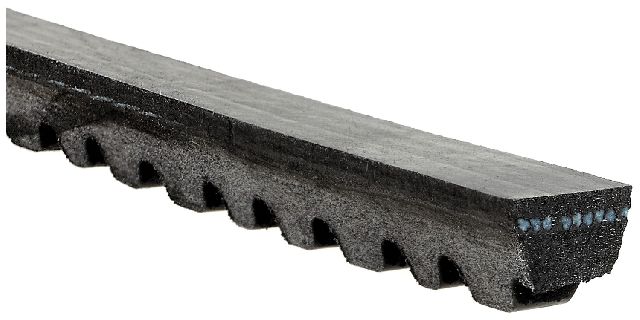
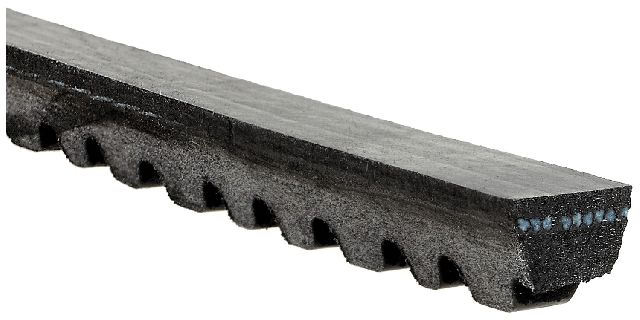
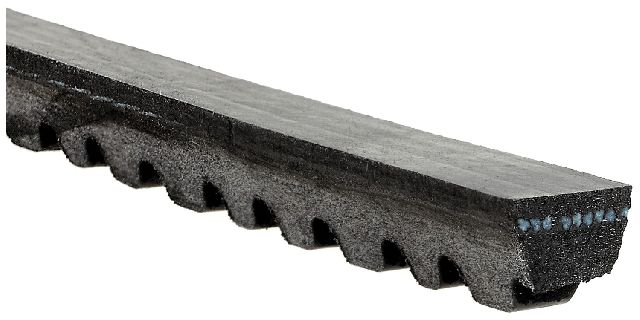
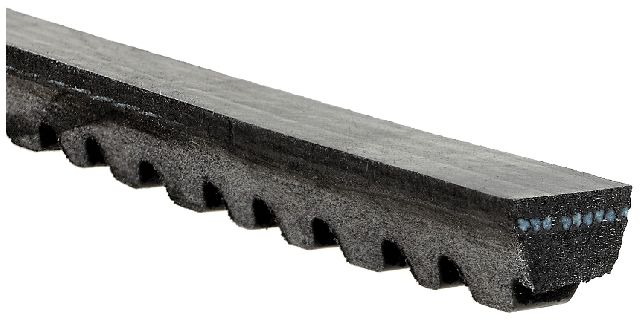
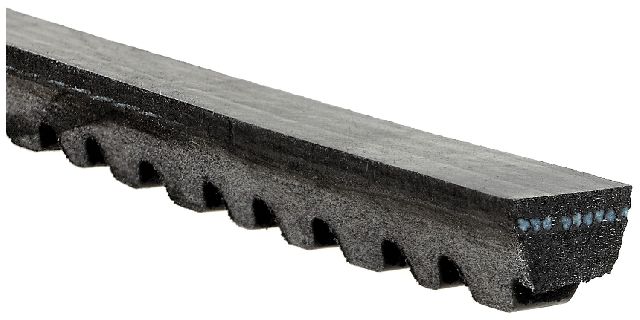
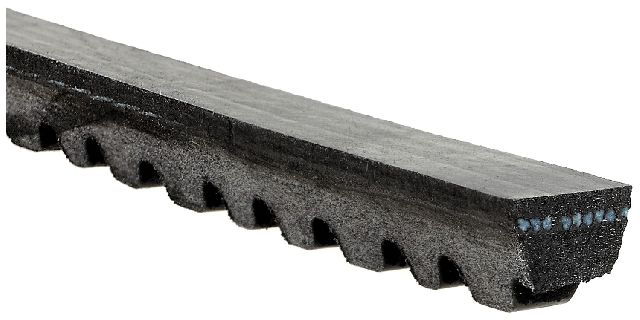
Your 1959-1963 Buick Electra uses V-belts. These are individual belts with a V-shaped profile. Serpentine belts are wide, flat, ribbed belts found on more modern vehicles and will not fit your car.
Are there any recalls for my Electra's drive belts?
No. Searches of the National Highway Traffic Safety Administration (NHTSA) database and for Technical Service Bulletins (TSBs) did not show any recalls or specific bulletins related to the accessory drive belts for the 1959-1963 Buick Electra. This is normal for a vehicle of this vintage.
Why is my new belt squealing?
A new belt can squeal if it's not tensioned correctly. V-belts on these cars are tensioned by moving the entire accessory (like the generator) and then tightening it down. If the belt is too loose, it will slip and squeal. If it's too tight, it can cause damage to the bearings in the accessory. Squealing can also be caused by a misaligned pulley or fluid contamination on the belt.
Is it hard to replace the belts myself?
For a person with basic mechanical skills and tools, replacing the V-belts on a Nailhead V8 is very achievable. It typically involves loosening the mounting bolts of an accessory, swapping the belt, and then using a pry bar to apply proper tension while re-tightening the bolts. The most important part is ensuring you have the correct belt for the correct accessory loop.
Technical Specifications
System Type: Multiple V-Belts Engine: Buick Nailhead V8 (e.g., 401 CID) Belt Material: Modern belts use EPDM rubber, an upgrade from the original neoprene. Common Brands: Gates, Dayco, Continental
We Have This Part in Stock

The information in this article is provided for general reference and educational purposes only. Vehicle specifications, procedures, and part compatibility can vary by production date, trim level, and region. Always consult your vehicle's factory service manual and verify part numbers before purchasing or performing repairs. Safety-critical components such as airbags, seat belts, and braking systems should be installed by a qualified professional.