

Accessory Drive Belt Guide for the 1959-1963 Buick LeSabre
Keep your classic Nailhead V8 running smoothly by understanding its unique V-belt system.
- Your 1959-63 LeSabre uses multiple V-belts, not a single serpentine belt.
- Check belt tension and condition regularly; look for cracks and listen for squealing.
- Replacing all belts at the same time is the best practice for reliability.
- Modern aftermarket brands like Gates, Dayco, and Continental offer excellent quality.
Understanding Your LeSabre's V-Belt System
The 1959-1963 Buick LeSabre, often powered by the venerable Nailhead V8 engine, uses a straightforward but crucial accessory drive system. Instead of a single, wide, flat serpentine belt found on newer cars, this classic uses multiple V-shaped belts. Each belt fits into a V-shaped groove on the pulleys for the crankshaft, water pump, generator, power steering pump, and A/C compressor. This design was the standard for decades and is very reliable when properly maintained.
Symptoms of a Failing Accessory Drive Belt
A failing belt on your LeSabre will give you clear warning signs. Ignoring them can lead to a breakdown. Here’s what to look and listen for:
- Squealing Noises: This is the most common symptom, especially on startup or when the engine is under load (like when turning the steering wheel). The noise is caused by a loose or glazed belt slipping on the pulleys.
- Visible Wear and Tear: Inspect your belts regularly. Look for cracks, fraying, missing chunks, or a shiny, glazed appearance on the sides of the belt. Any of these signs mean it's time for a replacement.
- Accessory Malfunctions: If a belt is too loose or breaks, the component it drives will stop working. You might notice a dimming of the headlights (generator belt), difficulty steering (power steering belt), or the engine overheating quickly (fan/water pump belt).
Critical Failure Warning
If the belt that drives the water pump and fan fails, your engine will overheat very quickly. Pull over immediately and shut off the engine to prevent severe damage.
Choosing the Right Aftermarket Belts
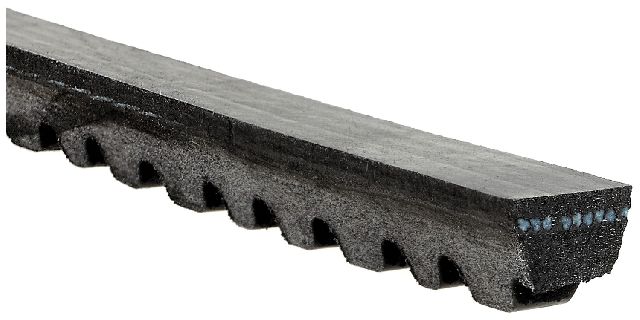
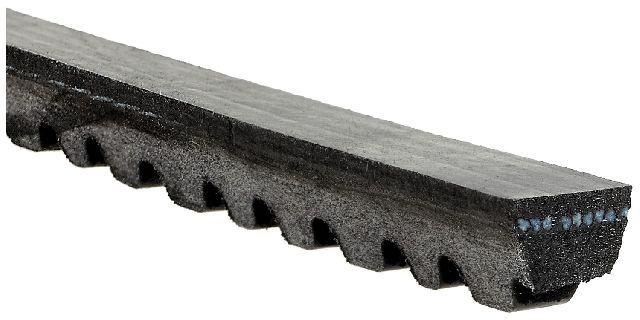
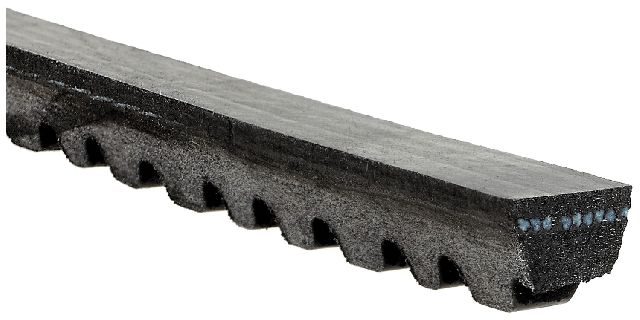
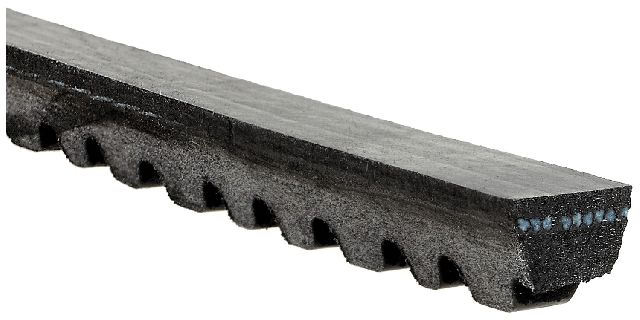
For a vehicle of this age, "OEM" belts from Buick are no longer available. However, modern aftermarket belts from reputable brands are made with superior materials like EPDM rubber, which lasts longer and resists cracking better than the original neoprene belts. Brands like Gates, Dayco, and Continental are all excellent choices.
- Good Tier (Economy): Standard belts from any of the major brands will perform well. They are affordable and readily available.
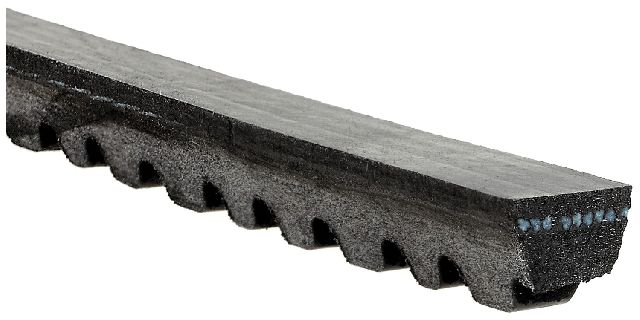
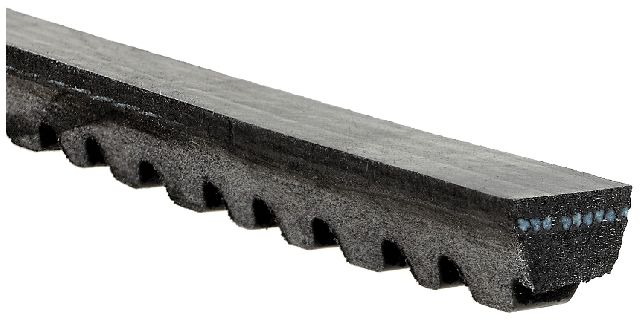
- Better Tier (Premium): Look for premium options like Dayco's Top Cog or Gates' heavy-duty belts. These sometimes feature a cogged design for better flexibility and heat dissipation, or advanced rubber compounds for longer life.
- Best Tier (Performance): While not necessary for a stock LeSabre, performance-oriented belts like the Gates RPM or blue Kevlar belts offer the highest level of durability, but are generally overkill for this application.
The biggest challenge is not choosing a brand, but ensuring you get the correct length and width for each accessory on your specific car. A LeSabre with A/C and power steering will have a different number and size of belts than a base model. Always measure your old belts or use a part number cross-reference if possible.
| Brand Tier | Price Range (per belt) |
|---|---|
| Standard (Dayco, Gates, Continental) | $7.35 - $18.00 |
| Premium (Dayco Top Cog, Gates Heavy-Duty) | $18.01 - $39.61 |
Frequently Asked Questions (FAQ)
How many accessory belts does my 1959-1963 LeSabre have?
It depends on the options. A base model might have only one or two belts for the generator and water pump. A fully-optioned car with power steering and air conditioning could have three or four separate V-belts. You must check your specific engine configuration.
Can I replace these belts myself?
Yes, this is a very DIY-friendly job for a classic car. The process involves loosening the bolts on an accessory (like the generator) to create slack, removing the old belt, fitting the new one, and then tensioning the belt by prying the accessory back before tightening the bolts. No special tools are usually required beyond standard wrenches and a pry bar.
How do I know if the belt is tight enough?
A common rule of thumb for V-belts is that you should be able to twist the belt about a quarter turn (90 degrees) with your fingers at the longest point between pulleys. It should not feel loose, but it also shouldn't be banjo-string tight, as over-tightening can damage the bearings in your accessories.
Should I replace all the belts at once?
It is highly recommended. If one belt is old enough to fail, the others are likely in similar condition. Replacing them all at the same time saves you from having to do the job again in the near future and ensures the entire system is reliable.
Technical Specifications
System Type: Multiple V-Belt System
We Have This Part in Stock

The information in this article is provided for general reference and educational purposes only. Vehicle specifications, procedures, and part compatibility can vary by production date, trim level, and region. Always consult your vehicle's factory service manual and verify part numbers before purchasing or performing repairs. Safety-critical components such as airbags, seat belts, and braking systems should be installed by a qualified professional.