

A Guide to the Mechanical Fuel Pump for the 1959-1963 Ford Custom
Understand the signs of a failing fuel pump and how to choose the right aftermarket replacement for your classic Ford.
- A failing fuel pump causes sputtering, power loss, stalling, or a no-start condition.
- Aftermarket quality is inconsistent; choosing a reputable brand like Delphi is recommended for better reliability.
- Before installing a new pump, inspect the fuel tank and lines for rust and debris to prevent premature failure of the new part.
- Replacement is a simple DIY job for most owners, typically taking under two hours with basic hand tools.
Is Your Ford Custom's Fuel Pump Failing?
A bad fuel pump will starve your engine of gas. The symptoms can be subtle at first but will worsen over time, eventually leading to a no-start condition that will leave you stranded. Recognizing the early signs is key 🎬 Watch this guide on diagnosing and troubleshooting mechanical fuel pumps. to keeping your classic on the road.
Common Failure Symptoms
- Engine Sputtering or Hesitation: When you press the gas pedal, the engine may stumble or hesitate because the pump can't deliver the extra fuel required for acceleration.
- Loss of Power: You might notice your Custom struggling to climb hills or feeling sluggish under load. This happens because the weak pump can't keep up with the engine's demand for fuel.
- Rough Idle: An inconsistent fuel supply from a failing pump can cause the engine to shake or run unevenly when the car is stopped.
- Stalling: The engine may die unexpectedly, especially when it's hot, and might only restart after it has had time to cool down.
- Engine Cranks but Won't Start: If the pump has failed completely, no fuel will reach the carburetor, and the engine cannot start or run.
- Visible Fuel Leaks: Gasoline leaking from the pump's body or fittings is a critical failure. This is a major fire hazard and requires immediate attention.
Vapor Lock vs. Bad Fuel Pump
On hot days, your Custom might experience "vapor lock," where the gasoline in the fuel lines boils. This can create symptoms like stalling and power loss, mimicking a bad fuel pump. Modern ethanol-blended fuels have a lower boiling point, making this issue more common in classic cars. If these problems only occur when the engine is hot, vapor lock could be the culprit.
Choosing a New Aftermarket Fuel Pump
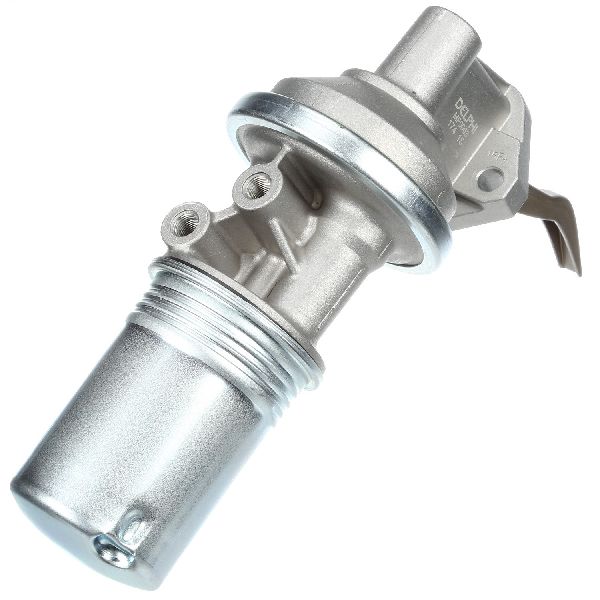
Original Equipment (OEM) fuel pumps for a 1959-1963 Ford are no longer manufactured. Your only option is a new aftermarket part. The quality of these parts can vary significantly, and forum discussions among classic car owners show that some have had issues with new pumps failing prematurely. Choosing a reputable brand is important.
Aftermarket Brand Tiers
- Tier 1 (Reputable Aftermarket): Delphi - Delphi is a well-regarded OEM and aftermarket supplier known for reliable fuel system components. In forums, Delphi is often recommended as a quality replacement over store-brand parts that may fail within months.
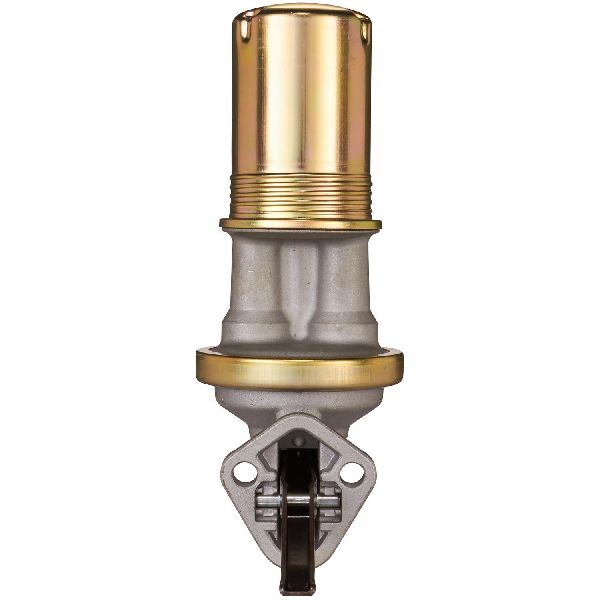
- Tier 2 (Standard Aftermarket): GMB, Spectra - GMB and Spectra are common aftermarket brands that offer a balance of affordability and performance. While generally reliable, some owners have reported mixed experiences with longevity compared to premium brands. It's a crapshoot as to quality on many parts these days.
Before installing a new fuel pump, it's crucial to inspect your fuel tank and lines for rust and debris. Contaminants from an old tank can be sucked into the new pump, causing it to fail quickly. Many owners recommend replacing the flexible fuel hoses and the fuel filter at the same time as the pump.
Replacement Cost
Replacing the mechanical fuel pump on a 1959-1963 Ford Custom is a straightforward job for a DIY mechanic. The part itself is affordable, and labor costs are minimal due to the easy access on the side of the engine.
| Item | Estimated Cost |
|---|---|
| New Aftermarket Mechanical Fuel Pump | $64 - $179 |
| Shop Labor | $100 - $200 |
| Total Estimated Cost | $164 - $379 |
Frequently Asked Questions
Can I replace the fuel pump myself?
Yes, this is a very DIY-friendly job. The fuel pump is typically held on by only two bolts. The main challenge is ensuring the pump's actuator arm is correctly positioned on the camshaft lobe. 🎬 See a step-by-step demonstration of installing a Ford fuel pump. You may need to manually rotate the engine to get it aligned.
Why did my new fuel pump fail so quickly?
This is a common complaint in classic car forums. The two main reasons are inconsistent quality of some aftermarket pumps and underlying issues with the fuel system. Rust or dirt from an old fuel tank can get into the new pump and destroy its internal diaphragm. Always ensure your fuel tank and lines are clean when replacing a pump.
Are modern fuels with ethanol safe for these pumps?
Modern fuels containing alcohol can corrode components in older fuel systems and cause the diaphragm inside a mechanical pump to fail prematurely. Some aftermarket pumps are made with modern materials designed to resist ethanol, but it's a known issue for classic cars. If possible, using non-ethanol gasoline is preferable.
Should I switch to an electric fuel pump?
Some owners opt to replace the mechanical pump with an electric one to solve issues like vapor lock or to get more consistent fuel delivery. However, this is not a simple bolt-on change. It requires proper mounting near the tank, wiring, and often a fuel pressure regulator to avoid overpowering the carburetor. For a stock vehicle, a high-quality mechanical pump is usually the most reliable and straightforward choice.
🎬 Compare the pros and cons of mechanical versus electric pumps.Helpful Videos

Technical Specifications
Camshaft-driven mechanical pump, low pressure (approx. 5-6 PSI), diaphragm-type, typically 2-port (inlet/outlet).
We Have This Part in Stock

The information in this article is provided for general reference and educational purposes only. Vehicle specifications, procedures, and part compatibility can vary by production date, trim level, and region. Always consult your vehicle's factory service manual and verify part numbers before purchasing or performing repairs. Safety-critical components such as airbags, seat belts, and braking systems should be installed by a qualified professional.