

Ford Custom Radiator Coolant Hose Guide (1959-1963)
Keep your classic Ford Custom from overheating with the right radiator hoses.
- A failing radiator hose is a critical issue that can cause severe engine damage from overheating.
- Inspect hoses for leaks, cracks, bulges, or a spongy feel. Replace them immediately if you find any of these signs.
- Always use new, molded aftermarket hoses from reputable brands like Gates or Dayco; avoid NOS or used hoses as rubber degrades over time.
- It is best practice to replace both the upper and lower radiator hoses at the same time.
Signs of a Failing Radiator Hose
On a classic car like the 1959-1963 Ford Custom, rubber parts are often the first to fail due to age. It's important to inspect your radiator hoses regularly. A failed hose can cause your engine to overheat, which can lead to serious and expensive damage. Look for these common signs that your hoses need to be replaced:
- Coolant Leaks: This is the most obvious sign. You might see puddles of green, yellow, or blue fluid under your car. You may also notice a sweet smell after driving. Check around the hose clamps and along the length of the hose for drips or stains.
- Visible Damage: Look for cracks, splits, or abrasions on the hose surface. Hoses that rub against other engine parts can wear down over time.
- Swelling or Bulging: If a hose looks swollen or has a bulge, it's a sign of internal failure, often caused by heat or oil contamination. A swollen hose is weak and could burst at any time.
- Spongy or Hard Texture: When the engine is cool, squeeze the hoses. They should feel firm but flexible. If a hose feels mushy, spongy, or rock-hard and crunchy, its internal structure is breaking down and it needs to be replaced. 🎬 Watch: A quick guide on how to check radiator hoses.
- Engine Overheating: If your temperature gauge climbs into the hot zone, a bad hose could be the cause. A collapsed lower hose can restrict coolant flow, leading to overheating, especially at higher engine speeds.
Don't Ignore the Signs
A leaking or damaged radiator hose is a critical issue. Continuing to drive can lead to complete engine failure. If you notice any symptoms, it's best to stop driving the car until the hose is replaced.
Choosing the Right Aftermarket Hose
For a vintage vehicle like the 1959-1963 Ford Custom, finding original "New Old Stock" (NOS) Ford hoses is nearly impossible and not recommended. Rubber degrades over time, even in storage. A brand-new aftermarket hose is the safest and most reliable choice.
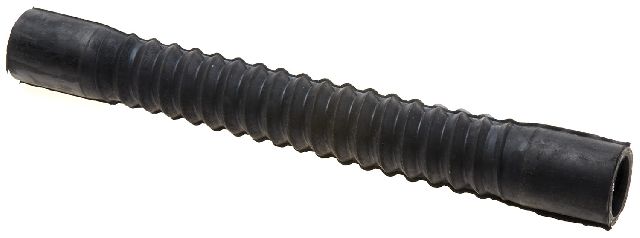
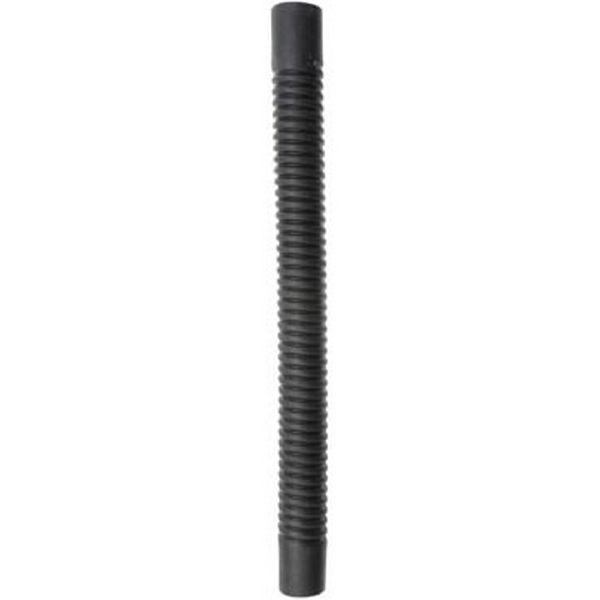
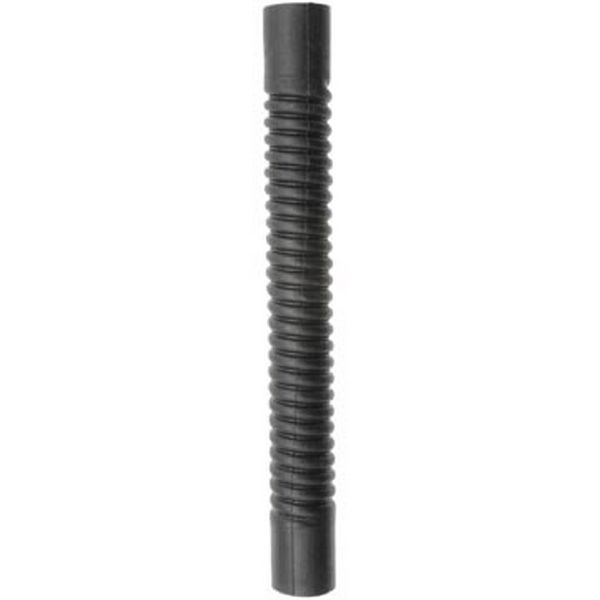
Your main choices will be between established brands like Dayco and Gates. Both are known for making quality replacement parts. Forum discussions among classic car owners show that both brands are generally considered reliable. The most important factor is getting a molded hose that fits correctly, as this prevents stress on the radiator and water pump connections. Avoid using universal flexible hoses if possible, as they can kink and restrict flow.
- Gates: Often considered a top-tier aftermarket brand. Many users report excellent fit and material quality.
- Dayco: A solid and reliable option. Some users note that Dayco hoses can be slightly thicker than Gates, but both perform well.
Pro Tip: Replace in Pairs
It's a good practice to replace both the upper and lower radiator hoses at the same time. If one hose has failed due to age, the other is likely not far behind. Also, consider replacing the hose clamps with new ones to ensure a tight seal.
Radiator Hose Replacement Cost for 1959-1963 Ford Custom
The cost to replace radiator hoses is relatively low, especially if you do the work yourself. The parts are affordable, and the job is straightforward for a home mechanic.
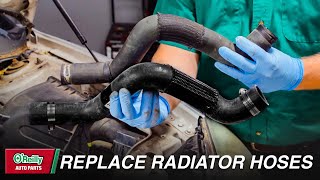
🎬 See this walkthrough on replacing upper and lower radiator hoses.| Part Type | Estimated Cost |
|---|---|
| New Aftermarket Hoses (Dayco, Gates) | $21.65 - $36.86 (per hose) |
| Shop Labor | $100 - $200 |
| Total Estimated Cost | $145 - $275 |
Cost estimates are for reference only and may vary based on location and specific vehicle configuration.
Frequently Asked Questions (FAQ)
How many radiator hoses does my Ford Custom have?
Your Ford Custom will have at least two primary radiator hoses: an upper hose that connects the thermostat housing to the top of the radiator, and a lower hose that connects the bottom of the radiator to the water pump. Depending on your engine and options, you may also have smaller bypass or heater hoses that are part of the cooling system.
Do I need a spring in the lower radiator hose?
Yes, for many classic cars, a spring inside the lower radiator hose is important to prevent it from collapsing under the suction of the water pump at high RPMs. While many new aftermarket hoses are designed to resist collapse without a spring, it's best to use one if the original design called for it. You can often reuse the spring from your old hose if it's in good condition.
Can I use a universal flexible hose?
It is highly recommended to use a pre-molded hose made specifically for your vehicle. Universal or "flex" hoses can be difficult to route properly, may kink easily, and can restrict coolant flow, leading to overheating. A molded hose is designed with the correct bends to ensure perfect fit and function.
What type of coolant should I use in my 1959-1963 Ford Custom?
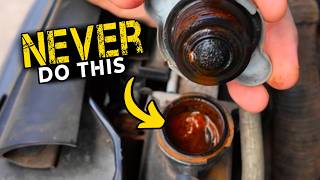
For classic cars of this era, a conventional green or yellow ethylene glycol-based coolant is typically recommended. Always mix it with distilled water, usually at a 50/50 ratio, unless you buy a pre-mixed formula. 🎬 Learn how to restore and flush a filthy coolant system. Check your vehicle's service manual for specific recommendations.
Helpful Videos
Technical Specifications
Vehicle-specific molded rubber construction. Typically includes an upper and a lower hose. The lower hose may require an internal anti-collapse spring.
We Have This Part in Stock

The information in this article is provided for general reference and educational purposes only. Vehicle specifications, procedures, and part compatibility can vary by production date, trim level, and region. Always consult your vehicle's factory service manual and verify part numbers before purchasing or performing repairs. Safety-critical components such as airbags, seat belts, and braking systems should be installed by a qualified professional.