

Brake Master Cylinder Guide for the 1959-1966 Cadillac DeVille
Keep your classic Cadillac stopping safely and reliably with the right brake master cylinder.
- The biggest safety upgrade you can make is converting from a single reservoir (1959-61) to a dual reservoir master cylinder.
- You must identify your power brake system (Bendix or Delco Moraine) before ordering to ensure the new part will bolt on correctly.
- If your old master cylinder was leaking from the back, you must inspect the power brake booster for contamination and likely replace it too.
- New aftermarket parts from brands like Centric, Dorman, and Raybestos are a reliable and affordable choice for these vehicles.
Is Your DeVille's Master Cylinder Failing?
A failing brake master cylinder on a classic Cadillac is a serious safety issue. Because these cars are heavy, any loss in braking performance is immediately noticeable and dangerous. If you notice any of these symptoms, inspect your brake system immediately.
- Spongy or Mushy Brake Pedal: If your brake pedal feels soft or goes down further than usual, it's a classic sign of a master cylinder problem. This could be caused by air in the system or internal seals wearing out.
- Brake Fluid Loss: Check for brake fluid leaks on the firewall behind the master cylinder or inside the car near the brake pedal. A common failure point is the rear seal, which can leak fluid into the power brake booster, causing booster failure as well.
- Brake Pedal Slowly Sinks: If you hold your foot on the brake pedal and it slowly sinks to the floor, the master cylinder is likely bypassing fluid internally.
- Contaminated Brake Fluid: Dark, dirty, or rusty-looking brake fluid can indicate that seals are breaking down and the inside of the cylinder is corroded.
- Brakes Dragging or Sticking: In some cases, a faulty master cylinder may not release pressure properly, causing the brakes to drag. This can happen when the engine bay gets hot, causing fluid to expand without being able to return to the reservoir.
Important: Single vs. Dual Reservoir Systems
The most important factor when buying a master cylinder for your 1959-1966 DeVille is understanding which system your car has. This period saw a major safety transition in brake technology.
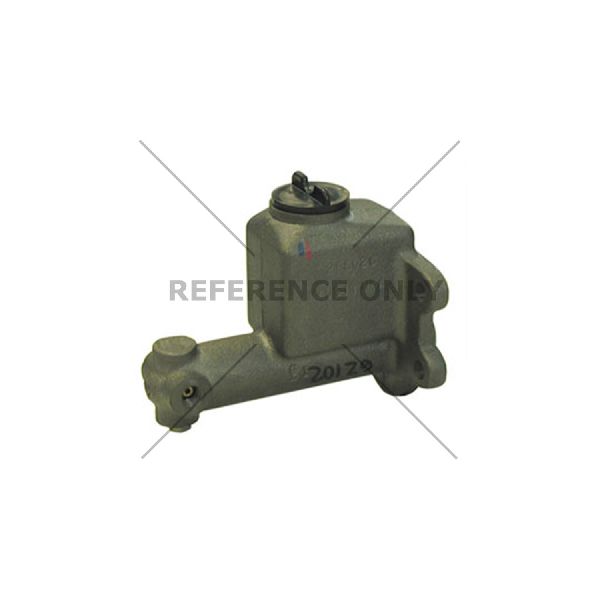
- 1959-1961 (Single Reservoir): Most early models in this range came with a single reservoir master cylinder, often called a "single pot" or "fruit jar" style. This design uses one chamber to supply fluid to all four wheels. The major drawback is that a single leak in any part of the brake system can lead to a complete loss of braking power.
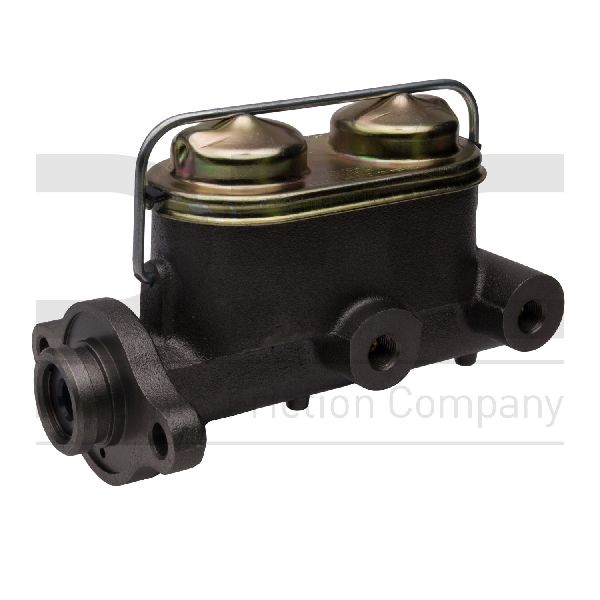
- 1962-1966 (Dual Reservoir): Starting around 1962, Cadillac began using safer dual reservoir master cylinders. These have two separate chambers—one for the front brakes and one for the rear. If a leak occurs in one half of the system, you will still have braking ability in the other half, allowing you to stop the car safely.
Safety Upgrade
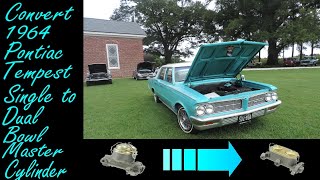
Many owners of 1959-1961 models choose to upgrade to a dual reservoir master cylinder for a significant safety improvement. Kits are available for this conversion, and a popular method involves using a master cylinder from a 1967-1968 Cadillac. This often requires minor modifications, like slightly enlarging the mounting holes on the firewall.
Choosing the Right Aftermarket Part
For a vehicle of this age, new aftermarket parts are a reliable and cost-effective choice. The original master cylinders are often corroded beyond repair, and a brand new unit provides peace of mind. The brands available—Centric, Dorman, Dynamic Friction, and Raybestos—are all established aftermarket manufacturers. For this application, they are generally considered comparable standard-quality replacements. There is no significant performance or quality difference noted among them for this specific vehicle. The most important factor is ensuring you buy the correct part for your car's year and specific brake system (Bendix or Delco Moraine).
Aftermarket Brand Tiers
| Tier | Brands | Quality & Notes |
|---|---|---|
| Standard Replacement | Centric, Dorman, Dynamic Friction, Raybestos | These brands offer new (not remanufactured) master cylinders that are designed to meet or exceed original specifications. They are a reliable choice for daily drivers and restorations where strict originality is not the primary goal. Ensure the part matches your vehicle's specific power brake system (Bendix or Delco Moraine). |
Cost of Replacing Your Master Cylinder
The cost to replace a brake master cylinder on a 1959-1966 DeVille is reasonable, especially when using new aftermarket parts.
| Item | Estimated Cost |
|---|---|
| New Aftermarket Master Cylinder | $76.79 - $111.26 |
| Shop Labor | $150 - $300 |
| Total Estimated Cost | $227 - $411 |
Costs are estimates and can vary based on your location and the specific rates of your auto shop. This does not include the cost of brake fluid or potential replacement of the power brake booster if it has been contaminated by a leak.
Frequently Asked Questions
Should I upgrade my 1959-1961 DeVille to a dual reservoir master cylinder?
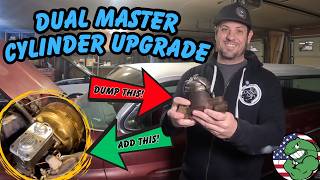
For safety, yes. This is a highly recommended upgrade. 🎬 Watch: Why a dual master cylinder upgrade is safer A dual reservoir system separates the front and rear brakes, so a single leak won't cause a total brake failure. It's a modification that keeps the car looking stock while providing modern safety standards.
How do I know if I have a Bendix or Delco Moraine power brake system?
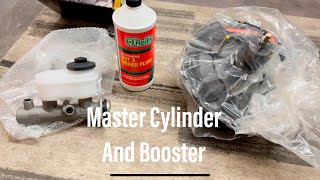
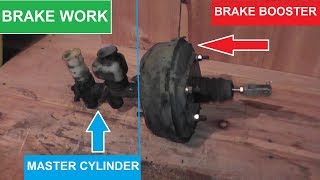
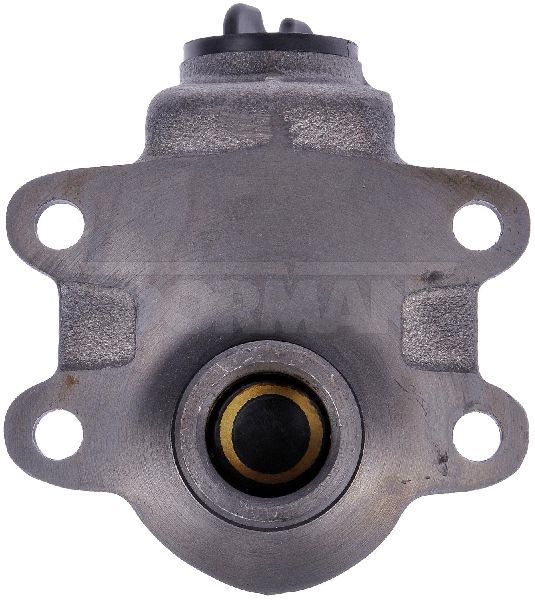
The key difference is often in how the master cylinder mounts to the power brake booster. For example, on 1963 models, the Bendix system used a 4-bolt master cylinder, while the Delco Moraine used a 2-bolt design. It is critical to visually inspect your current setup and order the corresponding replacement part to ensure proper fitment.
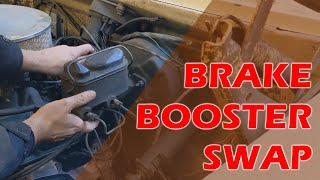
🎬 See a 1963 Cadillac master cylinder and booster installationCan I replace the master cylinder myself?
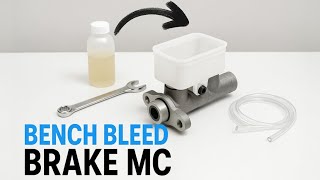
If you are an experienced home mechanic comfortable with brake work, this is a feasible DIY job. It requires bench bleeding the new master cylinder before installation, 🎬 Watch: How to bench bleed your new master cylinder careful removal and installation of brake lines (using a flare nut wrench is highly recommended to avoid stripping fittings), and bleeding the entire brake system afterward. If you have any doubts, brake system repair is best left to a professional.
Do I need to replace my power brake booster at the same time?
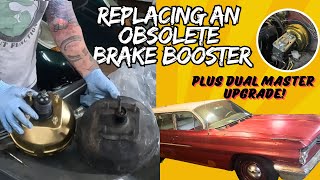
Not necessarily, but you must inspect it. If the master cylinder has been leaking fluid from its rear seal, there is a very high chance that brake fluid has entered the booster. Brake fluid is very corrosive and will destroy the rubber diaphragm inside the booster, leading to its failure. If you see any evidence of fluid inside the booster, it must be replaced.
Helpful Videos
Technical Specifications
OEM Part Numbers: 5461183
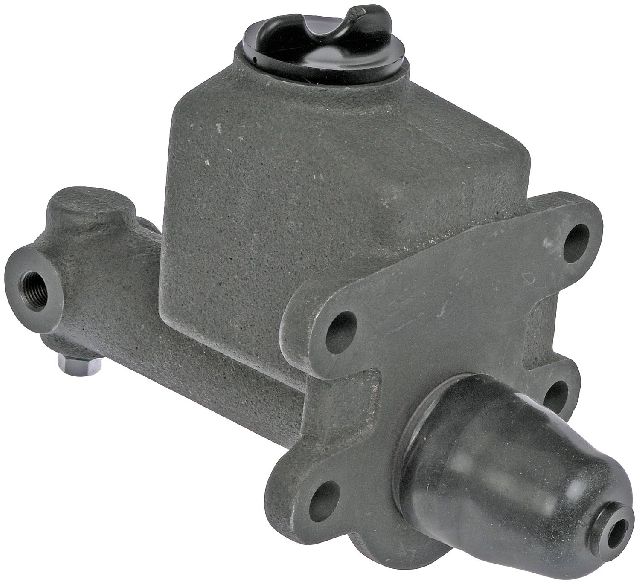
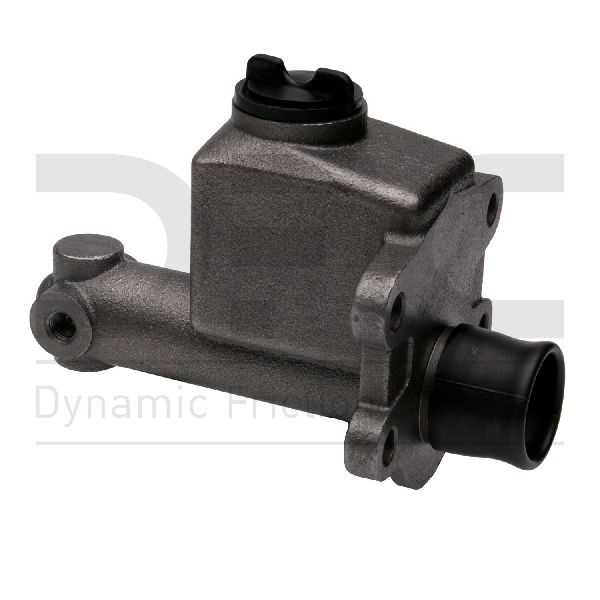
Bore Diameter: 1.00 inch. Material: Cast Iron. Number of Outlets: 1 (single reservoir) or 2 (dual reservoir). Reservoir Included: Yes.
We Have This Part in Stock

The information in this article is provided for general reference and educational purposes only. Vehicle specifications, procedures, and part compatibility can vary by production date, trim level, and region. Always consult your vehicle's factory service manual and verify part numbers before purchasing or performing repairs. Safety-critical components such as airbags, seat belts, and braking systems should be installed by a qualified professional.