

Pontiac Catalina Drum Brake Wheel Cylinder: 1959-1966
A complete guide to replacing the drum brake wheel cylinders on your classic 1959-1966 Pontiac Catalina.
- This is a safety-critical repair. Do not drive a Catalina with a suspected leaking or seized wheel cylinder.
- Always replace wheel cylinders in pairs on the same axle to ensure even braking.
- Verify the correct bore size for your specific year and whether you are replacing front or rear cylinders before purchasing.
- Use a flare nut wrench when removing the brake line to avoid stripping the fitting, and be prepared to bleed the entire brake system after installation.
Symptoms of a Failing Wheel Cylinder
On a classic car like the 1959-1966 Pontiac Catalina, wheel cylinders fail in two main ways: leaking or seizing. A car that has been sitting for a long time is especially prone to seized cylinders. Look for these key symptoms:
- Spongy or Soft Brake Pedal: If the pedal feels mushy or goes down further than usual, it's often the first sign of a problem. This can be caused by air getting into the system through a leaking seal.
- Visible Brake Fluid Leaks: Check the inside of your tires and wheels for wetness. A leaking wheel cylinder will drip brake fluid onto the brake assembly, which then often runs down the inner side of the tire. You may also see a gooey, greasy substance on the brake components if the leak is slow and has mixed with brake dust.
- Low Master Cylinder Fluid: If you have to top off your brake fluid regularly, there is a leak somewhere in the system. The wheel cylinders are a very common culprit.
- Brakes Pulling to One Side: If a cylinder on one side is leaking or seized, it won't apply the same pressure as the other side, causing the car to pull left or right when you brake.
Safety First: A Critical Part
A failing wheel cylinder is a critical safety issue. A sudden failure can lead to a complete loss of braking on that wheel or axle. Do not drive your vehicle if you suspect a wheel cylinder has failed.
Choosing the Right Aftermarket Wheel Cylinder
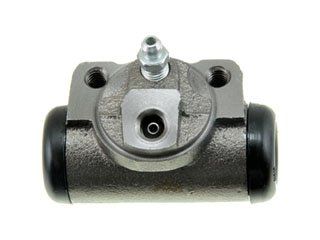
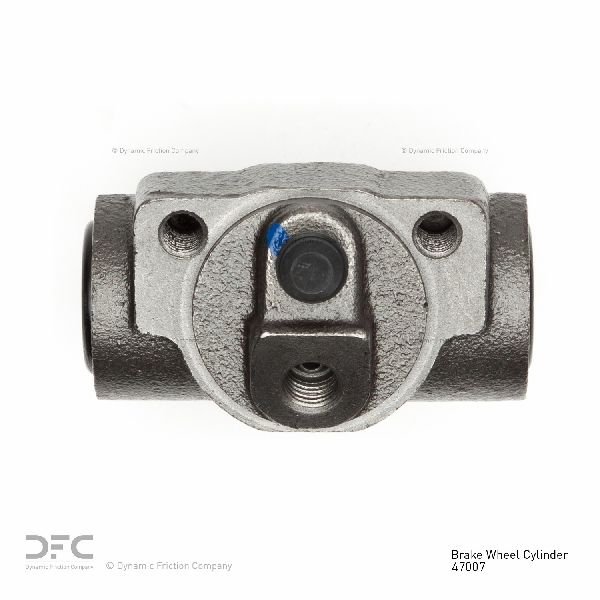
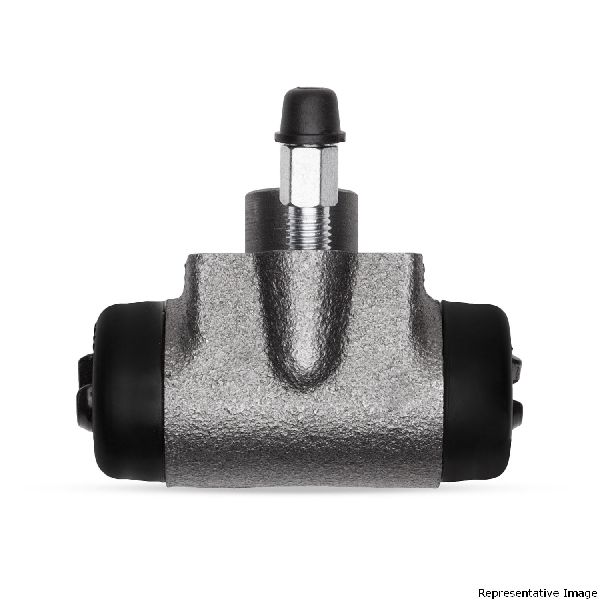
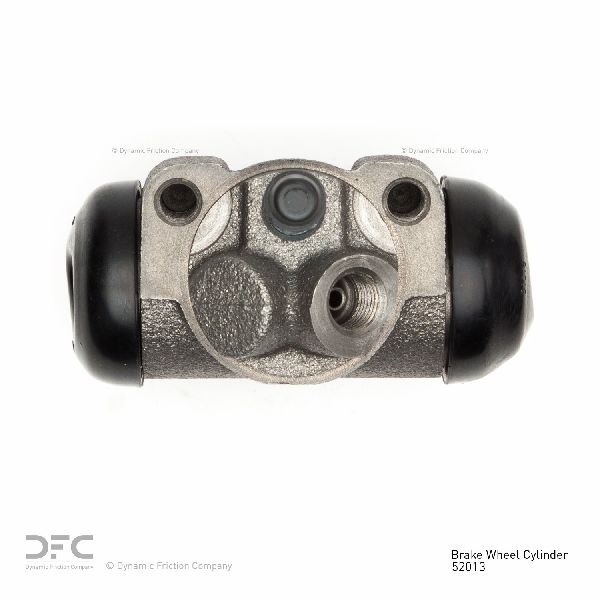
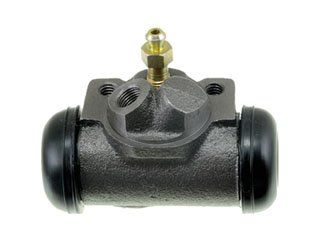
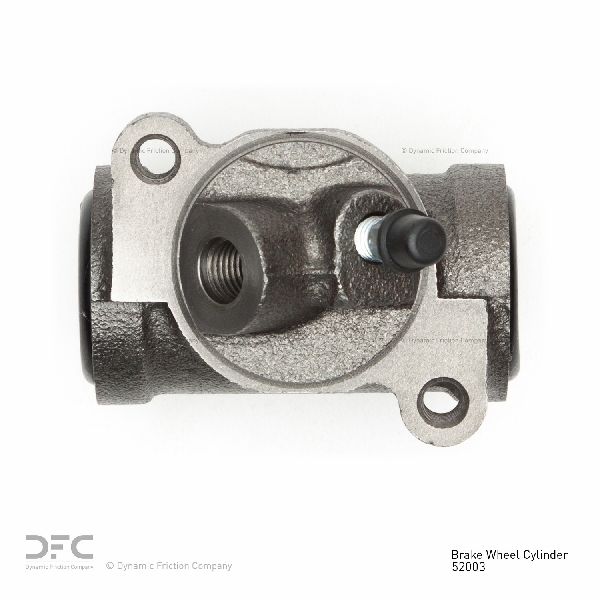
For a 1959-1966 Pontiac, new Original Equipment Manufacturer (OEM) parts are no longer available. The market consists entirely of new aftermarket parts. Fortunately, these are affordable and readily available. The original parts were made of cast iron, and most quality aftermarket replacements are as well.
When choosing between brands like Centric, Dorman, Dynamic Friction, Metelli, and Raybestos, it's helpful to think in tiers. For a classic car, the primary difference is often quality control rather than a specific feature.
- Standard Replacement (Centric, Dorman, Dynamic Friction): These brands offer a good balance of price and quality for a daily driver or a car that's driven regularly. They are manufactured to meet or exceed original specifications and are a reliable choice for most owners.
- Premium Replacement (Raybestos, Metelli): Brands like Raybestos have a long history in the brake industry. While most parts are now globally sourced, these premium lines often have more stringent quality control, which can be important for a part that is so critical to safety. For a car that is being restored to a high standard or will see occasional but spirited driving, opting for a premium brand can provide extra peace of mind.
Pro Tip: Check Your Bore Size
Pontiac used different wheel cylinder bore sizes for the front and rear brakes, and sizes could vary by year. For example, some rear cylinders have a 1-inch bore, while front cylinders might be 1 3/16-inch. Always verify the correct bore size for your specific year and model (front or rear) before ordering. It is stamped on the cylinder body or available in your service manual.
Typical Replacement Costs
Replacing wheel cylinders is a relatively inexpensive repair. The parts are affordable, and the labor is straightforward for a mechanic familiar with drum brakes.
| Item | Estimated Cost |
|---|---|
| New Aftermarket Wheel Cylinder (per part) | $16.34 - $85.62 |
| Shop Labor (per axle) | $150 - $300 |
| Total Estimated Cost (per axle, parts + labor) | $185 - $475 |
Cost estimates are for one axle (both sides) and do not include shop supplies, taxes, or the cost of new brake shoes and hardware, which are often replaced at the same time.
Frequently Asked Questions
Do I have to replace wheel cylinders on both sides?
Yes. It is critical to replace wheel cylinders in pairs on the same axle (both front or both rear). This ensures even braking performance. If one has failed due to age, the other is likely not far behind.
Are the front and rear wheel cylinders the same?
No. On the 1959-1966 Catalina, the front and rear wheel cylinders have different bore sizes and are not interchangeable. You must order the correct part for the front or rear axle.
What kind of brake fluid should I use in my Catalina?
For this era of vehicle, DOT 3 brake fluid is the standard recommendation. Always use fresh fluid from a sealed container when replacing brake components and bleeding the system.
Should I replace my brake shoes and hardware at the same time?
It is highly recommended. If a wheel cylinder has been leaking, the brake fluid has almost certainly contaminated the brake shoes, rendering them ineffective. Replacing the shoes, springs, and adjusters with a hardware kit at the same time is a best practice that ensures the entire drum brake system is restored to proper working order.
Technical Specifications
Material: Cast Iron. Bore sizes vary between front and rear axles and by year. Common sizes include 1 inch and 1 3/16 inch. Verification of the correct size for your specific vehicle is required before ordering.
We Have This Part in Stock

The information in this article is provided for general reference and educational purposes only. Vehicle specifications, procedures, and part compatibility can vary by production date, trim level, and region. Always consult your vehicle's factory service manual and verify part numbers before purchasing or performing repairs. Safety-critical components such as airbags, seat belts, and braking systems should be installed by a qualified professional.