

A Guide to the Brake Master Cylinder for the 1959-1968 Cadillac Eldorado
Understanding your classic Eldorado's most critical brake component is the first step to a safe and confident stop.
- For pre-1967 models, upgrading from the original single reservoir to a dual reservoir master cylinder is the most critical safety improvement you can make.
- A spongy, soft, or sinking brake pedal is the number one symptom of a failing master cylinder.
- Always bench bleed a new master cylinder before installation to ensure all air is removed from the component itself.
- Check for brake fluid leaking into the power booster, as a bad master cylinder can damage the booster over time.
Symptoms of a Failing Brake Master Cylinder
A failing master cylinder gives clear warning signs. Ignoring them is a serious safety risk. The most common symptom is a change in how your brake pedal feels. It might feel soft, spongy, or sink slowly to the floor when you hold it down. This happens because seals inside the cylinder wear out, allowing fluid to leak internally and preventing it from building proper pressure. You might also find brake fluid leaking externally, either from the cylinder itself or dripping from the brake booster it's attached to. Other signs include contaminated, dark brake fluid or a noticeable decrease in stopping power.
Choosing the Right Aftermarket Master Cylinder
When replacing the master cylinder on your 1959-1968 Eldorado, you have a few good aftermarket options. Original OEM parts are generally not available new. The most important choice you will make is not about the brand, but about the type of cylinder you install.
The Most Important Upgrade: Single vs. Dual Reservoir
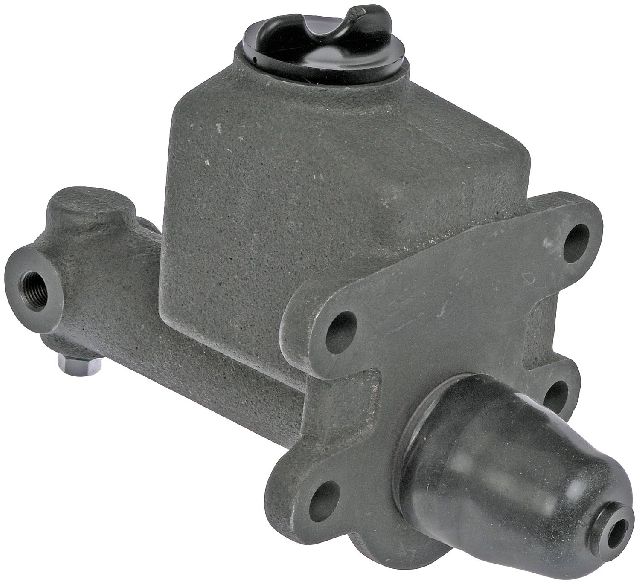
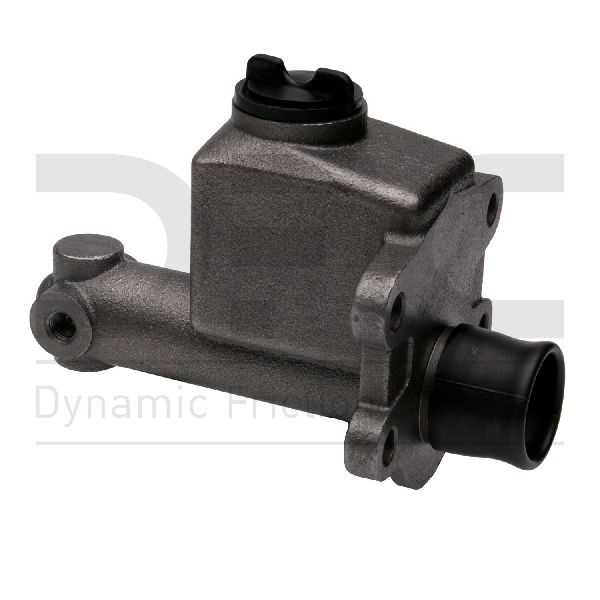
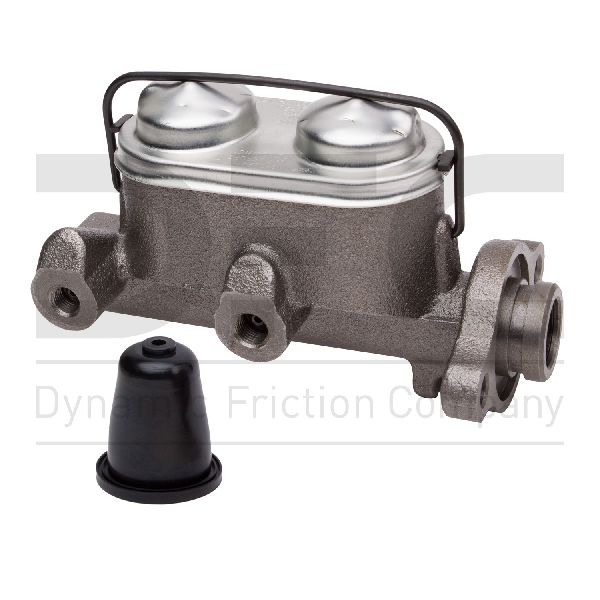
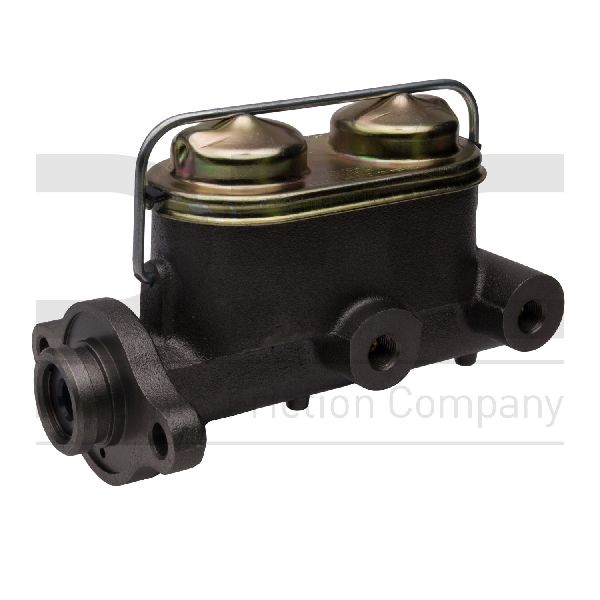
Cadillac, like all US automakers, used a single reservoir master cylinder until federal law mandated a safer design in 1967. If your Eldorado is a 1959-1966 model, it has a single reservoir system. This design is often called a "suicide cylinder" because if any single brake line or wheel cylinder fails, you will lose all braking ability. A dual reservoir master cylinder, standard on 1967-1968 models, separates the front and rear brakes. If one half of the system fails, you still have the other half to stop the car. It is strongly recommended to upgrade any pre-1967 Eldorado to a dual reservoir system for safety. Many owners successfully use a master cylinder and booster from a 1967-1968 Cadillac with four-wheel drum brakes for this conversion, which may require minor modifications to the firewall mounting holes.
Aftermarket Brand Options
For these classic Cadillacs, several brands produce reliable new replacement master cylinders. Unlike modern cars, the technology is straightforward, and quality aftermarket parts offer excellent performance and value.
- Centric: A widely available brand that offers a range of brake components. They are a common choice for restorations and repairs, providing a balance of quality and affordability.
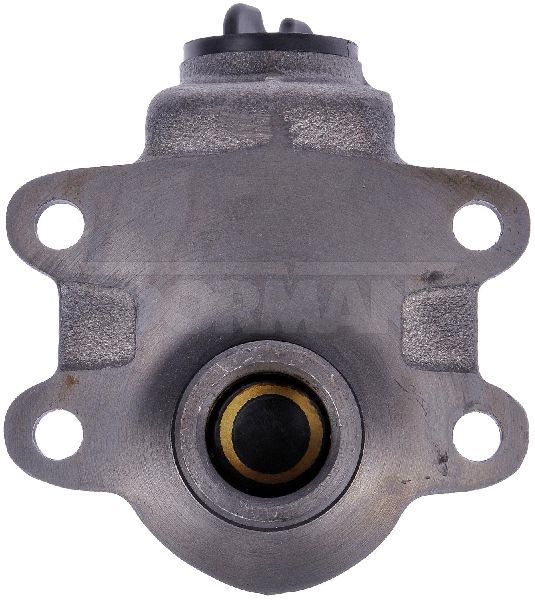
- Dorman: Dorman is well-known in the aftermarket for sometimes re-engineering parts to improve on original designs. They are a leading supplier and a dependable choice for a replacement master cylinder that meets or exceeds original specifications.
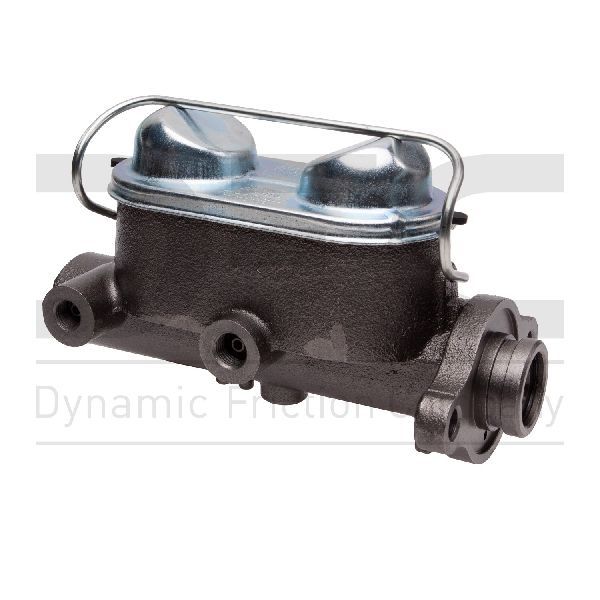
- Dynamic Friction: This brand also provides new master cylinders that serve as a direct replacement for the original unit, offering another solid option for your vehicle.
Installation Pro-Tip: Bench Bleed Your New Master Cylinder
Before installing the new master cylinder in the car, you MUST bench bleed it. This involves mounting the cylinder in a vise, filling it with fresh brake fluid, and using a tool to push the piston in and out until no more air bubbles come out of the ports. Failing to do this will introduce a large amount of air into your brake system, making it extremely difficult to bleed later and resulting in a spongy pedal.
Estimated Costs for Replacement
| Part / Service | Estimated Cost |
|---|---|
| New Aftermarket Master Cylinder | $76.79 - $148.35 |
| Shop Labor | $150 - $300 |
| Total Estimated Cost | $225 - $450 |
Cost estimates are for the part and labor for a standard replacement. A conversion from a single to dual reservoir system will cost more in labor and materials.
Frequently Asked Questions
Can I upgrade my 1962 Eldorado to a dual reservoir master cylinder?
Yes, and you absolutely should. Upgrading any 1959-1966 Eldorado from its original single reservoir master cylinder to a dual reservoir type is the single most important safety improvement you can make to the brake system. A common method involves using a master cylinder from a 1967-68 drum brake Cadillac.
What kind of brake fluid should I use in my Eldorado?
For this era of vehicle, a standard DOT 3 brake fluid is the correct choice. Some owners choose to use DOT 4, which has a higher boiling point, but it is not required for normal driving. The most important thing is to use fresh, clean fluid from a sealed container when you replace the master cylinder and bleed the brakes.
Is my brake booster bad, or my master cylinder?
A bad master cylinder usually causes a soft, spongy, or sinking brake pedal. A bad brake booster, which provides power assist, typically causes the opposite symptom: a brake pedal that is very hard to press, requiring much more foot pressure to stop the car. It is also common for a failing master cylinder to leak brake fluid into the booster, which can damage the booster's diaphragm over time.
Are there any recalls on the 1959-1968 Eldorado master cylinder?
There are no active recalls from the NHTSA for the brake master cylinder on this specific vehicle range. The primary known issue is not a manufacturing defect, but the outdated and less safe single-reservoir design used on models made before 1967.
Technical Specifications
System Type: Single Reservoir (1959-1966), Dual Reservoir (1967-1968). Common Bore Size: 1.00 inch. All models in this range use a master cylinder designed for four-wheel drum brakes, unless the vehicle has been modified with optional front disc brakes (rare for 1967-68) or an aftermarket conversion.
We Have This Part in Stock

The information in this article is provided for general reference and educational purposes only. Vehicle specifications, procedures, and part compatibility can vary by production date, trim level, and region. Always consult your vehicle's factory service manual and verify part numbers before purchasing or performing repairs. Safety-critical components such as airbags, seat belts, and braking systems should be installed by a qualified professional.
- 🛍️ Shop This Part
- Symptoms of a Failing Brake Master Cylinder
- Choosing the Right Aftermarket Master Cylinder
- The Most Important Upgrade: Single vs. Dual Reservoir
- Aftermarket Brand Options
- Installation Pro-Tip: Bench Bleed Your New Master Cylinder
- Estimated Costs for Replacement
- Frequently Asked Questions
- 🎟️ Get 5% Off