

Choosing the Right Radiator for Your 1959-1969 Chevrolet Impala
Keep your classic Impala's engine cool and running strong with the right radiator.
- Radiator failure in a classic Impala is usually due to age-related corrosion, leaks, or blockages.
- Decide between a period-correct copper/brass radiator for show cars or a more efficient aluminum radiator for drivers.
- Ensure the new radiator is correct for your specific year, engine (I6, small-block, big-block), and transmission type (automatic or manual).
- Always replace radiator hoses, clamps, and the radiator cap when installing a new radiator to prevent future leaks.
Is Your Impala's Radiator Failing?
For classic cars like the 1959-1969 Impala, the radiator is a common part to fail due to age. The original radiators were made of copper and brass, which can corrode over decades. Look for these signs that your radiator needs attention:
- Engine Overheating: The most obvious sign is your temperature gauge climbing into the red. This means the radiator isn't removing heat effectively. 🎬 Watch: Troubleshooting why your classic car is overheating
- Coolant Leaks: Finding puddles of green, yellow, or orange fluid under the front of your car is a sure sign of a leak. This can come from cracked seams or corrosion.
- Visible Rust or Corrosion: Check the radiator itself for rust, flaking metal, or white or green powdery deposits. These are signs the metal is breaking down.
- Sludgy Coolant: The coolant in your overflow tank should be brightly colored. If it looks rusty, brown, or oily, it's a sign of internal corrosion or contamination in the radiator.
Choosing Your Aftermarket Radiator: Original Style vs. Modern Upgrade
For a vehicle of this age, a true "OEM" radiator from Chevrolet is no longer available. Aftermarket is your main choice, which offers two main paths: a factory-style replacement or a modern aluminum upgrade.
Material Comparison
| Feature | Copper/Brass (Original Style) | Aluminum (Modern Upgrade) |
|---|---|---|
| Appearance | Looks original, often painted black. | Modern, often polished or natural silver finish. |
| Cooling | Good, matches original performance. High-efficiency cores are available. | Excellent, generally cools better and is lighter weight. |
| Durability | Prone to corrosion over many years but can be repaired by specialists. | Resists corrosion better but is very difficult to repair if damaged; replacement is typical. |
| Best For | Restorations aiming for period-correct looks. | Modified cars, daily drivers, or those needing extra cooling for big engines or hot climates. |
Aftermarket Brand Tiers
The brands available offer different levels of quality and performance.
- ACDelco: Often considered a standard replacement brand. For a classic Impala, an ACDelco part would be a modern service replacement, likely similar to other standard aftermarket options rather than a premium product.
- Frostbite / Mishimoto: These brands specialize in performance-oriented, all-aluminum radiators. They are considered an upgrade over stock and are popular for modified vehicles and those needing superior cooling. While reviews are often positive regarding cooling performance, some users across various car communities report mixed experiences with fitment and long-term durability, with leaks sometimes developing. However, brands like Mishimoto are also noted for their strong warranties.
Pro Tip: When upgrading to an aftermarket aluminum radiator, be prepared for potential minor modifications. Forum users report that thicker performance radiators may require adjustments to the fan shroud or mounting brackets for a perfect fit.
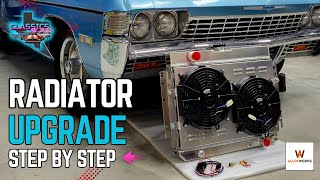
🎬 See how to install an aluminum radiator and fan upgradeKnown Issues, Recalls, and Service Bulletins
For vehicles from the 1959-1969 era, formal Technical Service Bulletins (TSBs) and recalls are not tracked in modern systems like they are for new cars. A search of the National Highway Traffic Safety Administration (NHTSA) database shows no recalls specifically for the radiator on these models. Any "known issues" are related to the age of the components, such as corrosion, sediment buildup clogging the radiator, and leaks from failing seams or tubes.
Frequently Asked Questions (FAQ)
Do I need a special radiator for my V8 Impala?
Yes, the radiator must match the engine. A big-block V8 (like a 396 or 409) produces much more heat than a small-block or a 6-cylinder. You need a radiator with enough cooling capacity, which usually means more rows (3-row or 4-row) and a larger core to handle the heat. Check the part specifications to ensure it's rated for your engine size.
What is a transmission cooler and do I need one in my radiator?
If your Impala has an automatic transmission, it uses a circuit in the radiator to help cool the transmission fluid. The radiator will have two small fittings for these lines. When ordering, you must specify that you need a radiator with a built-in transmission cooler. Running without one will cause your transmission to overheat and fail.
Should I choose a 2-row, 3-row, or 4-row radiator?
"Rows" refer to the number of cooling tubes in the radiator's core. Generally, more rows mean better cooling. A standard 2-row might be fine for a stock 6-cylinder, but a V8, especially in a hot climate or with air conditioning, will benefit from a 3-row or 4-row radiator. Modern aluminum radiators with two rows of very wide tubes can often cool as well as or better than an older 4-row copper/brass design.
What else should I replace with the radiator?
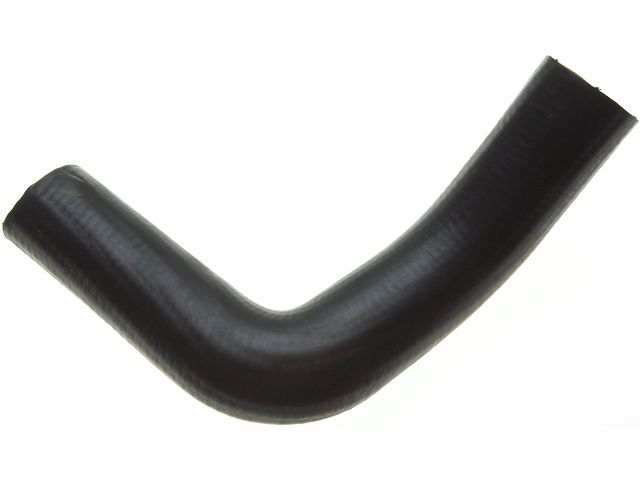
It is highly recommended to replace the radiator cap, upper and lower radiator hoses, and hose clamps at the same time. These parts are inexpensive and wear out over time. Replacing them with the radiator ensures the entire system is sealed and reliable. Also, consider flushing the engine block to remove any old sediment before installing the new radiator.
🎬 Follow this step-by-step guide to flushing your coolant systemHelpful Videos
Technical Specifications
Key specifications vary significantly by year and engine configuration. Important factors include: Core Material (Copper/Brass vs. Aluminum), Row Quantity (2, 3, or 4 rows), Core Dimensions (height and width), Inlet/Outlet Location and Size, and presence of a Transmission Cooler for automatic vehicles.
We Have This Part in Stock

The information in this article is provided for general reference and educational purposes only. Vehicle specifications, procedures, and part compatibility can vary by production date, trim level, and region. Always consult your vehicle's factory service manual and verify part numbers before purchasing or performing repairs. Safety-critical components such as airbags, seat belts, and braking systems should be installed by a qualified professional.