

Buick Electra Alternator Guide: Choosing the Right Part for 1963-1972 Models
Keep your classic Electra's electrical system healthy by picking the correct new alternator.
- First, confirm your model year: 1959-1962 Electras use a generator, while 1963-1972 models use an alternator.
- Choose your alternator's power (amperage) based on your car's needs; stock cars are fine with a standard unit, while cars with extra electronics need a high-output model.
- Aftermarket brand quality varies greatly; performance brands offer more power, while economy brands offer low prices with a potential quality risk.
- Many charging problems on these classic cars are caused by bad grounds or faulty wiring, not just the alternator itself.
Generator vs. Alternator: A Critical First Step
Before you buy any parts, you must know what your car has. If you own a 1959, 1960, 1961, or 1962 Buick Electra, your car came from the factory with a DC generator. If you have a 1963 to 1972 model, your car has an alternator. They are not interchangeable without modification. This article is for owners of 1963-1972 Electras or earlier models that have already been converted to an alternator system.
Signs of a Failing Electra Alternator
An old alternator rarely just stops working. It usually gives warning signs. Look for dimming or flickering headlights, especially at idle. You might see the "GEN" or battery light glow on your dashboard. A whining or grinding noise from the front of the engine can point to bad bearings inside the alternator. If your battery keeps dying even after being charged, the alternator is the most likely culprit.
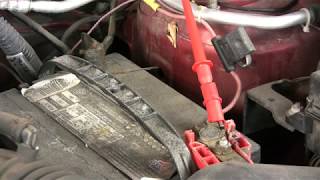
🎬 Watch: A detailed guide on how to test your alternator.Don't Get Stranded
Once the alternator fails completely, your car will only run for a short time on battery power alone. Electrical components will stop working one by one, and then the engine will shut off. It's a problem you need to fix right away.
Choosing the Right Aftermarket Alternator
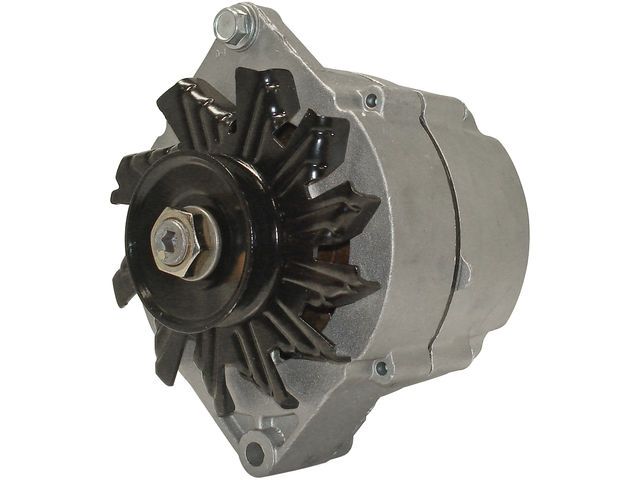
Original GM alternators from the 1960s and 70s are no longer available new. Today's market is all aftermarket. Quality can vary, so it's important to know the brands. We can group them into three tiers.
Tier 1: Performance & High-Output
Brands: Powermaster, Proform
These brands specialize in alternators that produce more power than the original factory units. This is a great choice if you have added modern accessories like a powerful stereo, electric cooling fans, or extra lighting. Powermaster is known for providing higher amperage at idle, which helps prevent dimming lights in traffic. While many users have good results, some have reported issues with noise or early failure, so quality can be inconsistent. Expect to pay a premium for the extra power and often a chrome finish.
Tier 2: Standard Replacement
Brands: ACDelco, Remy
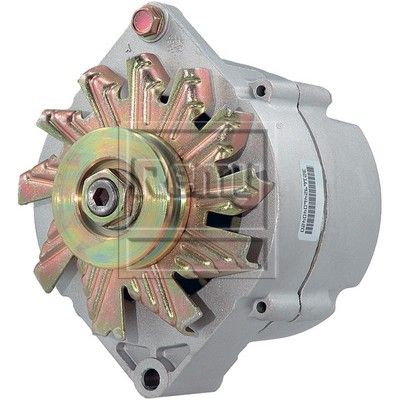
ACDelco is GM's official parts brand, but don't assume it means original quality from 1968. Modern ACDelco parts are sometimes inconsistent, with classic car owners reporting early failures. Remy is a large, well-known remanufacturer. Many owners find them to be a reliable, affordable choice that fits correctly. However, like any remanufactured part, there is a chance of getting a bad one, with bearing failure being a reported issue.
Tier 3: Economy Options
Brands: BBB Industries, WAI Global, MPA
These companies are huge suppliers that often make the parts sold under store brands. BBB Industries, for example, supplies NAPA and owns Remy's aftermarket business. WAI Global is another major player. The main appeal here is low price. However, the quality can be a gamble. Forum users report receiving units that are dead on arrival or don't produce their advertised amperage. If you choose an economy brand, it's a very good idea to have it tested at the parts store before you take it home.
Internal vs. External Regulator
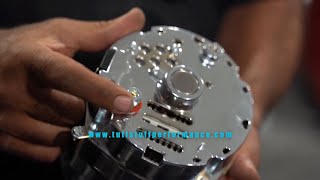
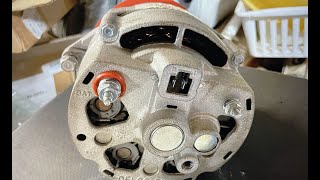
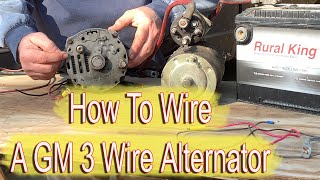
Early alternators in this period used an external voltage regulator, a separate box mounted in the engine bay. Later models and most modern replacements have an internal regulator. Many aftermarket alternators are "one-wire" models with internal regulators, which simplifies wiring but requires some modification from your car's original harness.
🎬 See how to upgrade your GM classic to a one-wire alternator.Cost of a New Aftermarket Alternator (1963-1972 Buick Electra)
| Part Tier | Estimated Price Range | Notes |
|---|---|---|
| Economy (BBB, WAI, MPA) | $60 - $150 | Basic, functional replacements. Quality can be a gamble. |
| Standard (ACDelco, Remy) | $80 - $200 | Good balance of price and expected reliability for stock vehicles. |
| Performance (Powermaster, Proform) | $180 - $580+ | High-amperage output for modified cars. Often comes with a chrome finish. |
Frequently Asked Questions
Can I upgrade my 1959-1962 Electra's generator to an alternator?
Yes, and it's a very common and recommended upgrade. Alternators are more reliable and produce more power at idle. Conversion kits are available that include the necessary brackets and wiring instructions to make the swap easier.
Do I need a high-output alternator?
If your car is completely stock, a standard replacement alternator with an output of 40-60 amps is usually sufficient. You only need a high-output unit (100+ amps) if you have added significant electrical loads like a large audio system, electric fans, or off-road lighting.
What are common installation mistakes?
The most common mistakes are poor connections and incorrect wiring. 🎬 Watch: Converting from an external to an internally-regulated alternator. Make sure your battery terminals and ground wires are clean and tight. When installing a one-wire alternator, ensure you are using a heavy-gauge wire for the output stud. On cars with A/C, swapping the double-groove pulley to the new alternator can sometimes be a challenge, but is necessary.
Are there any recalls or bulletins for the Electra alternator?
No, there are no open recalls or technical service bulletins (TSBs) from GM for the alternator on a vehicle of this age. Common charging system problems are almost always caused by a failed part, a bad ground, or incorrect wiring.
Helpful Videos

Technical Specifications
OEM Part Numbers: 1100569 1100605 1100621 1100693
Voltage: 12V. Amperage (Stock): 37 to 61 Amps, depending on year and options. Pulley: Single or double V-groove. Regulation: External (early models) or Internal (later models/aftermarket conversions).
We Have This Part in Stock
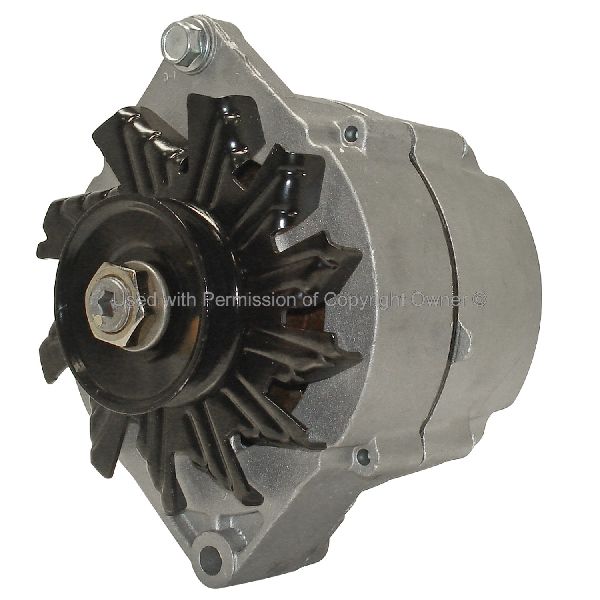
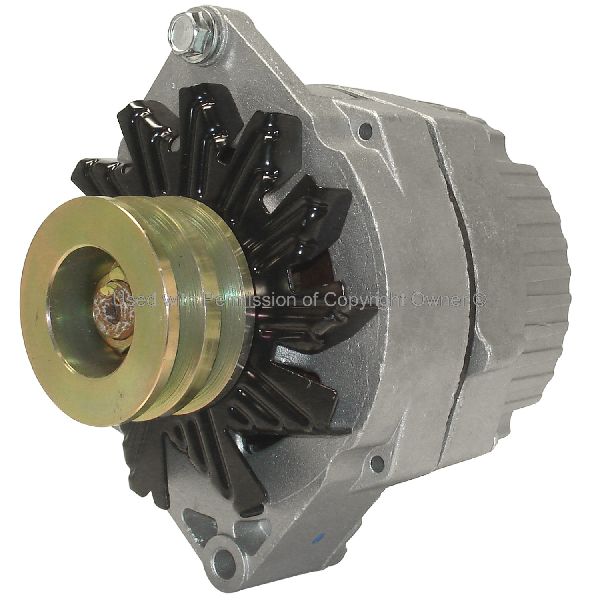
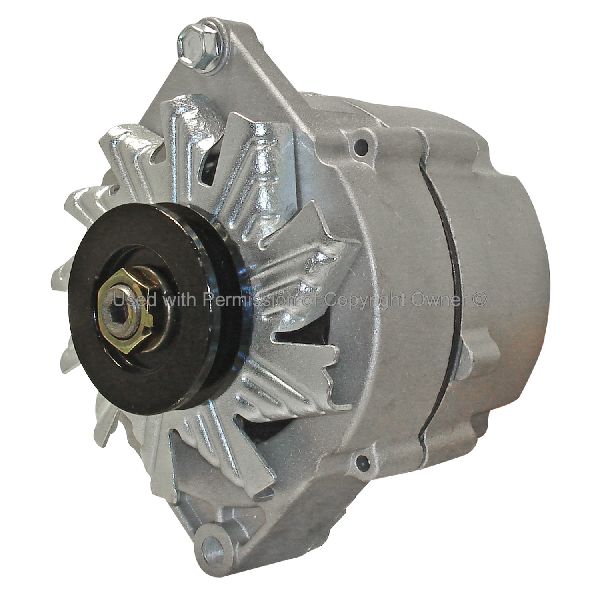
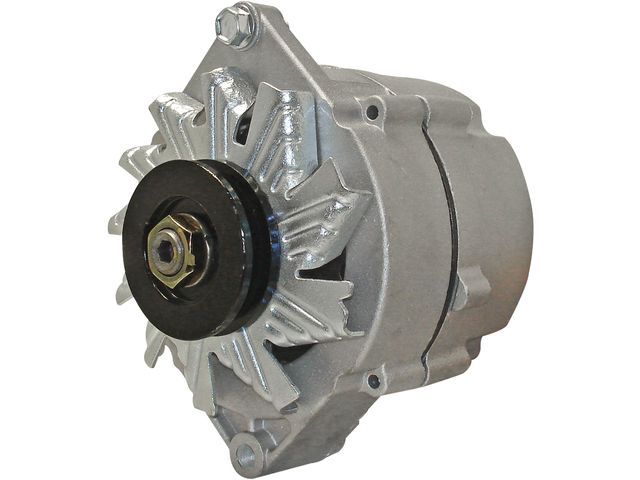

The information in this article is provided for general reference and educational purposes only. Vehicle specifications, procedures, and part compatibility can vary by production date, trim level, and region. Always consult your vehicle's factory service manual and verify part numbers before purchasing or performing repairs. Safety-critical components such as airbags, seat belts, and braking systems should be installed by a qualified professional.
- 🎬 Helpful Videos
- 🛍️ Shop This Part
- Generator vs. Alternator: A Critical First Step
- Signs of a Failing Electra Alternator
- Don't Get Stranded
- Choosing the Right Aftermarket Alternator
- Tier 1: Performance & High-Output
- Tier 2: Standard Replacement
- Tier 3: Economy Options
- Internal vs. External Regulator
- Cost of a New Aftermarket Alternator (1963-1972 Buick Electra)
- Frequently Asked Questions
- 🎟️ Get 5% Off