

Ford Ranchero Automatic Transmission Mount Guide (1960-1964)
Stop excessive vibration and clunking noises by replacing your worn-out transmission mount.
- A bad transmission mount on a 1960-64 Ranchero causes clunking noises and excessive vibration.
- Driving with a failed mount is not recommended as it can damage other driveline parts.
- New OEM parts are unavailable; aftermarket brands like Pioneer, Anchor, and Westar are the common options.
- Replacement is a simple, low-cost job suitable for most DIY mechanics.
Is Your Ranchero Shaking or Clunking? It Could Be the Transmission Mount
A failing automatic transmission mount on a first-generation Ford Ranchero can cause a range of noticeable problems. Because the part is made of rubber, it can dry out, crack, or collapse over 60+ years of use. When the rubber fails, the transmission is no longer held securely, leading to metal-on-metal contact and excessive movement.
Symptoms of a Bad Transmission Mount
Look out for these common signs of failure:
- Excessive Vibration: You may feel a new or worsening vibration through the floor or seat, especially when accelerating or at idle.
- Clunking Noises: Loud clunks or bangs when you shift from Park into Drive or Reverse are a classic symptom. You might also hear noise when you accelerate or brake hard.
- Drivetrain Movement: A worn mount allows the transmission to move too much. This can put stress on engine mounts, exhaust connections, and driveline components. In severe cases, you might even see the engine and transmission assembly rock when revving the engine.
A Note on OEM vs. Aftermarket
For a vehicle from the early 1960s, new original equipment manufacturer (OEM) parts from Ford are no longer available. Your options are "New Old Stock" (NOS) parts, which are original but can be extremely rare and expensive, or modern aftermarket reproductions. This guide focuses on the new aftermarket brands you are likely to find today.
Choosing the Right Aftermarket Mount
Several brands produce replacement mounts for the 1960-1964 Ranchero. These are generally considered budget-friendly, standard replacement parts. There isn't a high-performance market for this specific application, so the focus is on finding a part that fits correctly and offers reasonable durability.
Based on general reviews and mechanic feedback, here is an honest assessment of the available brands:
- Pioneer: Often regarded as a higher-quality standard replacement. Reviewers frequently mention that Pioneer mounts look and fit like the original parts and perform well for the price.
- Anchor: A widely available and affordable option. Quality can be inconsistent; some users report no issues, while others have experienced premature failure or fitment problems. It's often considered a basic, economy-grade part.
- Westar: Similar to Anchor in terms of market position and price. Some reviews note that Westar parts may use thinner metal or harder rubber than originals, which can affect vibration damping and longevity.
- DEA (DEA Products): Another economy brand. Like Anchor and Westar, reviews are mixed, with some users experiencing rapid wear and increased vibration.
Pro Tip: For a classic vehicle that isn't a daily driver, any of these brands will likely function. However, for better fit and potentially longer service life, Pioneer is often the preferred choice among the standard aftermarket options.
Typical Replacement Costs
Replacing the transmission mount is one of the more affordable repairs you can make. The part itself is inexpensive, and labor is straightforward for a professional mechanic or an experienced DIYer.
| Item | Estimated Cost |
|---|---|
| New Aftermarket Part | $16 - $22 |
| Shop Labor | $90 - $180 |
| Total Professional Replacement | $106 - $202 |
Frequently Asked Questions
How hard is it to replace a Ranchero transmission mount?
For a DIYer with basic tools, this is a relatively easy job. It involves safely supporting the vehicle on jack stands, using a floor jack and a block of wood to support the transmission, unbolting the old mount from the crossmember and transmission, and installing the new one. The entire process typically takes about an hour.
Can I drive with a bad transmission mount?
It is not recommended. While the vehicle may still be drivable, a bad mount allows for excessive movement that can damage other, more expensive components, including the engine mounts, driveshaft, exhaust system, and even the transmission case itself. It's best to replace it as soon as symptoms appear.
Will a new mount fix all my vibrations?
It will fix vibrations caused by a failed mount. However, vibrations on a classic vehicle can come from many sources, including engine mounts, unbalanced tires, or driveline issues. If the transmission mount is visibly collapsed or broken, replacing it is a good first step.
Are there any recalls for this part?
No. There are no NHTSA recalls on record for the transmission mount on the 1960-1964 Ford Ranchero. The National Highway Traffic Safety Administration (NHTSA) was established in 1966, after this vehicle generation was produced.
Technical Specifications
OEM Part Numbers: C1DZ-6068A
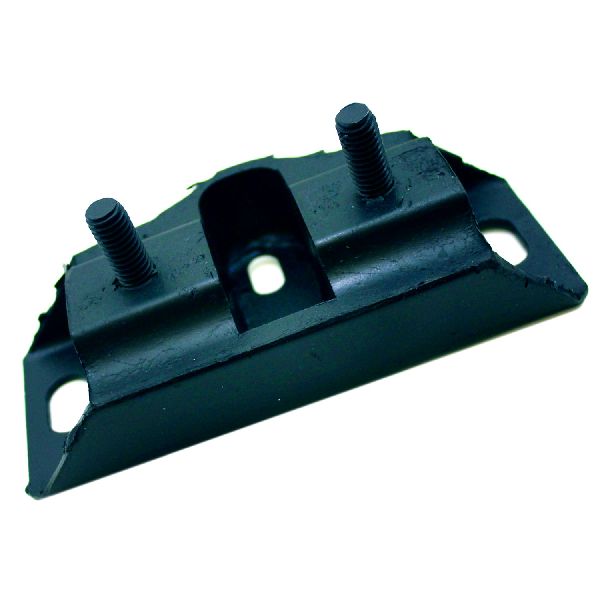
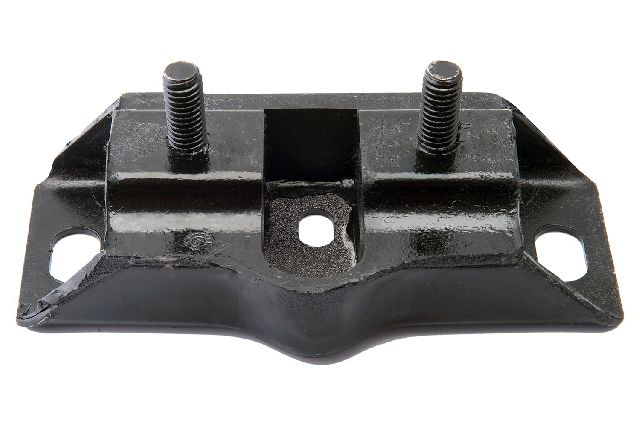
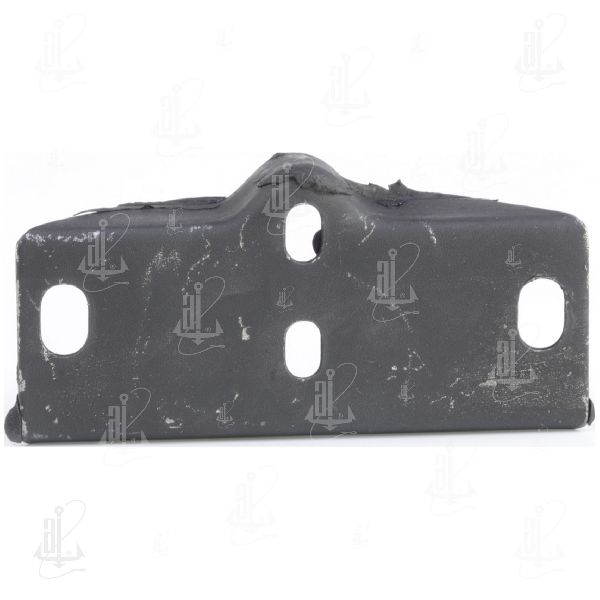
The mount is a single assembly consisting of a rubber insulator bonded to metal mounting plates. It bolts directly to the transmission housing and the vehicle's transmission crossmember. The 1960-1962 models may use a different mount than 1963-1964, depending on whether they have a cantilever support.
We Have This Part in Stock


The information in this article is provided for general reference and educational purposes only. Vehicle specifications, procedures, and part compatibility can vary by production date, trim level, and region. Always consult your vehicle's factory service manual and verify part numbers before purchasing or performing repairs. Safety-critical components such as airbags, seat belts, and braking systems should be installed by a qualified professional.