

A Home Mechanic's Guide to 1960-1964 Mercury Comet Engine Mounts
Stop excessive engine vibration and clunking noises by choosing the right replacement engine mounts for your classic Comet.
- Verify your engine type (6-cylinder or V8) before ordering, as the mounts are different.
- Symptoms like heavy vibration and clunking noises are clear signs of mount failure that should not be ignored.
- For a classic Comet, aftermarket brands like Anchor, DEA, or Westar are the most practical and affordable choice.
- It is strongly recommended to replace engine mounts in pairs to ensure even support and longevity.
Is Your Comet's Engine Mount Failing?
After more than 60 years, the original rubber on your Mercury Comet's engine mounts has likely become hard, cracked, oil-soaked, or completely separated from its metal backing. When the rubber fails, it can no longer support the engine or absorb vibrations, leading to symptoms that are hard to ignore.
Common Failure Symptoms
- Excessive Vibration: This is the most common sign. You'll feel a new or worsening vibration in the steering wheel, floor, or seats, especially when the car is idling or when you first put it in gear.
- Clunking or Banging Noises: Loud clunks, bangs, or thumps from the engine bay when you accelerate, brake, or shift gears are a tell-tale sign of a broken mount. This is the sound of the engine physically lifting and hitting other parts.
- Visible Engine Movement: With the hood open, you may be able to see the engine rock or lurch significantly when a helper shifts the car from drive to reverse with the brakes applied.
Choosing the Right Aftermarket Mount
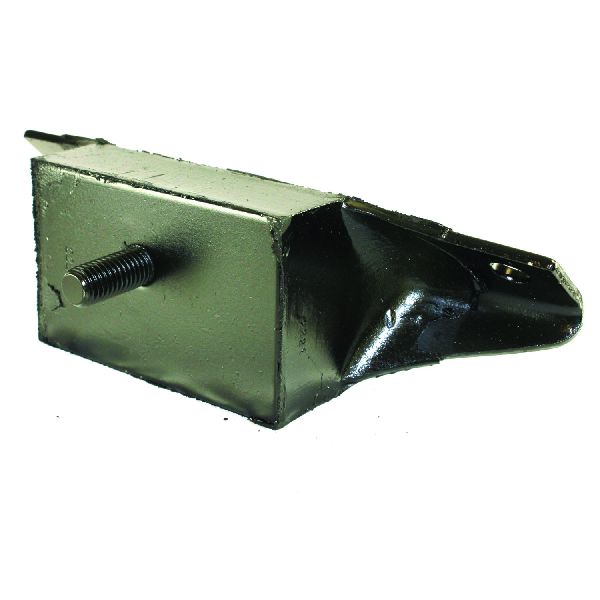
For a vehicle from the early 1960s, finding New Old Stock (NOS) OEM mounts is nearly impossible and often impractical, as the decades-old rubber may be degraded. The most common and practical solution is a new aftermarket mount. The most important factor is ordering the correct part for your specific engine.
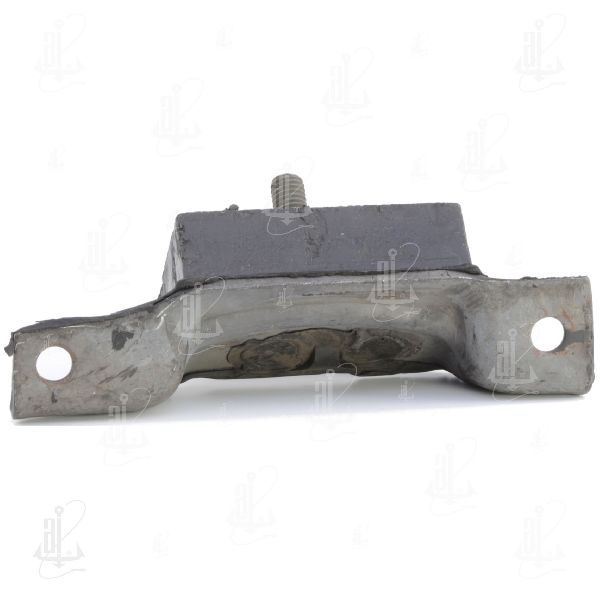
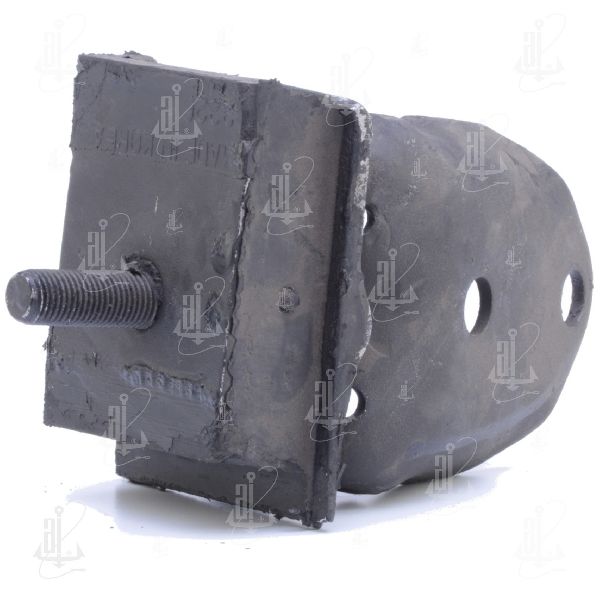
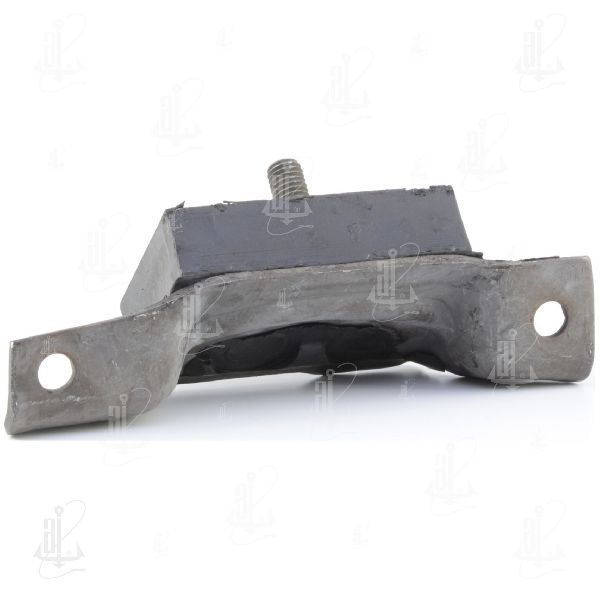
- 6-Cylinder Mounts: Comets with the 144, 170, or 200 cubic inch inline-six engines use a specific type of mount.
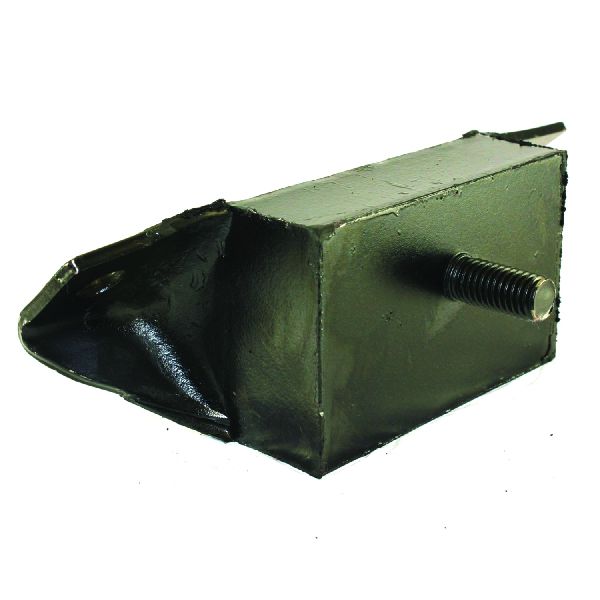
- V8 Mounts: Comets equipped with the 260 or 289 V8 engines use different mounts. These are often side-specific, sold as a Left Hand (LH/Driver Side) and a Right Hand (RH/Passenger Side) part. Be sure to order the correct side or a pair.
Pro Tip: The 1960-1964 Mercury Comet shares its platform with the Ford Falcon. Many engine mounts are interchangeable between the two models, which can make searching for parts easier.
Aftermarket Brand Quality: Anchor, DEA, and Westar
Anchor, DEA, and Westar are widely available aftermarket brands that produce replacement mounts for your Comet. Forum discussions among classic car owners show that these are generally considered standard or economy-grade parts. While some mechanics have used them for years without issue, others note that the cosmetic finish might not be perfect. For a classic car that is not a daily driver, these brands offer a cost-effective and functional solution to fix worn-out mounts.
Estimated Replacement Costs
Replacing engine mounts is a relatively affordable job. The parts are inexpensive, and the labor is straightforward for a mechanic or an experienced DIYer.
| Item | Estimated Cost |
|---|---|
| New Aftermarket Mounts (Per Mount) | $15 - $31 |
| Shop Labor | $100 - $250 |
| Total Estimated Cost (Per Mount) | $115 - $281 |
Note: Costs are estimates and can vary based on your location and repair shop. Labor costs will be higher if replacing multiple mounts.
Frequently Asked Questions
How many engine mounts does my 1960-1964 Comet have?
Most cars, including the Comet, typically have two engine mounts and one transmission mount. It's highly recommended to inspect all of them at the same time, as they are the same age and wear at a similar rate. If one has failed, the others are likely stressed and may fail soon.
Are the engine mounts for 6-cylinder and V8 Comets the same?
No, they are different. The mounts are designed specifically for the weight and bolt pattern of the inline-six engines or the V8 engines. You must order the part that matches the engine in your car. V8 mounts are also typically different for the driver and passenger side.
Can I replace just one bad engine mount?
While you can replace just the one failed mount, it is best practice to replace them in pairs (both engine mounts). A single new mount paired with an old, worn one can put extra stress on the new part and cause it to fail prematurely.
Are there any recalls for 1960-1964 Comet engine mounts?
No. Searches of the National Highway Traffic Safety Administration (NHTSA) database do not show any recalls for engine mounts on the 1960-1964 Mercury Comet. Recalls for parts like this were not common for vehicles of this era.
Technical Specifications
Mounts are specific to engine type. Inline-6 (144/170/200 CID) engines use one style. V8 (260/289 CID) engines use another style, which are typically sold as Left Hand (driver) and Right Hand (passenger) specific parts.
We Have This Part in Stock

The information in this article is provided for general reference and educational purposes only. Vehicle specifications, procedures, and part compatibility can vary by production date, trim level, and region. Always consult your vehicle's factory service manual and verify part numbers before purchasing or performing repairs. Safety-critical components such as airbags, seat belts, and braking systems should be installed by a qualified professional.