

Ignition Coil Guide for the 1960-1964 Mercury Monterey
Keep your classic Monterey running strong by understanding its ignition coil needs.
- Determine if your car has a ballast resistor before buying a new coil to ensure compatibility and prevent damage.
- For a stock points ignition, a standard replacement coil from a brand like Standard Ignition or NGK is the best choice.
- If you have an aftermarket electronic ignition, a performance coil from Accel or MSD can offer benefits.
- Symptoms like misfiring, hard starting, and power loss strongly point to a failing ignition coil.
Signs of a Failing Ignition Coil
An ignition coil failure in a classic car like the Monterey can be sudden, but often it gives warning signs. Heat and vibration are the main causes of coil problems. You might notice your engine is hard to start, especially when cold. Other common symptoms include engine misfires, which can feel like a jerking or sputtering, a rough idle, and a noticeable loss of power when you accelerate. In some cases, a bad coil can even cause the engine to backfire, which sounds like a loud pop from the exhaust. A weak, yellowish spark instead of a bright blue one when testing is a clear sign of a coil issue.
Choosing the Right Aftermarket Coil
For a 1960-1964 Monterey, you have two main paths for an aftermarket coil: standard replacement or performance upgrade. Your choice depends on your car's setup.
Is your car stock? If you are running the original points-style distributor, a standard replacement coil is your best bet. Brands like Standard Ignition, NGK, and Spectra offer reliable, OE-style coils designed to work with your car's original ignition system. These are made to match the original electrical requirements of your vehicle.
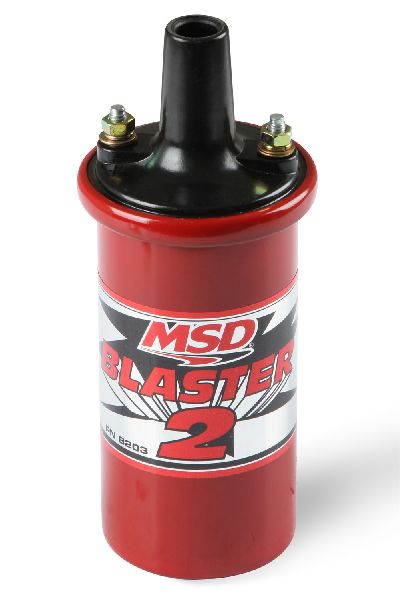
Have you upgraded your ignition? If you have modified your Monterey with an electronic ignition system (a common upgrade), you can benefit from a performance coil. Brands like Accel and MSD are popular choices. These coils are designed to produce a higher voltage spark, which can improve performance on modified engines. However, using a high-output coil on a stock points system can cause premature wear on the points.
Ballast Resistors are Key
Many Fords and Mercurys of this era use a ballast resistor or a special "resistor wire" in the ignition system. This device reduces the voltage going to the coil while the engine is running to prevent the coil and ignition points from overheating. When you start the car, the resistor is bypassed to give the coil a full 12 volts for a stronger starting spark. When replacing your coil, you MUST know if your car has a ballast system. Using a coil designed for a ballast system without the resistor will cause it to fail quickly. Conversely, using a non-ballast coil on a system with a resistor will result in a weak spark.
Aftermarket Brand Quality Tiers
Not all aftermarket brands are the same. For your Monterey, here is a general breakdown based on owner experiences and reputation:
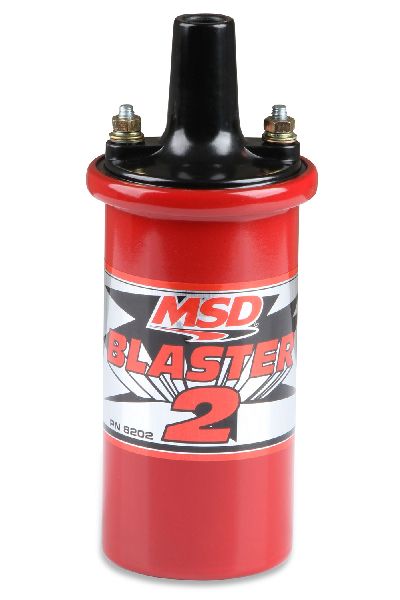
- Performance Tier (Accel, MSD): These brands are well-known in the performance and racing world. They are a good choice if you have upgraded your ignition system and are looking for maximum spark energy. Be sure to match the coil to your specific ignition system (e.g., an MSD coil works best with an MSD ignition box).
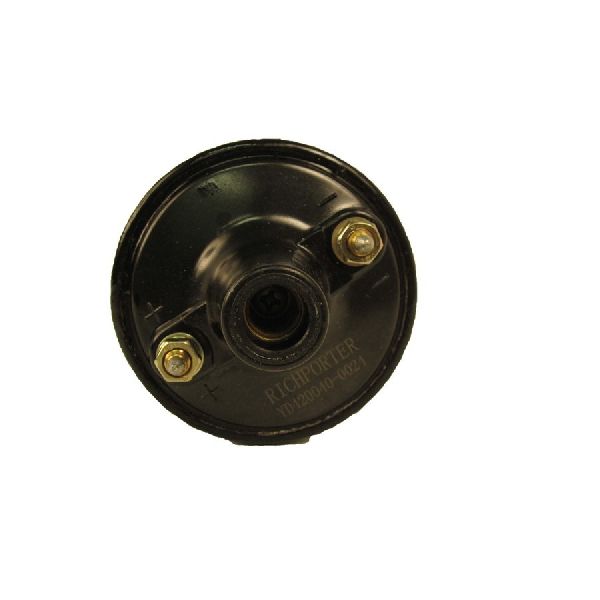
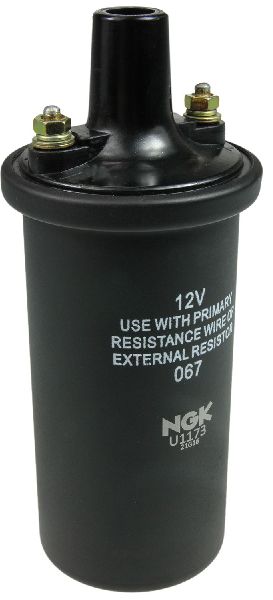
- OE-Quality Tier (Standard Ignition, NGK): These brands have a strong reputation for producing reliable, durable parts that meet or exceed original specifications. They are a safe and dependable choice for a stock or daily-driven classic car.
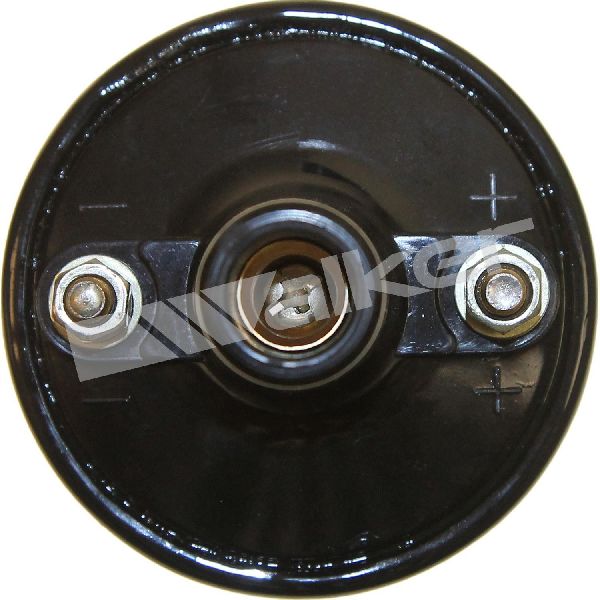
- Standard/Economy Tier (Spectra, Walker Products): These brands provide a cost-effective solution. While they can be a good value, some owner reviews suggest quality can be inconsistent compared to higher-tier brands. They are suitable for a budget-conscious repair, but longevity may not match premium options.
| Part | Low Price | High Price |
|---|---|---|
| Aftermarket Ignition Coil | $23.60 | $94.86 |
Pro Tip: When replacing the coil, it's a great time to also inspect your spark plug wires, distributor cap, and rotor. These parts all work together, and a failure in one can affect the others. For a car of this age, ensuring all ignition components are in good shape is key to reliability.
Frequently Asked Questions
Can I use a modern ignition coil on my Monterey?
No. Modern cars use a "coil-on-plug" system where each cylinder has its own coil. Your 1960-1964 Monterey uses a single, canister-style coil for the entire engine. You must use a coil specifically designed for this type of vintage ignition system.
How do I know if I need a coil for a ballast resistor?
The easiest way is to test the voltage at the positive (+) terminal of the coil with the ignition on and the engine running. If the voltage is around 9 volts, you have a ballast system. If it's closer to 12 volts (battery voltage), you have a non-ballast system. Coils requiring a resistor often have a primary resistance of around 1.5 ohms, while non-ballast coils are closer to 3.0 ohms.
Is replacing the ignition coil a difficult job?
No, this is one of the easier jobs you can do on a classic car. It typically involves disconnecting the battery, labeling and removing two small wires and the main high-tension wire, and then unbolting the coil from its bracket. The entire process usually takes less than 30 minutes.
What is the difference between an OEM and aftermarket coil for my classic Monterey?
For a 60-year-old car, true "OEM" (Original Equipment Manufacturer) parts from Ford are generally not available new. What you might find is "New Old Stock" (NOS), which are original parts that have been sitting on a shelf for decades. While authentic, they can be very expensive. Aftermarket parts are new parts made by companies other than the original manufacturer. For an ignition coil, a quality aftermarket part from a reputable brand like Standard Ignition or NGK will provide excellent, reliable performance that is equal to or better than the original 1960s technology.
Technical Specifications
The key specification is the primary resistance. Coils for ballast resistor systems typically have a primary resistance of ~1.5 Ohms. Coils for systems without a ballast resistor have a primary resistance of ~3.0 Ohms.
We Have This Part in Stock


The information in this article is provided for general reference and educational purposes only. Vehicle specifications, procedures, and part compatibility can vary by production date, trim level, and region. Always consult your vehicle's factory service manual and verify part numbers before purchasing or performing repairs. Safety-critical components such as airbags, seat belts, and braking systems should be installed by a qualified professional.