

Universal Joint Replacement Guide for 1960-1965 GMC 1000 Series Trucks
Keep your classic GMC running smoothly by understanding when and how to replace your universal joints.
- Listen for clunks, squeaks, and vibrations as these are the primary signs of a failing U-joint.
- For this vintage truck, high-quality aftermarket brands like Dana Spicer are superior to unavailable OEM parts.
- Choose between non-greaseable joints for longevity or greaseable joints if you commit to regular maintenance.
- Always measure your old U-joints before ordering replacements to ensure you get the correct size for your specific truck.
Is Your Truck Trying to Tell You Something?
A failing U-joint gives you plenty of warning before it leaves you stranded. The first signs are often subtle noises that get worse over time. Because these are simple, tough trucks, owners often mistake U-joint noise for other issues. Pay close attention to these specific symptoms.
Symptoms of a Bad Universal Joint
- Clunking or Banging Noise: A loud "clunk" when you shift from park into drive or reverse is a classic sign. This is caused by excessive play in the worn-out joint.
- Squeaking at Low Speeds: A rhythmic squeak that matches the rotation of your wheels, especially when you first start driving, points to a dry U-joint that has lost its grease.
- Vibrations Under Your Seat: As the U-joint wears, it throws the driveshaft out of balance. This causes a vibration that you can feel in the floor and seat, which gets worse as you drive faster.
- Visible Rust or Grease: Look at the U-joints on the driveshaft. If you see reddish-brown dust (rust) or black grease slung around the bearing caps, the seals have failed.
Don't Ignore the Signs
A U-joint that fails completely can cause the driveshaft to separate from the truck. This can cause significant damage to your transmission, exhaust, and underbody, and will leave you stranded instantly.
Choosing the Right Aftermarket U-Joint
For a 1960-1965 GMC 1000 Series, finding new Original Equipment Manufacturer (OEM) parts is nearly impossible. The good news is that high-quality aftermarket brands often meet or exceed the quality of the original parts from the 1960s. Your choice comes down to good, better, and best.
| Tier | Brands | Quality & Cost Assessment |
|---|---|---|
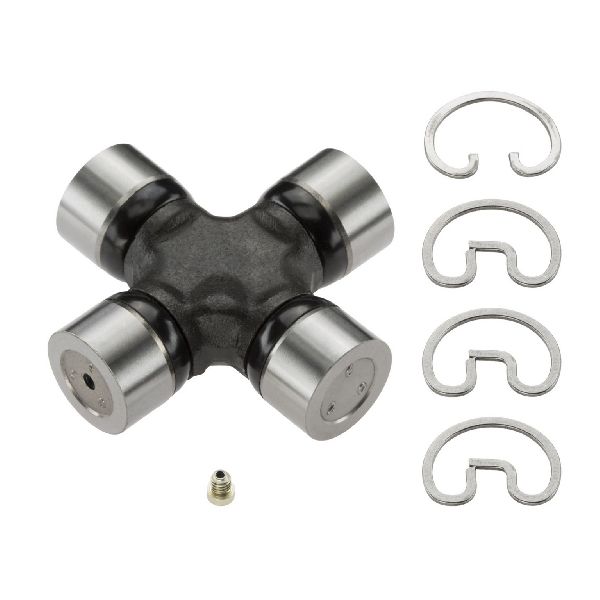
| Best (Premium) | Dana Spicer | Often considered the gold standard and an original equipment supplier for many manufacturers. Spicer non-greaseable joints are viewed by many as the strongest and most durable option, as they are fully sealed from the factory. Expect to pay a premium for this quality. |
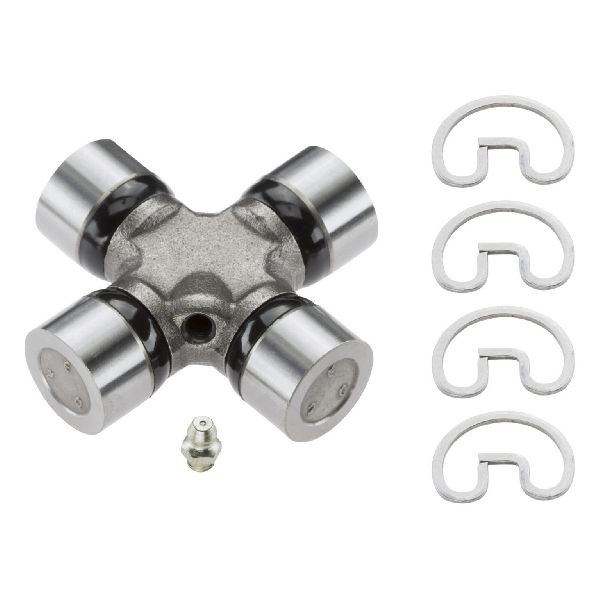
| Better (Mid-Grade) | Moog | Moog has a long-standing reputation, but some users report a decline in quality in recent years. They are generally a reliable choice and a step up from budget brands. They often feature grease fittings (zerks) for serviceability. |
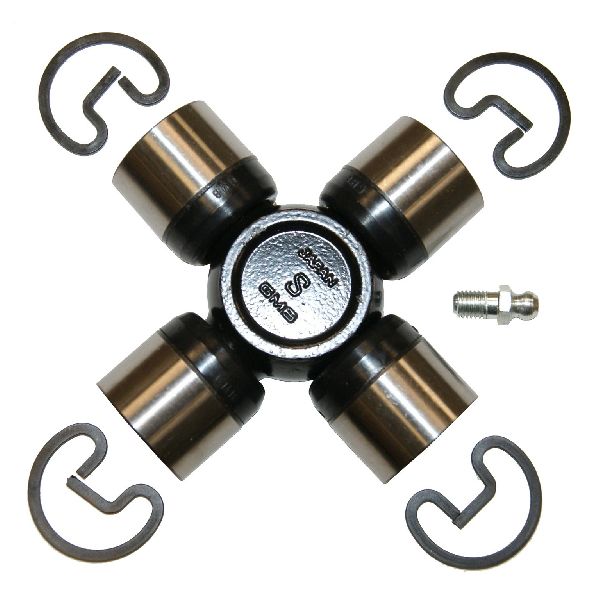
| Good (Standard) | GMB | GMB is a well-known aftermarket manufacturer that produces a wide range of parts. They are a cost-effective option that provides reliable performance for standard daily driving. While not typically considered a high-performance part, they are a suitable replacement for a stock truck. |
Greaseable vs. Non-Greaseable
U-joints come in two main styles: non-greaseable (sealed) and greaseable (with a zerk fitting).
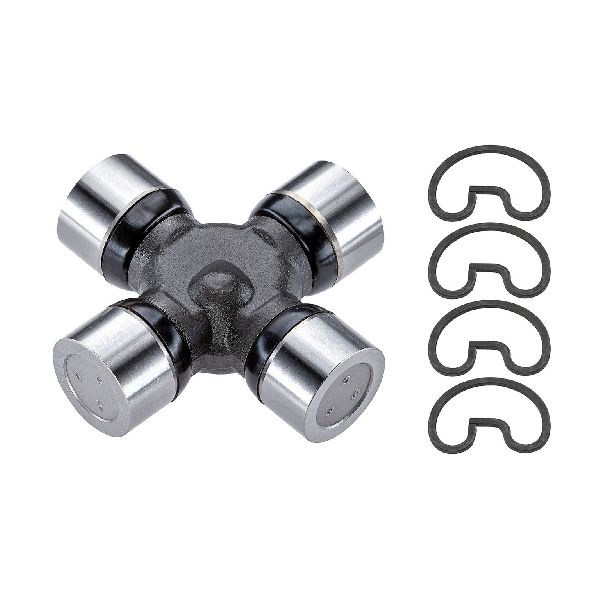
Non-Greaseable: These are filled with high-quality grease and sealed at the factory. Many mechanics prefer them because the seals are stronger and they have no path for grease to escape or contaminants to enter. Dana Spicer is famous for its long-lasting sealed joints.
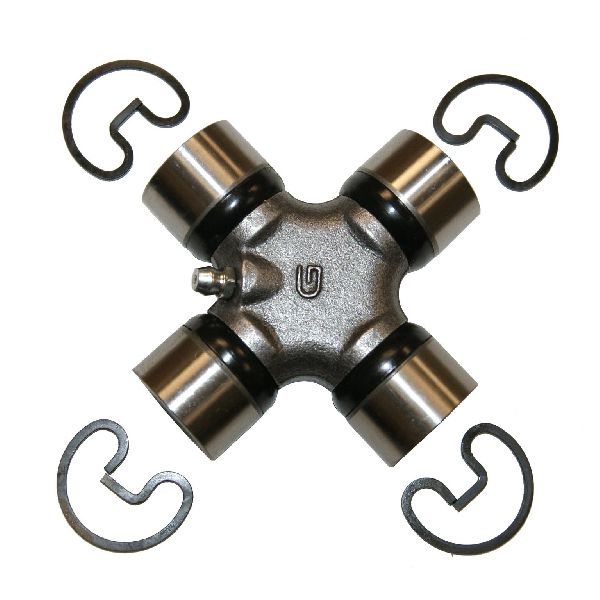
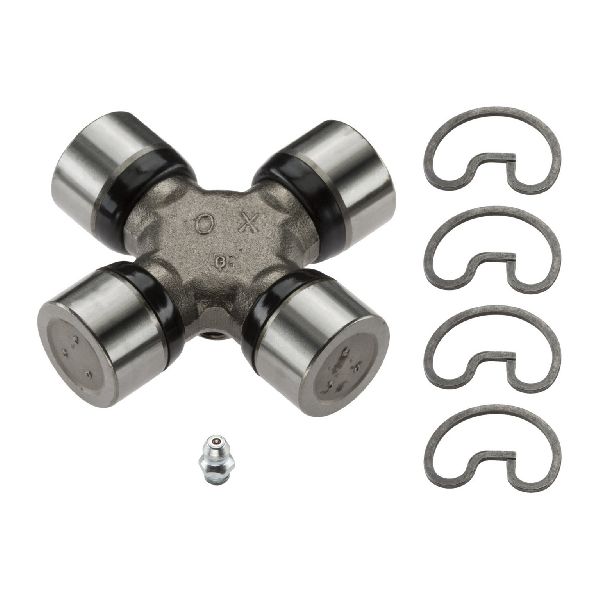
Greaseable: These have a small fitting (zerk) that allows you to add new grease periodically. This can flush out old grease and contaminants. However, the seals are designed to let old grease out, which can also let dirt and water in if not maintained. If you choose this type, you must be diligent about greasing them regularly.
Frequently Asked Questions (FAQ)
How many U-joints does my GMC 1000 Series have?
Most 1960-1965 GMC 1000 Series trucks with a standard one-piece driveshaft have two universal joints: one at the transmission end (front) and one at the rear axle end (rear). Some models with a longer wheelbase may have a two-piece driveshaft, which would include a third U-joint and a center support bearing. It is essential to inspect your specific truck to confirm the configuration.
Is replacing a U-joint a DIY job?
It can be, but it requires specific tools and some mechanical skill. You will need a heavy-duty vise, a large socket or a U-joint press tool, and hammers. The old U-joints can be rusted in place and difficult to remove. If you are not comfortable with this type of work, a professional mechanic can typically do the job in an hour or two.
Are there any recalls on my truck for U-joints?
No. Searches of the National Highway Traffic Safety Administration (NHTSA) database show no recalls or specific Technical Service Bulletins (TSBs) related to universal joints for the 1960-1965 GMC 1000 Series. Recalls for vehicles this old are extremely rare.
What is the most common mistake when ordering U-joints?
The most common mistake is ordering the wrong size. Over the years, different axles and transmissions may have been swapped into these trucks. It is critical to measure your existing U-joint's cap diameter and overall width before ordering, or find the identification numbers on the driveshaft. Do not assume a part is correct based only on the year and model of your truck.
Technical Specifications
U-joints for this series commonly use outside lock rings. Common series sizes like 1310 may be applicable, but measurement is required for confirmation due to potential modifications over the truck's lifespan.
We Have This Part in Stock

The information in this article is provided for general reference and educational purposes only. Vehicle specifications, procedures, and part compatibility can vary by production date, trim level, and region. Always consult your vehicle's factory service manual and verify part numbers before purchasing or performing repairs. Safety-critical components such as airbags, seat belts, and braking systems should be installed by a qualified professional.