

Guide to the 1960-1966 GMC Suburban Engine Oil Pressure Switch
Keep your classic GMC's engine safe by understanding this simple but critical part.
- First, confirm if your Suburban has a warning light (uses a 'switch') or a pressure gauge (uses a 'sender') before buying a replacement.
- Never ignore an oil pressure light. Immediately stop the engine and check the oil level.
- A faulty switch is a common, inexpensive, and easy part to replace. It's a primary suspect if your oil light behaves strangely but the oil level is correct.
- For this vintage, Standard Ignition is a well-regarded aftermarket brand for electrical components.
Understanding the Oil Pressure Switch in Your Classic Suburban
For a classic truck like the 1960-1966 GMC Suburban, the engine oil pressure switch is a straightforward but essential component. Unlike modern cars with complex sensors, this is a simple mechanical switch. It contains a diaphragm that reacts to oil pressure. When pressure is sufficient, the switch is open. If pressure drops below a safe level (usually just a few PSI), the diaphragm moves, closes an electrical circuit, and sends power to the oil warning light on your instrument panel. Ignoring this light can lead to severe engine damage.
Symptoms of a Failing Oil Pressure Switch
A faulty switch can give you a major scare or, worse, fail to warn you of a real problem. Here’s what to look for:
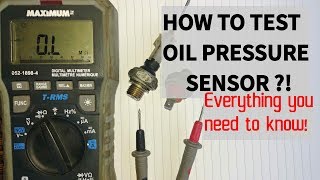
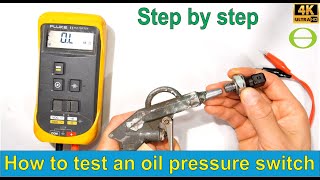
- Oil Light Stays On: If the oil light on your dash is lit up but you've confirmed the oil level is correct, the switch itself might be faulty 🎬 See how to test an oil pressure switch yourself. and stuck in the 'on' position.
- Flickering Oil Light: A light that flickers, especially at idle when oil pressure is naturally lower, can point to a failing switch or a genuine low-pressure issue.
- No Oil Light When Turning the Key: The oil pressure light should briefly illuminate when you turn the key to the 'on' position before starting the engine. If it doesn't, the bulb could be burned out, or the switch may have failed in the 'open' position.
- Oil Leaks: Over decades of heat cycles, the switch's housing or seal can degrade, leading to oil seeping from the switch itself.
Pro Tip: Switch vs. Sender
Before you buy, confirm if your Suburban has a warning light or a factory oil pressure gauge. A warning light uses a simple switch. A gauge uses a sending unit (or sender). They look similar but are not interchangeable. Installing the wrong part will not work and could damage a factory gauge.
Choosing the Right Aftermarket Switch
For a vehicle of this era, new Original Equipment Manufacturer (OEM) parts are generally not available. The market consists of aftermarket replacements. Quality can vary, but reputable brands offer reliable options.
- Standard Ignition (Standard Motor Products): Often considered a top-tier aftermarket brand, Standard has a long history of producing quality electrical components that meet or exceed original specifications. They are a reliable choice for vintage applications. 🎬 Learn more about the quality of Standard oil pressure switches.
- Rostra Powertrain: Rostra is known for manufacturing a wide range of automotive components, including transmission sensors and switches. While less is specifically documented for this vintage application, they are an established manufacturer.
- Global Parts/Economy Brands: These are typically the most budget-friendly options. They can be a good choice for a stock vehicle or a budget-conscious repair, but may not have the same long-term durability as more established brands.
| Brand Tier | Estimated Price |
|---|---|
| Economy (e.g., Global Parts, store brands) | $15.89 - $25.00 |
| Standard Replacement (e.g., Rostra Powertrain) | $25.00 - $45.00 |
| Premium Aftermarket (e.g., Standard Ignition) | $45.00 - $62.07 |
Important: Always verify actual oil pressure with a mechanical gauge before condemning an engine based on a warning light. 🎬 Watch how to test your oil pressure and switch. A faulty switch is a cheap and easy fix; a new engine is not.
Frequently Asked Questions (FAQ)
Is replacing the oil pressure switch a DIY job?
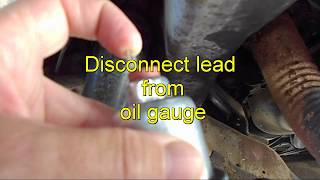
Yes, this is a very simple job for a DIY mechanic. It typically involves unplugging a single wire, and then using a wrench or a special socket to unscrew the old switch and install the new one. It usually takes less than 30 minutes. Always disconnect the battery first.
Where is the oil pressure switch located on my 1960-1966 Suburban?
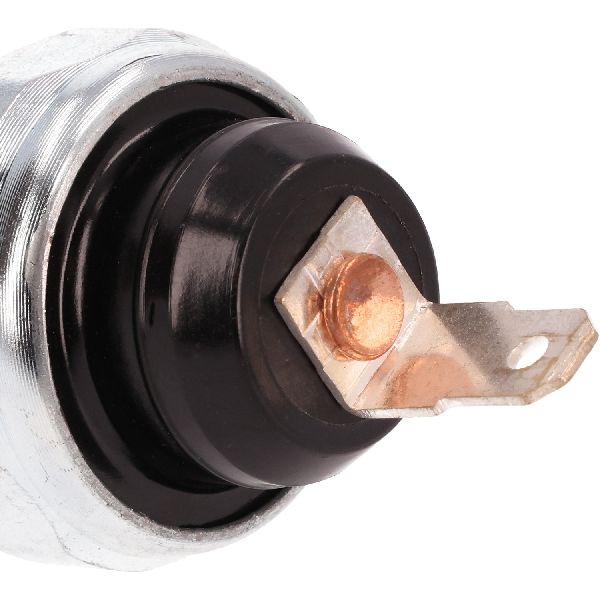
The location can vary slightly depending on the engine (I6, V6, or V8), but it is almost always screwed into the engine block, often near the oil filter housing or on the top rear of the engine. Look for a small, can-shaped component with a single electrical connector.
Are there any recalls for the oil pressure switch on this Suburban?
No. There are no recalls or technical service bulletins (TSBs) from the National Highway Traffic Safety Administration (NHTSA) related to the oil pressure switch for the 1960-1966 GMC Suburban. Any failures are due to the age and normal wear of the part.
My oil light is on. What's the first thing I should do?
Safely pull over and shut off the engine immediately. Check your engine oil level using the dipstick. If the oil level is low, you have found a likely cause. If the oil level is full, the problem could be the switch, the wiring, or a more serious internal engine problem causing a true loss of oil pressure. Do not continue driving until the cause is identified.
Helpful Videos
Technical Specifications
Thread Size: Typically 1/8" NPT. Connector Type: Single terminal (for warning light).
We Have This Part in Stock


The information in this article is provided for general reference and educational purposes only. Vehicle specifications, procedures, and part compatibility can vary by production date, trim level, and region. Always consult your vehicle's factory service manual and verify part numbers before purchasing or performing repairs. Safety-critical components such as airbags, seat belts, and braking systems should be installed by a qualified professional.