

A Guide to the Starter Motor for the 1960-1966 GMC Suburban
Solve common starting problems in your classic GMC Suburban by choosing the right new aftermarket starter.
- Always check your battery and cable connections first; poor connections are a common cause of starting issues on older vehicles.
- Heat soak is a very common problem on V8 models; a modern gear-reduction starter is the most reliable fix.
- For a stock truck, a standard replacement from a brand like MPA is a cost-effective and reliable choice.
- For modified engines or to permanently solve hot-start problems, a high-torque starter from a brand like Powermaster is a recommended upgrade.
Is Your Suburban's Starter Failing?
A bad starter can leave you stranded. For a classic 1960-1966 GMC Suburban, the symptoms are usually clear. Before blaming the starter, always check that your battery is fully charged and that the battery cables are clean and tight. Bad connections or a weak battery can mimic starter failure. If the battery and cables are good, look for these signs:
- Single Loud Click: You turn the key and hear one solid 'click', but the engine doesn't crank. This often points to a bad starter solenoid, which is part of the starter assembly.
- Slow, Labored Cranking: The engine turns over very slowly, like the battery is weak, even when you know it's fully charged. This can mean the starter motor itself is worn out and struggling.
- Grinding Noise: A harsh grinding sound when you try to start the engine can mean the starter's gear is damaged or not meshing correctly with the flywheel.
- No Sound at All: If you turn the key and nothing happens, but your lights and radio work, the starter may have failed completely.
- Engine Won't Start When Hot (Heat Soak): If your truck starts perfectly when cold but only clicks or cranks slowly after it's been running for a while, you are likely experiencing 'heat soak'.
A Common Problem on V8 Models: Starter Heat Soak
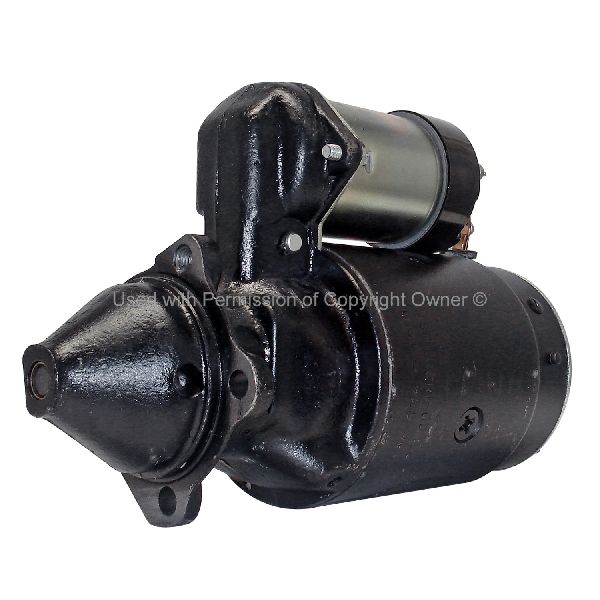
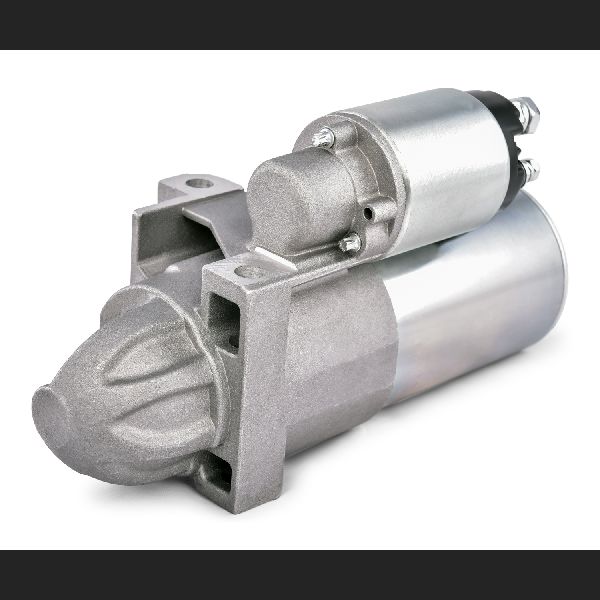
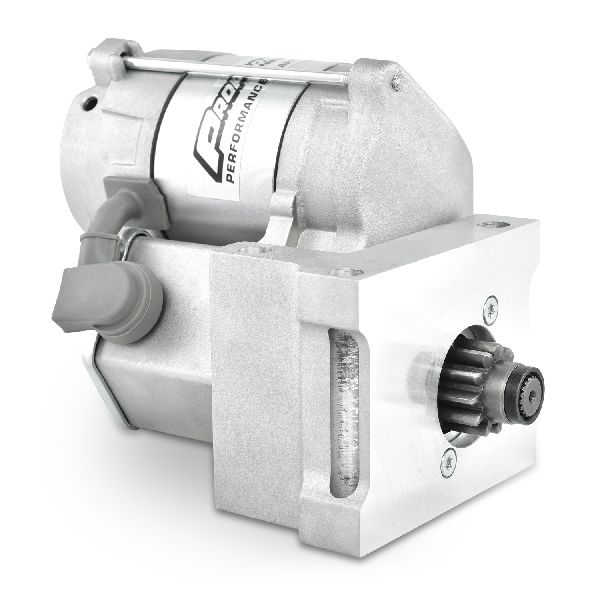
One of the most frequent issues for classic trucks with V8 engines is "heat soak." This happens when the starter, located close to the hot exhaust manifold, gets so hot that its internal electrical parts develop high resistance. The result is a starter that works fine when the engine is cold, but fails to crank a hot engine until it has had time to cool down. While insulating blankets can help, the most effective and permanent solution is often to replace the large, original-style starter with a modern, high-torque gear-reduction starter. These smaller starters are more efficient, draw less power, and are less susceptible to heat.
Choosing the Right Aftermarket Starter
For a vehicle from this era, new OEM parts are not a realistic option. Aftermarket starters are the standard, and they often provide significant improvements over the original 60-year-old technology. Here’s how the available brands compare:
Performance Tier: Powermaster
Powermaster specializes in high-torque and gear-reduction starters. They are a top choice for owners with modified engines (higher compression, more cubic inches) or for those seeking a definitive solution to heat soak problems. Forum users and classic truck owners consistently give Powermaster high marks for reliability and powerful, fast cranking. While they are at the higher end of the price range, they are considered a worthwhile investment for performance and peace of mind.
Value Performance Tier: Proform
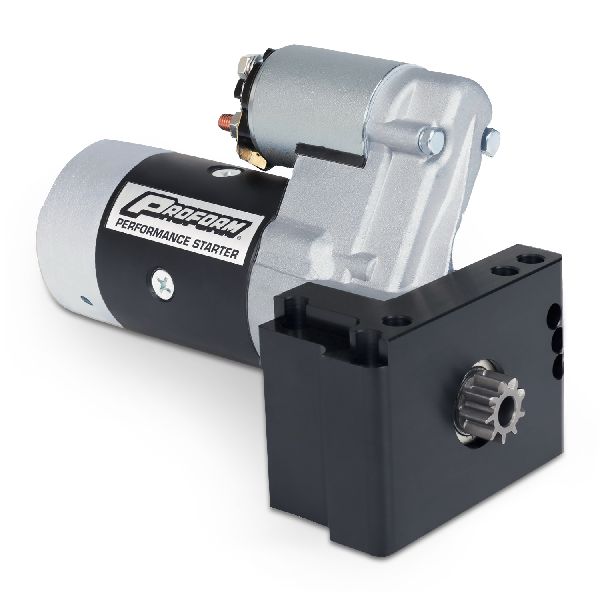
Proform also offers lightweight, high-torque, gear-reduction starters that are often more affordable than other performance brands. However, owner reviews are mixed. Some users have good results, but a notable number report premature failures, such as the drive gear failing to engage or the unit burning out quickly. This brand can be a good option if you're on a tighter budget but want a performance-style starter, but be aware of the potential for inconsistent quality.
Standard Replacement Tier: MPA
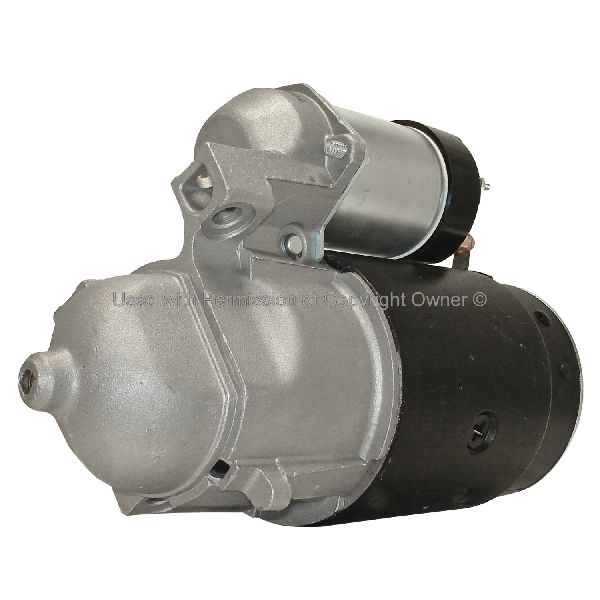
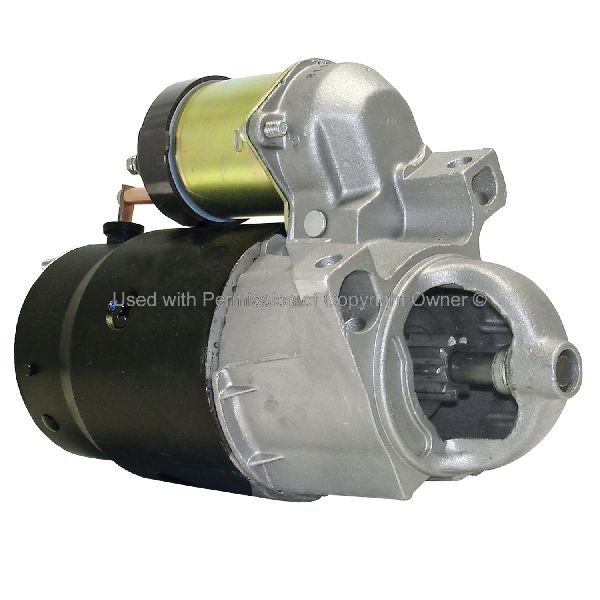
MPA (Motor Parts of America) is a major manufacturer of new and remanufactured starters that are designed to be direct, reliable replacements for the original part. If your Suburban has a stock engine and you aren't experiencing issues like heat soak, an MPA starter is a dependable and cost-effective choice to get you back on the road. They are built to meet or exceed original equipment specifications for a stock vehicle.
Aftermarket Starter Cost for 1960-1966 GMC Suburban
| Brand Tier | Typical Price Range | Best For |
|---|---|---|
| Standard Replacement (MPA) | $89 - $150 | Stock vehicles, budget-conscious repairs. |
| Value Performance (Proform) | $130 - $200 | Upgrading from stock on a budget. |
| Performance Upgrade (Powermaster) | $220 - $285+ | Modified engines, solving heat soak, long-term reliability. |
Frequently Asked Questions (FAQ)
Is replacing the starter a difficult job?
For a 1960-1966 Suburban, this is a fairly straightforward job for a DIY mechanic with basic tools. The starter is held on by two or three bolts and a couple of wires. The main challenges are safely working underneath the vehicle and handling the weight of the heavy original starter. Always disconnect the negative battery cable before you begin.
Do I need to shim the new starter?
Maybe. Shims are thin metal spacers used to get the correct distance between the starter gear and the flywheel. Some aftermarket starters, especially on older GM vehicles, may require shims to prevent grinding noises or damage. It's good practice to check the gear mesh after installation. A common method is to ensure you can fit a paperclip between the teeth of the gears.
What's the difference between a direct-drive and a gear-reduction starter?
Your original starter is a large direct-drive unit, where the motor spins the gear at a 1:1 ratio. Modern aftermarket starters are often gear-reduction (or "mini") starters. They use internal gears to multiply the motor's torque, allowing a smaller, lighter motor to spin the engine with more force and less battery drain. This makes them a popular upgrade.
Are there any recalls for the starter on my Suburban?
No. There are no recalls or technical service bulletins (TSBs) from the NHTSA related to the starter motor for the 1960-1966 GMC Suburban. Any failures are due to the age and wear of the original components.
Technical Specifications
Voltage: 12V. Original Design: Direct-Drive. Common Upgrade: Gear-Reduction High-Torque. Note: Compatibility depends on the engine (I6 or V8) and flywheel size, which dictates the required bolt pattern (straight vs. staggered) on some GM applications.
We Have This Part in Stock

The information in this article is provided for general reference and educational purposes only. Vehicle specifications, procedures, and part compatibility can vary by production date, trim level, and region. Always consult your vehicle's factory service manual and verify part numbers before purchasing or performing repairs. Safety-critical components such as airbags, seat belts, and braking systems should be installed by a qualified professional.
- 🛍️ Shop This Part
- Is Your Suburban's Starter Failing?
- A Common Problem on V8 Models: Starter Heat Soak
- Choosing the Right Aftermarket Starter
- Performance Tier: Powermaster
- Value Performance Tier: Proform
- Standard Replacement Tier: MPA
- Aftermarket Starter Cost for 1960-1966 GMC Suburban
- Frequently Asked Questions (FAQ)
- 🎟️ Get 5% Off