

Universal Joint Replacement Guide for the 1960-1967 Dodge Dart
Keep your classic Dart's driveline smooth and reliable by understanding when and how to replace your U-joints.
- Listen for squeaks, clunks, and vibrations, as these are the primary symptoms of a failing U-joint on your Dart.
- For a classic car, high-quality aftermarket brands like Dana Spicer or Moog are excellent choices that often exceed original quality.
- It is highly recommended to replace both U-joints at the same time and have the driveshaft balanced for a smooth, long-lasting repair.
- Choose a greasable U-joint for your street-driven Dart to allow for periodic maintenance, which can extend its life.
Is Your Dodge Dart's U-Joint Failing?
Because of their age, the original universal joints on a 1960-1967 Dodge Dart are common wear items. Failure is often due to age, corrosion, and lack of lubrication. When a U-joint starts to fail, it can cause a range of problems from annoying noises to serious vibrations. A complete failure can cause the driveshaft to disconnect, which is a critical safety issue.
Key Failure Symptoms:
- Squeaking Noises: A rhythmic squeaking noise that gets faster as you speed up, especially under 10 mph, often points to a dry U-joint that needs lubrication or replacement.
- Clunking or Ringing: A distinct "clunk" or "ring" sound when you shift from Drive to Reverse is a classic sign of a worn U-joint with too much play.
- Vibrations: A vibration felt through the floor of the car, often starting around 25 mph, can be caused by a failing U-joint throwing the driveshaft out of balance.
Can I Drive with a Bad U-Joint?
It is not recommended. While you might be able to drive a short distance with early symptoms like minor squeaking, a U-joint with heavy clunking or vibration is on the verge of failure. A broken U-joint can cause the driveshaft to detach, potentially leading to a loss of control or severe damage to the underside of your car.
Choosing the Right Aftermarket U-Joint
For a classic vehicle like the 1960-1967 Dart, new OEM parts from Mopar are generally not available. However, the aftermarket offers high-quality replacements that often meet or exceed the original 1960s specifications. The main choice you'll face is between premium, heavy-duty brands and standard, OE-quality replacements.
| Brand Tier | Brands | Best For |
|---|---|---|
| Premium / Heavy-Duty | Dana Spicer, Moog, Yukon Gear & Axle | Owners who want maximum durability, have modified engines, or simply want the best quality available. Spicer is often considered the original equipment benchmark. Moog is known for its "Problem Solver" designs and durability. Yukon Gear focuses on strong drivetrain components. |
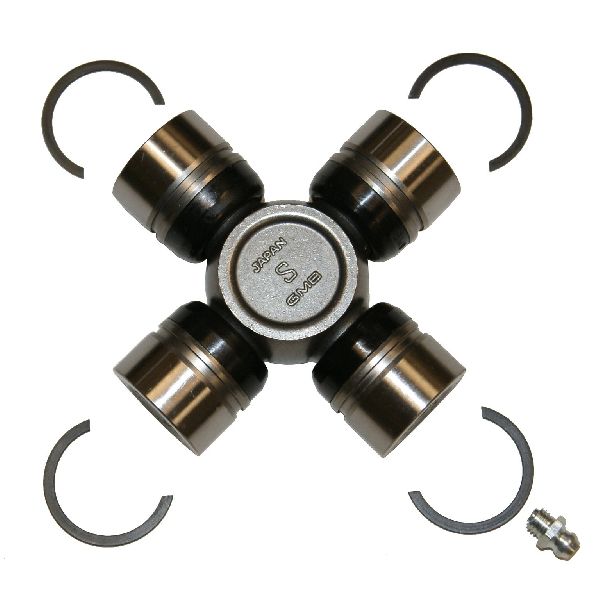
| Standard / OE-Quality | SKF, GMB | Daily drivers and stock restorations. These brands provide reliable performance that meets or exceeds original factory specs. GMB is a well-regarded Japanese manufacturer often seen as a good balance of quality and value. 🎬 Learn more about the benefits of choosing GMB universal joints. SKF is a major bearing manufacturer with a reputation for quality, though some forum users have noted inconsistencies. |
Greasable vs. Non-Greasable U-Joints
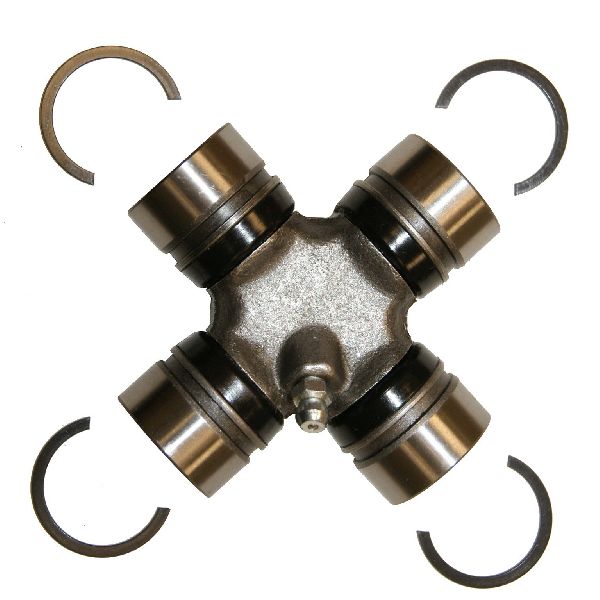
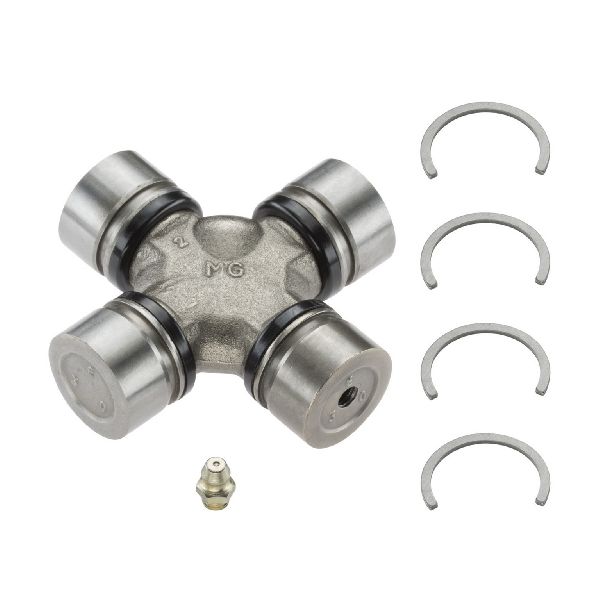
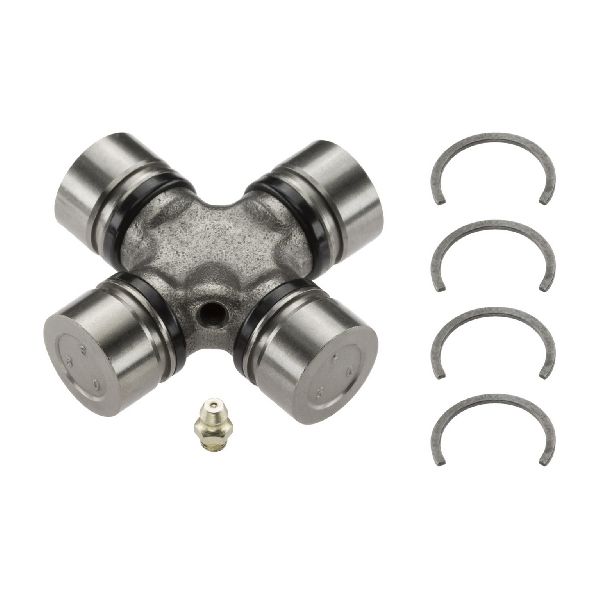
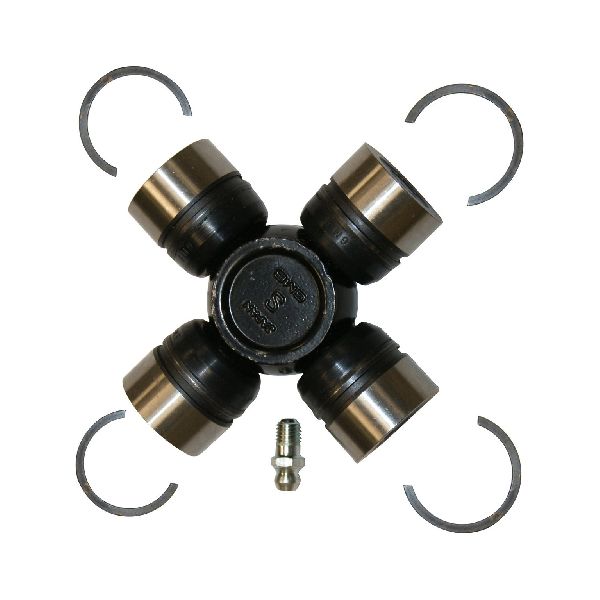
You'll find both "greasable" (with a zerk fitting for adding grease) and "non-greasable" (sealed) U-joints. For a classic car, greasable joints are a good choice as they allow you to flush out old grease and contaminants, potentially extending the part's life with regular maintenance (every 5,000 miles). Non-greasable joints are technically stronger because the cross isn't hollowed out for a grease channel, but this extra strength is usually only needed for high-horsepower racing applications. For a stock Dart, either type is acceptable, but greasable joints offer a serviceability advantage.
Known Issues, Recalls, and TSBs
For a vehicle of this age, modern-style Technical Service Bulletins (TSBs) are not applicable, and any safety recalls would have been issued decades ago. A search of the NHTSA database shows a recall for the 1967 Dart related to a brake master cylinder bolt, but nothing concerning the universal joints. The most common issues are simply age-related wear and tear.
Frequently Asked Questions (FAQ)
How many U-joints does my 1960-1967 Dart have?
Most standard 1960-1967 Dodge Darts have two universal joints on the rear driveshaft: one at the transmission end (front) and one at the differential end (rear).
Is replacing a U-joint a DIY job?
Yes, for a mechanic with some experience. The process involves removing the driveshaft, then using a press or a hammer and socket method to remove the old U-joint and install the new one. It requires care to avoid damaging the driveshaft yokes or the new U-joint's bearing caps. If you are not comfortable with this, a repair shop can do it relatively quickly.
Do I need to get my driveshaft balanced after replacing the U-joints?
It is highly recommended. While not always strictly necessary if you are careful to mark the driveshaft's orientation before removal, having it balanced at a driveline shop is the best way to ensure a smooth, vibration-free ride after the repair. This is especially true if you had vibrations before the replacement.
Should I replace both U-joints at the same time?
Yes. It is best practice to replace both U-joints at the same time. If one has failed due to age and mileage, the other is likely not far behind. Since the driveshaft must be removed to replace either one, you will save time and labor by doing both at once.
Helpful Videos
Technical Specifications
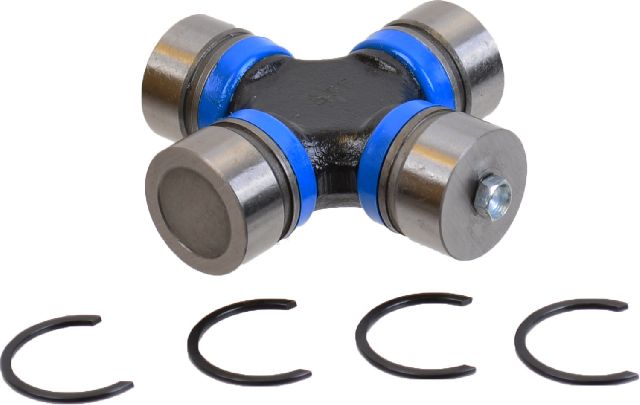
The 1960-1967 Dodge Dart typically uses U-joints from the 1310 or similar series, but it is critical to measure your existing parts or check a specific fitment guide. Bearing cap diameter and the width of the joint (inside or outside lock-up) are key measurements. For example, some premium joints list a 1.078-inch bearing cap diameter and a 2.125-inch inside lock-up.
We Have This Part in Stock

The information in this article is provided for general reference and educational purposes only. Vehicle specifications, procedures, and part compatibility can vary by production date, trim level, and region. Always consult your vehicle's factory service manual and verify part numbers before purchasing or performing repairs. Safety-critical components such as airbags, seat belts, and braking systems should be installed by a qualified professional.