

Engine Coolant Bypass Hose: A Guide for the 1960-1970 Dodge Dart
Keep your classic Dart's engine temperature stable by understanding this small but critical hose.
- Verify your engine (Slant-6 or V8) and year to ensure you buy the correct hose with the right diameter and shape.
- A failing bypass hose can lead to critical engine overheating. Watch for leaks, coolant smells, or a spongy feel.
- Modern aftermarket brands like Gates, Dayco, and Continental offer superior quality to aged original parts.
- Always replace hose clamps when you replace the hose to ensure a secure, leak-free seal.
Signs of a Failing Coolant Bypass Hose
A bad bypass hose is a coolant leak waiting to happen. Because it's a rubber part exposed to constant temperature changes and engine bay chemicals, it will eventually wear out. Catching the signs early can prevent you from being stranded with an overheating engine.
- Visible Coolant Leaks: You might see drips or puddles of green, orange, or pink fluid under your car, especially near the front of the engine. The hose itself may look wet or be covered in crusty, colored deposits.
- Engine Overheating: If the hose fails completely, you will lose coolant rapidly. This can cause the engine's temperature gauge to spike into the red, which can lead to severe engine damage.
- Low Coolant Level: A slow leak might not leave a puddle, but you'll notice the coolant level in your radiator or overflow tank is consistently low. You may also smell the sweet scent of coolant after driving as it leaks onto hot engine parts and turns to steam.
- Damaged Hose: Look at the hose itself. If it feels spongy, brittle, or mushy, or if you see cracks, splits, or bulges, it needs to be replaced immediately.
Choosing the Right Aftermarket Bypass Hose
For a classic vehicle like the 1960-1970 Dodge Dart, you don't need to hunt for a rare "New Old Stock" (NOS) OEM part. Rubber degrades over time, so a 50-year-old hose would be unreliable. Today's aftermarket hoses from reputable brands are made with modern EPDM rubber, which is far more resistant to heat, ozone, and chemicals than the original parts. The most important factor is getting the correct fit for your Dart's specific engine and year.
Pro Tip: Check Your Engine
The Dodge Dart was available with different engines, primarily the Slant-6 and various small block V8s (like the 273, 318, and 340). These engines use different bypass hoses. For example, some 1970 and later V8s use a 1-inch inner diameter hose, while earlier models may use a 3/4-inch hose. Always verify your engine type and, if possible, measure your old hose before ordering.
Brand Quality: Continental vs. Dayco vs. Gates
You can't go wrong with any of these established brands. All three are known for making quality replacement parts that meet or exceed original specifications.
- Gates: Often considered an OEM supplier for many American auto manufacturers, Gates has a strong reputation for quality and proper fitment. Many mechanics trust them for reliability.
- Dayco: Dayco hoses are also a high-quality choice. Some users in forums note that they can sometimes be slightly thicker than other brands, which they prefer.
- Continental: Another top-tier supplier, Continental (sometimes branded as ContiTech) produces excellent hoses that are trusted in the aftermarket.
Ultimately, owner and mechanic experiences show that fitment is the biggest concern. Choosing any of these three brands is a safe bet, so your decision can be based on price and availability.
| Part Type | Price Range |
|---|---|
| New Aftermarket (Continental, Dayco, Gates) | $16.58 - $81.22 |
| New OEM (NOS) | Not Recommended (age-degraded rubber) |
| Shop Labor | $75 - $150 |
Frequently Asked Questions (FAQ)
Do I need special tools to replace a bypass hose?
No, basic hand tools are usually sufficient. You'll need a screwdriver or socket to loosen the hose clamps, pliers to help remove the old hose, and a drain pan to catch the coolant. It's a very DIY-friendly job.
Should I replace my hose clamps at the same time?
Yes, it is highly recommended. Old hose clamps can lose their tension or corrode, leading to leaks even with a new hose. Many mechanics prefer using new spring-style clamps as they provide consistent 360-degree pressure as the hose expands and contracts with temperature.
Why is there such a big price difference in aftermarket hoses?
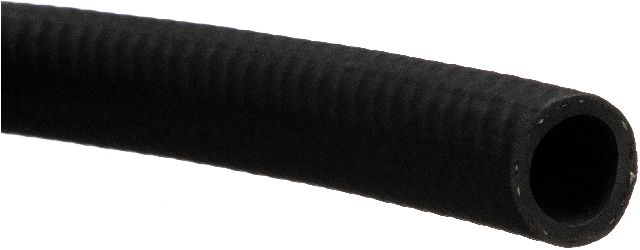
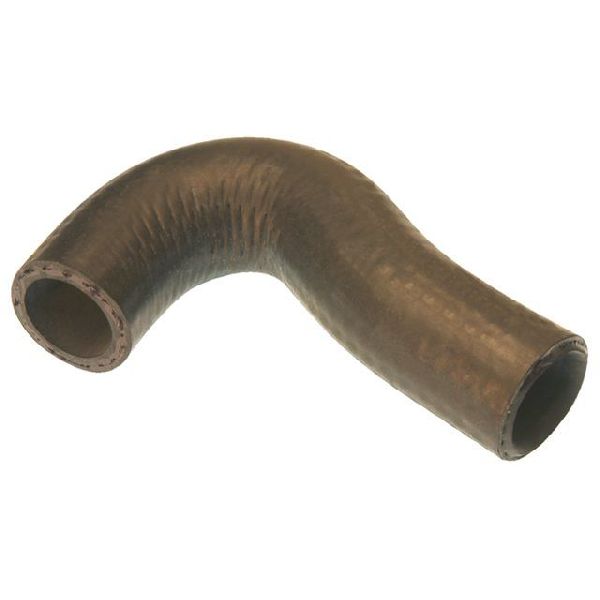
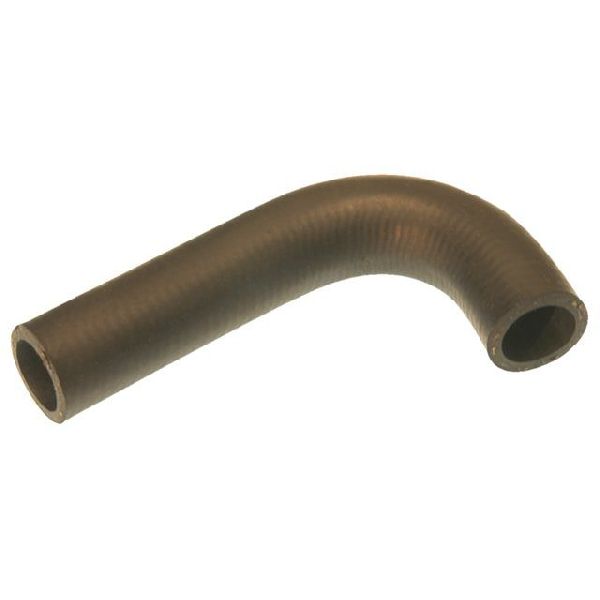
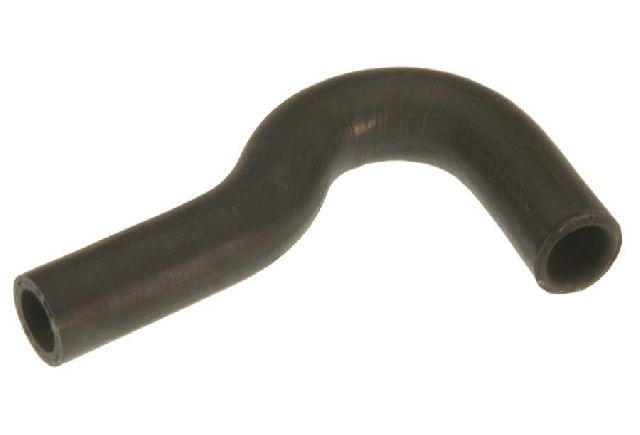
The price variation often comes down to the complexity of the hose. A simple, straight piece of hose is less expensive than a custom-molded hose with multiple specific bends required for a particular engine configuration. Hoses for less common engine options may also be priced higher.
Is this the same as a heater hose?
No. While they are both part of the cooling system, the bypass hose circulates coolant within the engine block. Heater hoses are typically longer and run from the engine to the firewall, carrying hot coolant to the heater core to warm the vehicle's cabin.
Technical Specifications
OEM Part Numbers: 22776
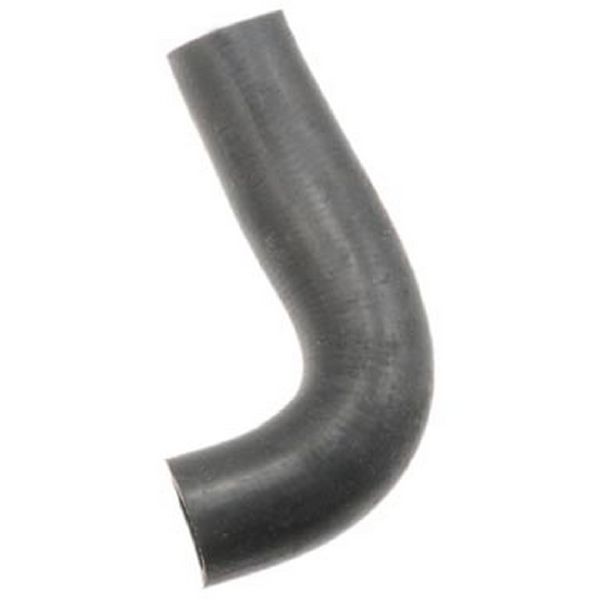
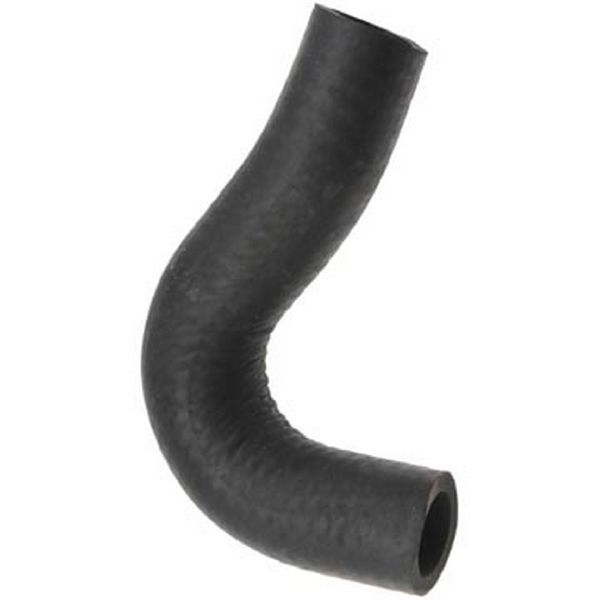
Material: EPDM Rubber. Varies by engine type; common inner diameters are 3/4 inch and 1 inch. Can be a straight or molded hose.
We Have This Part in Stock

The information in this article is provided for general reference and educational purposes only. Vehicle specifications, procedures, and part compatibility can vary by production date, trim level, and region. Always consult your vehicle's factory service manual and verify part numbers before purchasing or performing repairs. Safety-critical components such as airbags, seat belts, and braking systems should be installed by a qualified professional.