

Ford Falcon Ignition Switch Guide: 1960-1970
Everything you need to know about choosing the right new ignition switch for your classic Falcon.
- A bad ignition switch can cause a no-start condition, stalling, or flickering accessories.
- For this classic Falcon, Standard Ignition is a well-regarded aftermarket brand known for quality.
- Replacement is a simple DIY job that usually takes less than an hour with basic tools.
- Always disconnect the battery before beginning the replacement to ensure safety.
Is Your Falcon's Ignition Switch Failing?
The ignition switch in a classic 1960-1970 Ford Falcon is a straightforward mechanical part, but it's also one of the most used components in your car. After 50+ years of turning the key, the internal contacts can wear out, leading to a range of frustrating electrical problems. If you're experiencing issues like your car not starting, stalling, or accessories cutting out, a failing ignition switch is a likely culprit. Fortunately, replacing it is a manageable job for a DIY mechanic.
Common Symptoms of a Bad Ignition Switch
A faulty ignition switch can cause problems that mimic other issues, like a bad battery 🎬 Watch this guide on ten common ignition switch warning signs. or starter. Here’s what to look for:
- No-Crank, No-Start: You turn the key to the "Start" position and get nothing—no click, no crank, just silence. This happens when the switch's internal contacts are too worn to send power to the starter.
- Engine Stalls While Driving: A worn switch can lose connection if you hit a bump, causing the engine to shut off suddenly. This is a serious safety issue.
- Accessories Don't Work: If your radio, heater blower, or gauges only work intermittently or not at all, the switch may not be providing power to the accessory circuits.
- Key is Hard to Turn or Feels Loose: While sometimes related to the lock cylinder, excessive wear can make the switch itself feel stiff or sloppy.
- Starts and Immediately Dies: The switch might provide enough power to start the engine but fail to keep the ignition system powered, causing it to stall right away.
Safety First: Disconnect the Battery
Before starting any work on your Falcon's ignition system, always disconnect the negative battery terminal. This prevents accidental shorts that could damage the electrical system or cause injury.
Choosing the Right Aftermarket Ignition Switch
For a classic vehicle like the 1960-1970 Falcon, new OEM (Original Equipment Manufacturer) parts from Ford are no longer available. Your options are New Old Stock (NOS), which are rare and expensive, or new aftermarket parts. For a component like an ignition switch, a quality aftermarket part offers the best value and reliability.
Brand Quality: Aftermarket Options
When shopping for a replacement, you'll likely come across two main brands:
- Standard Ignition (Standard Motor Products): This is a well-regarded brand in the aftermarket world, known for producing quality ignition components for decades. For American-built vehicles like the Falcon, their parts are generally considered reliable and a good-quality replacement. Many professional mechanics and long-time hobbyists trust Standard parts.
- Rostra Powertrain: Rostra is another established aftermarket manufacturer. While they produce a wide range of automotive parts, including solenoids and switches, they are less commonly cited by classic Ford owners specifically for ignition switches compared to Standard. However, they are generally considered a viable option.
Pro Tip: Given its long-standing reputation for quality in classic American applications, Standard Ignition is often the preferred choice for a part like this.
Cost of a New Aftermarket Ignition Switch
Here is a breakdown of what you can expect to pay for an ignition switch for your 1960-1970 Ford Falcon.
| Part Type | Estimated Cost |
|---|---|
| New Aftermarket (Rostra, Standard Ignition) | $20.56 - $50.52 |
| Shop Labor | $90 - $150 |
Frequently Asked Questions (FAQ)
Do I need to replace the lock cylinder at the same time?
Not necessarily. The ignition switch is the electrical part behind the dash, while the lock cylinder is the mechanical tumbler your key goes into. If your key still turns smoothly and isn't worn, you can often reuse the original lock cylinder. The removal process usually involves inserting the key, turning it to the "Accessory" position, and pushing a small pin with a paperclip 🎬 See how to remove the lock cylinder and switch assembly. to release the cylinder.
Is replacing the ignition switch a difficult job?
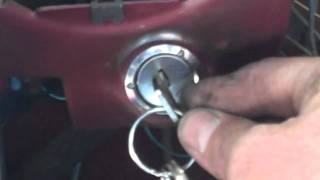
For a 1960s Falcon, this is a very DIY-friendly job. It typically involves removing the bezel nut on the dashboard, unplugging the wiring connector from the back of the switch, and swapping in the new one. 🎬 Follow this video for a step-by-step ignition switch installation. No special tools are required beyond basic hand tools and perhaps a paperclip. The entire process usually takes less than an hour.
Are there any recalls for the 1960-1970 Falcon ignition switch?
No, searches of the National Highway Traffic Safety Administration (NHTSA) database and other records show no specific recalls for ignition switches on the 1960-1970 Ford Falcon. Recalls for ignition systems on other Ford models from different eras do not apply to these vehicles.
What is the most common mistake when ordering this part?
A common issue is confusing the ignition switch with the starter solenoid. The ignition switch is on the dashboard where you insert the key. The solenoid is typically mounted on the fender wall in the engine bay. If your car clicks but doesn't crank, the problem might be the solenoid, not the switch. If it does nothing at all (no click, no lights), the switch is a more likely suspect.
Helpful Videos
Technical Specifications
OEM Part Numbers: C3AZ-11572-A C0AZ-11572-A
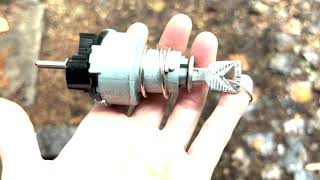
Dash-mounted, key-operated electrical switch with multiple positions (Accessory, Off, On, Start).
We Have This Part in Stock


The information in this article is provided for general reference and educational purposes only. Vehicle specifications, procedures, and part compatibility can vary by production date, trim level, and region. Always consult your vehicle's factory service manual and verify part numbers before purchasing or performing repairs. Safety-critical components such as airbags, seat belts, and braking systems should be installed by a qualified professional.