

Accessory Drive V-Belt Guide for the 1960-1970 Mercury Comet
Keep your classic Comet's accessories running smoothly by understanding and choosing the right V-belts.
- Your 1960-1970 Comet uses multiple V-belts, not a single serpentine belt; inspect them all.
- Proper belt tension is critical; too loose and it will slip, too tight and it will damage accessory bearings.
- Squealing noises are a direct warning of a worn or loose belt that needs attention.
- Modern aftermarket brands like Gates, Dayco, and Continental are reliable and widely available replacements.
Understanding Your Comet's V-Belt System
The accessory drive system on the 1960-1970 Mercury Comet is a classic V-belt design. These belts have a trapezoidal shape that wedges into the pulleys for grip. The number of belts your car has depends on the engine (from a 144ci inline-six to a 390ci V8) and the options it came with, like power steering or A/C. Regular inspection and replacement of these belts is a key part of maintaining your classic vehicle.
Symptoms of a Failing Drive Belt
A failing V-belt will almost always give you a warning sign before it breaks completely. Ignoring these signs can lead to a breakdown, often at the worst possible time.
- Squealing Noises: The most common symptom is a high-pitched squeal, especially when starting the engine, accelerating, or turning the steering wheel. This noise is caused by the belt slipping on a pulley because it's worn, glazed, or loose.
- Visible Wear and Tear: A visual inspection can reveal a lot. Look for cracks, fraying, missing chunks, or a shiny, glazed appearance on the belt's surface.
- Accessory Problems: If you notice your headlights dimming at idle, the battery isn't charging correctly, or the power steering feels heavy, the belt driving that specific accessory could be failing.
- Engine Overheating: If the belt that drives the water pump fails, the engine will overheat very quickly. This is a critical failure that requires you to stop the engine immediately to prevent severe damage.
Critical Failure Warning
If your temperature gauge suddenly starts to rise, pull over safely and shut off the engine immediately. A broken water pump belt is the likely cause, and continuing to drive can lead to catastrophic engine failure.
Choosing the Right Aftermarket Belts
For a vehicle of this era, new OEM belts from Ford are no longer available. The market consists of high-quality aftermarket brands that often exceed the original specifications thanks to modern rubber compounds like EPDM. The three main brands available—Gates, Dayco, and Continental—are all excellent choices.
- Gates: Often considered a top-tier brand and an original equipment supplier to many American auto manufacturers. Gates belts are known for their durability and reliability, making them a safe, high-quality choice.
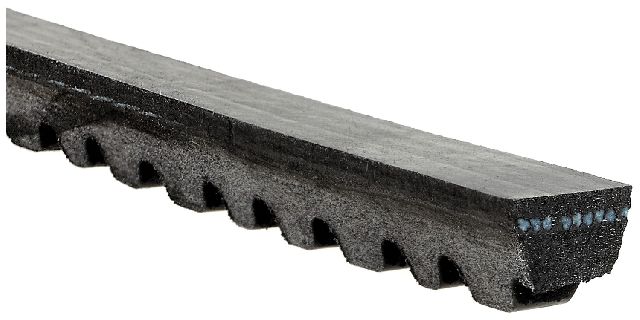
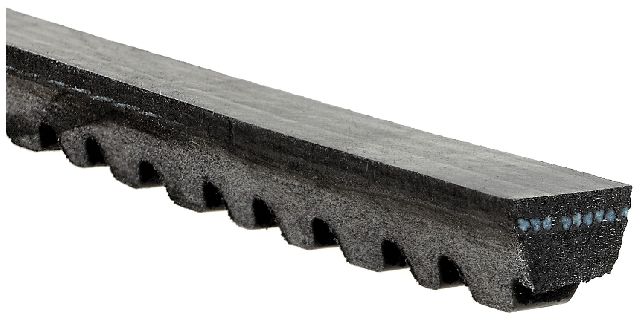
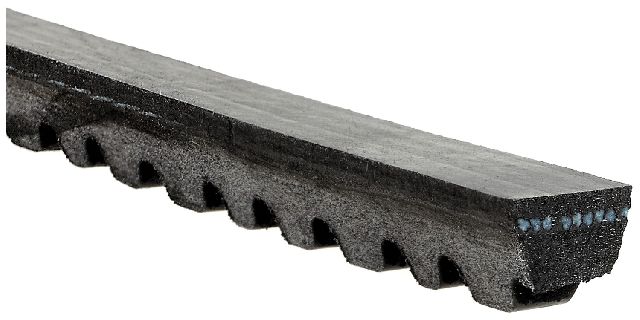
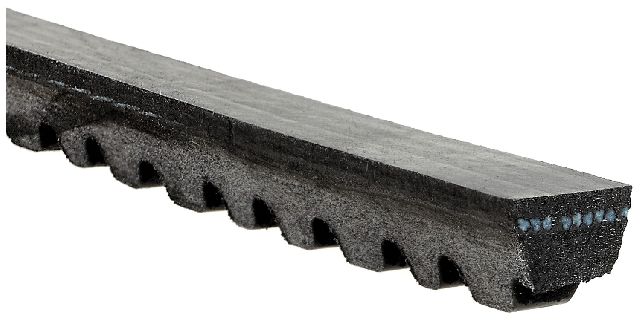
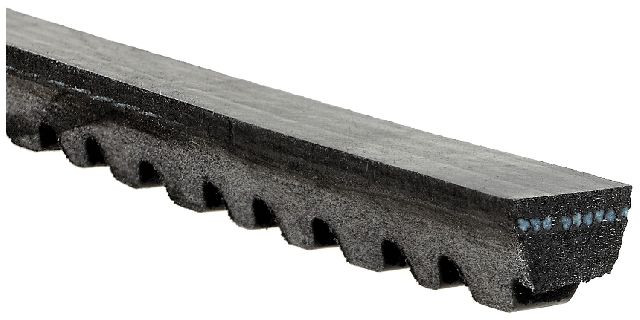
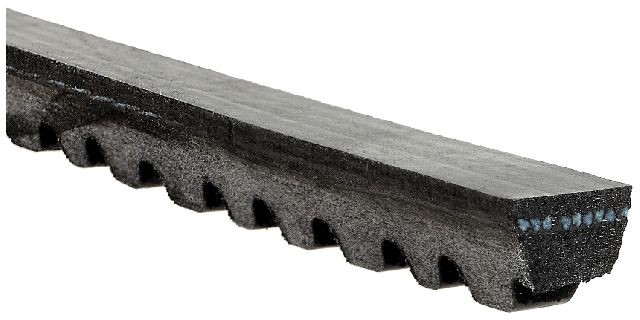
- Dayco: Another well-respected brand that produces quality V-belts. Some users prefer their "Top Cog" belts, which have notches on the underside. These notches can help the belt run cooler and flex more easily around smaller pulleys.
- Continental: A major global manufacturer known for quality rubber products. While sometimes more associated with European cars, they produce excellent belts for all applications and are a trusted name in the industry.
Pro Tip: Replace Belts in Sets
If one belt is old enough to fail, the others are likely not far behind. It's good practice to replace all the accessory drive belts at the same time to ensure reliability and save on future labor.
Estimated Replacement Costs
Replacing V-belts is one of the more affordable maintenance jobs on a classic Comet. The parts are inexpensive, and labor is straightforward for any competent mechanic.
| Part/Service | Estimated Cost |
|---|---|
| Aftermarket V-Belt (per belt) | $5 - $25 |
| Shop Labor | $100 - $150 |
| Total Estimated Cost | $105 - $175 |
Frequently Asked Questions (FAQ)
Can I replace the drive belts myself?
Yes, this is a very DIY-friendly job on a 1960-1970 Comet. The process involves loosening the bolts on an accessory (like the alternator), which allows it to pivot and release tension on the belt. You then swap the old belt for the new one and re-tension it by prying the accessory back into position before tightening the bolts. The key is achieving proper tension—not too loose, not too tight.
How do I know if the belt is tight enough?
A widely accepted rule of thumb is the "half-inch deflection" test. On the longest span of the belt between two pulleys, you should be able to press it down with your thumb about half an inch. If it moves more, it's too loose. If it barely moves, it's too tight, which can damage the bearings in your alternator or water pump.
How many belts does my Comet have?
It depends on the engine and options. A base model six-cylinder might only have one or two belts. A fully-loaded V8 with power steering and air conditioning could have three or four separate belts. It's best to visually inspect your engine to confirm the number and routing of your belts before ordering parts.
What's the difference between a cogged and a standard V-belt?
A standard V-belt has smooth inner walls. A cogged (or notched) V-belt has cuts on the inner surface. These notches allow the belt to bend more easily around small pulleys and can help dissipate heat, potentially increasing the belt's life. Both types work well, and brands like Dayco are well-known for their cogged belts.
Technical Specifications
The 1960-1970 Mercury Comet uses a multiple V-belt system. The exact quantity, length, and width of the belts vary significantly depending on the model year, engine size (I6 or V8), and factory-installed accessories like power steering and air conditioning. Always verify the specific belts required for your vehicle's configuration before purchasing.
We Have This Part in Stock

The information in this article is provided for general reference and educational purposes only. Vehicle specifications, procedures, and part compatibility can vary by production date, trim level, and region. Always consult your vehicle's factory service manual and verify part numbers before purchasing or performing repairs. Safety-critical components such as airbags, seat belts, and braking systems should be installed by a qualified professional.