

Mercury Comet Automatic Transmission Mount Guide: 1960-1970
Stop the clunks and vibrations in your classic Comet by choosing the right transmission mount.
- The main symptom of failure is a clunking noise when accelerating or shifting.
- OEM parts are not available; you must choose between standard rubber or performance polyurethane aftermarket mounts.
- For a smooth, factory-like ride, choose a rubber mount. For performance and durability, choose polyurethane but expect more vibration.
- This is a simple and inexpensive DIY repair that can prevent stress on other drivetrain components.
Is Your Comet's Transmission Mount Failing?
For a classic car like the 1960-1970 Mercury Comet, the original rubber parts are well past their intended lifespan. The transmission mount is no exception. Age, heat, and exposure to fluids cause the rubber to crack, harden, or turn into mush. When it fails, the transmission is no longer held securely, leading to a number of noticeable problems.
Common Symptoms of a Bad Mount
- Clunking or Banging Noises: The most common sign is a loud clunk when you accelerate, decelerate, or shift gears from drive to reverse. This is the sound of the transmission shifting and hitting other parts of the car's underbody.
- Excessive Vibration: You may feel a new or worsening vibration in the floor or seat, especially when the car is idling in gear. A good mount is supposed to absorb these vibrations, so feeling them means the mount has likely failed.
- Drivetrain Movement: In some cases, you can physically see the engine and transmission assembly move excessively if someone revs the engine slightly while you watch from the side. This movement puts extra stress on hoses, wiring, and driveshaft components.
Choosing the Right Aftermarket Mount
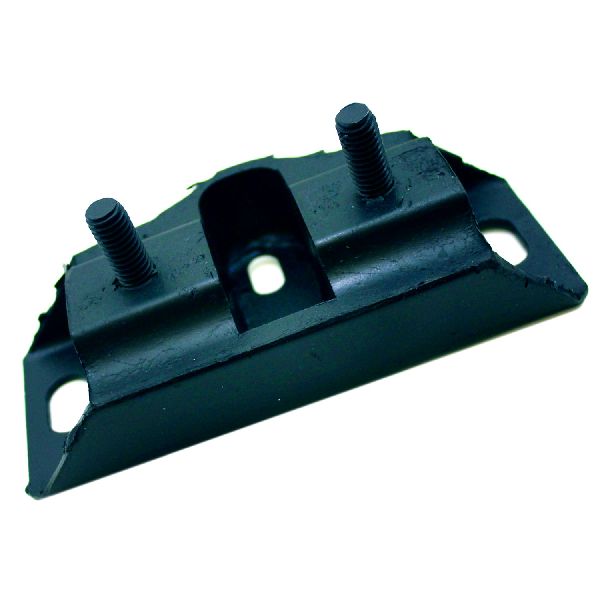
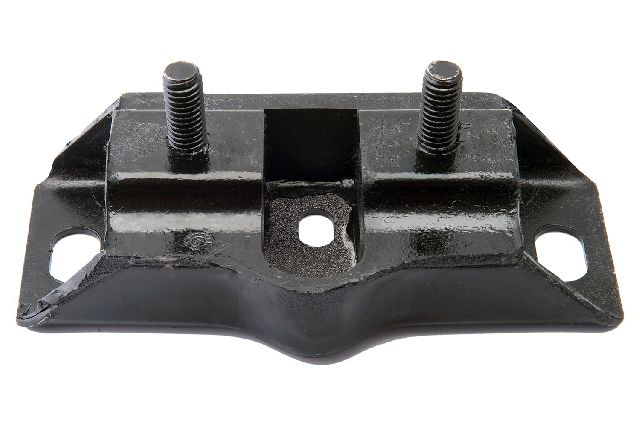
Original Ford (OEM) mounts for a 1960-1970 Comet are no longer produced. The market consists entirely of aftermarket reproductions. Your choice comes down to two main categories: standard rubber replacements or a performance-oriented polyurethane upgrade.
Tier 1: Standard Replacement (Rubber)
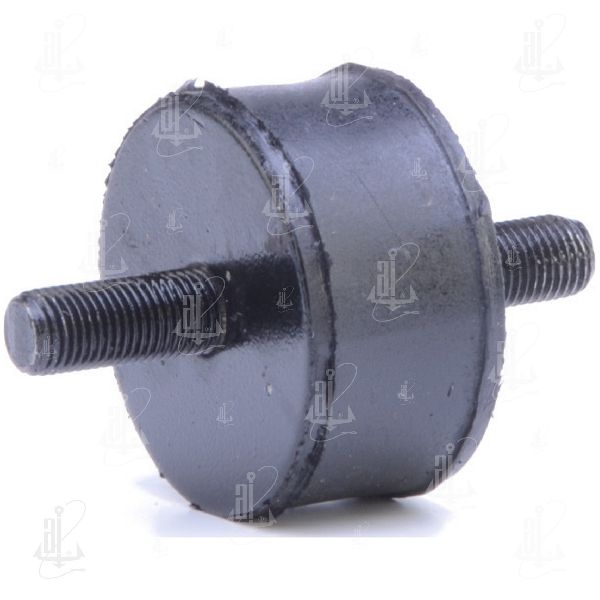
Brands like Anchor, DEA, and Westar offer direct, factory-style rubber mounts. They are designed to mimic the original part's feel and are very affordable.
- Pros: Inexpensive, maintains the original smooth and quiet ride.
- Cons: Quality can be inconsistent. Forum users report mixed experiences, with some parts failing prematurely or having fitment issues like incorrect angles or thin metal brackets. While many have used them without issue, they are generally considered a budget-level repair.
- Pioneer: Some classic car owners have noted that Pioneer brand rubber mounts can be of higher quality, more closely resembling the original factory parts. If available, they may be a better choice for a standard replacement.
Tier 2: Performance Upgrade (Polyurethane)
Prothane is a well-known brand that offers a transmission mount made of polyurethane, a much harder and more durable material than rubber.
- Pros: Extremely durable and long-lasting. It will hold the transmission much more firmly, reducing drivetrain movement and improving throttle response.
- Cons: The main drawback is a significant increase in Noise, Vibration, and Harshness (NVH). Because polyurethane is so stiff, more vibrations from the transmission are transferred into the car's cabin. This can make for a rougher, noisier ride that may not be desirable for a classic cruiser. Some users also report needing to modify the part to get it to fit correctly.
Cost of Replacing Your Transmission Mount
This is one of the most affordable repairs for your Comet. The part itself is inexpensive, and labor is minimal.
| Part Type | Estimated Cost |
|---|---|
| New Aftermarket (Rubber - Anchor, DEA, Westar) | $6.51 - $15.00 |
| New Aftermarket (Polyurethane - Prothane) | $18.00 - $22.00 |
| Shop Labor | $75 - $150 |
| Total Professional Replacement | $82 - $172 |
Known Issues & Recalls
There are no active or historical recalls from the NHTSA specifically for the automatic transmission mount on the 1960-1970 Mercury Comet. The primary issue is simply the age-related failure of the original rubber components. The most common problem with aftermarket parts is poor quality control on budget brands.
Frequently Asked Questions
Can I still find an original Ford (OEM) mount?
No, new OEM mounts are not available from Ford. The only possibility would be finding a "New Old Stock" (NOS) part from a private seller, which would be rare, expensive, and still feature 50+-year-old rubber that may be brittle. For this part, a new aftermarket reproduction is the only practical option.
Is a polyurethane mount better than a rubber one?
It depends on your goal. If you want maximum durability and a firmer, performance feel, polyurethane is better. If you want to maintain the smooth, quiet ride your Comet was designed for, a quality rubber mount is the better choice. For most classic car owners who use their car as a cruiser, rubber is the preferred option to avoid extra cabin vibration.
How hard is it to replace the transmission mount myself?
This is a great DIY project for a home mechanic. The process is straightforward: safely support the transmission with a jack, unbolt the crossmember, swap the mount, and bolt everything back together. It typically takes less than an hour with basic tools.
Will a bad transmission mount cause my transmission to fail?
Not directly, but it shouldn't be ignored. The excessive movement caused by a bad mount puts stress on other parts, including the driveshaft U-joints, engine mounts, exhaust system, and even coolant hoses. Replacing it is cheap insurance against more expensive problems down the road.
Does this mount fit other cars?
Yes. The transmission mount used on many Comets is shared with other Ford vehicles from the same era, such as the Ford Falcon, Fairlane, and Mustang. This interchangeability makes finding a replacement part relatively easy.
Technical Specifications
OEM Part Numbers: C4DZ-6068-A C2DA-6A061-A
The transmission mount for the 1960-1970 Mercury Comet is often shared with the Ford Falcon, Fairlane, and Mustang of the same era, particularly those with C4 automatic transmissions. Early models (approx. 1961-1965) may use a 'cantilever' style mount, while later models use a more common block-style insulator. Always verify the style needed for your specific year and model.
We Have This Part in Stock


The information in this article is provided for general reference and educational purposes only. Vehicle specifications, procedures, and part compatibility can vary by production date, trim level, and region. Always consult your vehicle's factory service manual and verify part numbers before purchasing or performing repairs. Safety-critical components such as airbags, seat belts, and braking systems should be installed by a qualified professional.
- 🛍️ Shop This Part
- Is Your Comet's Transmission Mount Failing?
- Common Symptoms of a Bad Mount
- Choosing the Right Aftermarket Mount
- Tier 1: Standard Replacement (Rubber)
- Tier 2: Performance Upgrade (Polyurethane)
- Cost of Replacing Your Transmission Mount
- Known Issues & Recalls
- Frequently Asked Questions
- 🎟️ Get 5% Off