

Mercury Comet Universal Joint Replacement Guide (1960-1970)
Getting rid of that clunk or vibration from your Comet's driveline starts with the right U-joint.
- A clunk when shifting or a vibration while driving are the most common signs of a bad U-joint.
- For reliability, Dana/Spicer is the most recommended aftermarket brand among enthusiasts.
- You must choose between a maintenance-free sealed joint (stronger) or a serviceable greasable joint (potentially longer-lasting if maintained).
- Verify the exact size needed for your Comet's year and drivetrain, as multiple sizes were used. Measuring the old part is the safest bet.
Is Your Comet Trying to Tell You Something?
A failing universal joint doesn't usually die silently. It gives you warnings. Because the 1960-1970 Mercury Comet has a simple and direct rear-wheel-drive setup, these symptoms are often very noticeable to the driver. Ignoring them can lead to more significant and expensive damage if the driveshaft breaks free while you're driving.
Common Failure Symptoms
- "Clunk" on Shifting: A loud clunking or ringing sound when you shift into Drive or Reverse is a classic sign. This is the sound of slack in the worn-out U-joint being taken up suddenly.
- Vibration While Driving: A vibration that gets worse as you speed up is a primary symptom. You might feel it in the floor, the seat, or the steering wheel. This happens because the worn joint can no longer hold the driveshaft perfectly centered, causing it to wobble as it spins.
- Squeaking or Chirping: A rhythmic squeak that changes with your speed, especially noticeable when you first start moving, points to a dry, unlubricated U-joint. This is the joint crying out for grease that it can no longer hold.
Choosing the Right Aftermarket U-Joint
Since new original equipment (OEM) parts for a 1960s Comet are long gone, you'll be choosing from modern aftermarket brands. The good news is that today's manufacturing and materials are often superior to what was available in the 1960s. The most important decision you'll make is between brands and whether to get a greasable or a sealed joint.
Aftermarket Brand Tiers for Mercury Comet
| Tier | Brands | Assessment |
|---|---|---|
| Premium / Heavy Duty | Dana/Spicer, Yukon Gear | Spicer is widely considered the gold standard by mechanics and classic car enthusiasts for driveline parts. They are known for durability and are often compared to original equipment quality. Yukon Gear offers high-strength joints, often for performance or heavy-duty use, which can be a good choice for modified Comets. |
| Standard / OEM-Equivalent | SKF, GMB | SKF and GMB are reputable brands that offer a good balance of quality and price. They are a solid choice for a daily driver or a stock restoration where ultimate strength isn't the primary concern. |
| Economy / Mixed Reviews | Moog | While once a top-tier brand, Moog's current U-joint quality is inconsistent according to many forum users. While some have success, many others recommend choosing Spicer instead due to concerns about manufacturing quality. |
Greasable vs. Sealed: Which is Better for Your Comet?
This is a major debate with good arguments on both sides.
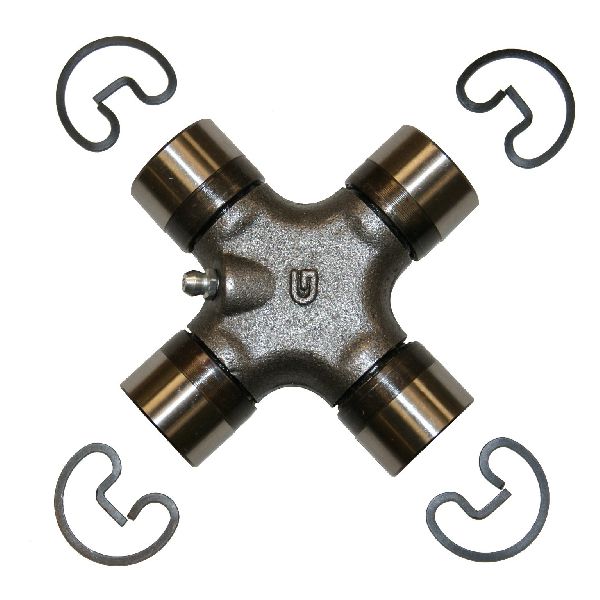
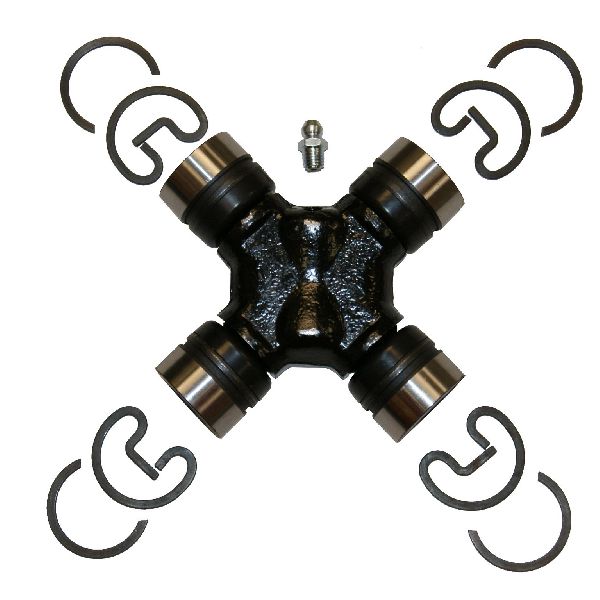
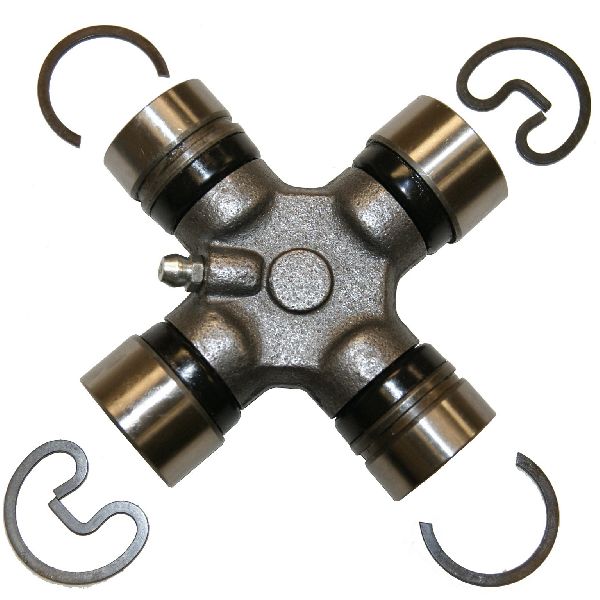
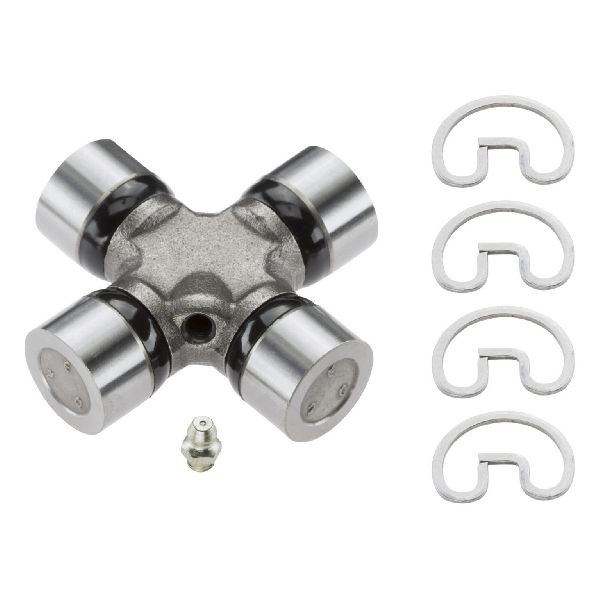
- Sealed (Non-Greasable) U-Joints: These are stronger because the main body (the cross) is solid steel, not drilled out for grease passages. They are maintenance-free and are what most modern cars use. The downside is that if a seal does fail and contaminants get in, you can't flush them out with new grease; the joint must be replaced.
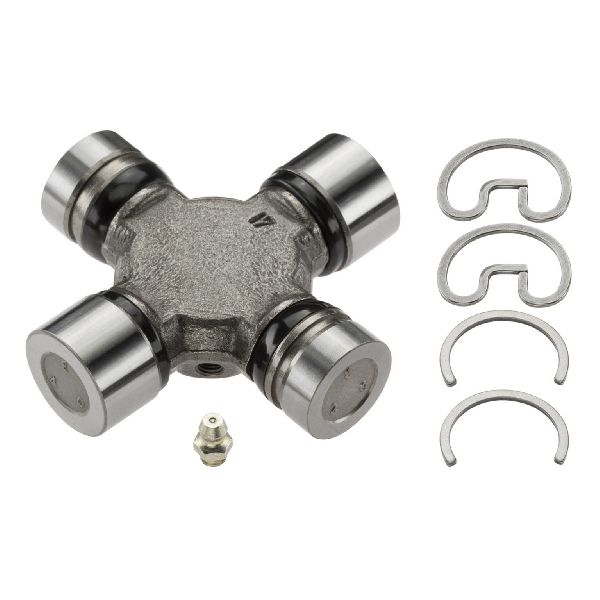
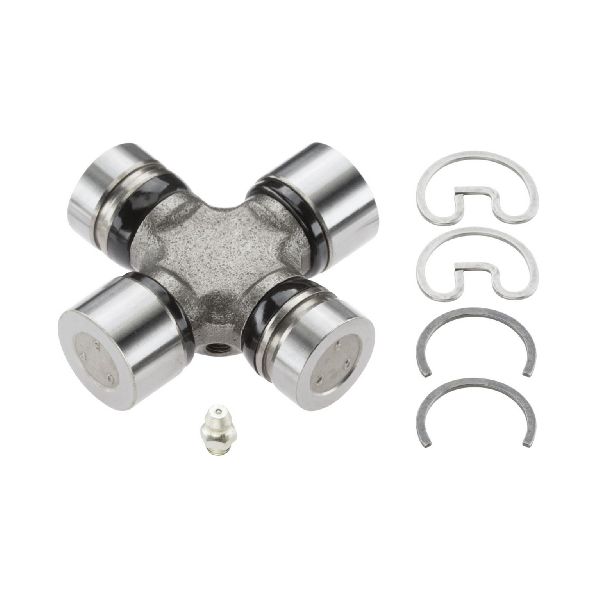
- Greasable U-Joints: These are what your Comet likely had from the factory. Their biggest advantage is serviceability. You can pump fresh grease in every few thousand miles, which pushes out old grease and any moisture or dirt. A well-maintained greasable joint can outlast a sealed one. The main drawbacks are that they require regular maintenance, and the drilled passages for the grease can create a slight structural weakness compared to a solid, sealed joint.
Pro Tip: For a stock Comet that is driven regularly, a quality sealed U-joint from a brand like Spicer offers a great "fit and forget" option. If you enjoy doing your own maintenance and want the absolute longest possible lifespan, a greasable joint that you service regularly is an excellent choice.
Known Issues & Recalls
There are no specific recalls or Technical Service Bulletins (TSBs) from the NHTSA regarding universal joints for the 1960-1970 Mercury Comet. This is a common wear item, and failures are typically handled through routine maintenance and repair rather than safety campaigns. The most common "issue" reported by owners is installing the wrong size part, as different engine and transmission combinations over the years used different U-joint sizes.
Frequently Asked Questions (FAQ)
How many U-joints does my 1960-1970 Comet have?
Most Comets have a one-piece driveshaft with two universal joints: one at the transmission end (front) and one at the rear axle end (rear).
Is replacing a U-joint a DIY job?
Yes, for a mechanic with some experience. It involves removing the driveshaft, which is usually held on by four U-bolts at the rear. You will then need a bench vise and either a U-joint press or a large socket and hammer to carefully press the old joints out and the new ones in. If you are not comfortable with this, a repair shop can do it relatively quickly.
Do I need to get my driveshaft balanced after changing the U-joints?
If you are just replacing the U-joints and the driveshaft is otherwise in good condition (no dents or damage), you typically do not need to re-balance it. However, be sure to mark the driveshaft's orientation to the rear axle yoke before you remove it and reinstall it in the same position. This helps maintain its original balance.
How do I know which U-joint size to buy?
This is critical. The Comet shared platforms with the Falcon and Fairlane, and parts changed over its 11-year production run. The safest method is to remove and measure your old U-joint's cap diameter and overall width before ordering. Many parts suppliers also list parts by year, engine, and transmission, but verifying measurements is the best way to avoid a return trip.
Technical Specifications
The most common U-joint series for this era are the 1310 and 1330. It is essential to measure the cap diameter and width of your existing joints to ensure a correct match, as parts varied by year, engine, and transmission.
We Have This Part in Stock

The information in this article is provided for general reference and educational purposes only. Vehicle specifications, procedures, and part compatibility can vary by production date, trim level, and region. Always consult your vehicle's factory service manual and verify part numbers before purchasing or performing repairs. Safety-critical components such as airbags, seat belts, and braking systems should be installed by a qualified professional.