

A Guide to Replacing the Alternator on a 1960-1971 Chrysler Imperial
Keep your classic Imperial's charging system healthy by choosing the right modern alternator.
- Verify if your 1960 model has an alternator or an older generator, as some early-production cars still used generators.
- Decide between a stock-style externally regulated alternator or a modern internally regulated unit, which requires minor wiring changes.
- Consider a high-output brand like Powermaster if you have added modern electronics to handle the extra electrical load.
- During diagnosis, always check the external voltage regulator and its ground wire on the firewall, as it is a common point of failure.
Is Your Imperial's Alternator Failing?
An alternator rarely fails without warning. For a classic car like the 1960-1971 Imperial, the signs are usually obvious. Paying attention to them can prevent you from being stranded with a dead battery.
- Dimming or Flickering Lights: This is the most common symptom. You may notice the headlights or dash lights dim at idle and then brighten as you accelerate.
- Battery Warning Light: The 'AMP' or battery-shaped light on your dashboard may flicker or stay lit, indicating a problem with the charging system.
- A Repeatedly Dead Battery: If a new or known-good battery keeps dying, the alternator is the likely culprit because it is not recharging the battery as you drive.
- Slow or Malfunctioning Accessories: Power windows that are slow to operate, a radio that cuts out, or erratic gauge behavior can all point to the alternator not providing enough power.
- Strange Noises: A whining or grinding sound from the engine bay can indicate that the bearings inside the alternator are worn out and failing.
Choosing the Right Aftermarket Alternator
Original Mopar alternators for this era are no longer produced. Your choice is between a rebuilt original or a new aftermarket unit. For reliability and performance, a new aftermarket alternator is often the best path. The key decision is whether to get a direct replacement that uses the car's external voltage regulator or upgrade to a modern, internally regulated alternator.
Brand Quality Tiers
Not all aftermarket brands are the same. Based on owner feedback and reputation for classic cars, brands can be grouped into different tiers.
- Premium / Upgrade: Powermaster is a highly regarded brand in the classic Mopar community. They specialize in alternators that look like the original "round-back" factory units but offer higher amperage output (e.g., 95 amps vs. a stock 60). This is ideal for cars with added electrical components like electric fans, modern stereos, or fuel injection. Powermaster offers versions for both the original external regulator and modern 1-wire internal regulator conversions.
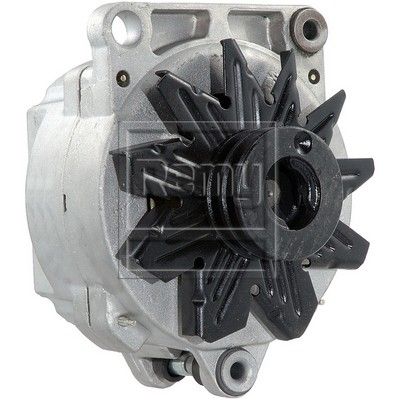
- Standard Replacement: Brands like ACDelco and Remy are widely available and offer a functional replacement. Owner reviews for these brands are often mixed. Some have good experiences, while others report early failures or receiving defective parts. Remy is part of BBB Industries, a major aftermarket supplier. While functional, these are not typically specialized for classic vehicles like Powermaster is.
- Economy: Brands like BBB Industries and MPA often fall into the standard or economy category. They are primarily remanufacturers but also sell new units. Quality can be inconsistent, but they serve as a budget-friendly option.
A Note on External Voltage Regulators
The 1960-1971 Imperial uses an external voltage regulator mounted on the firewall. These regulators are a common failure point and can cause charging problems even if the alternator is good. Always check that the regulator has a clean, solid ground connection to the vehicle body. If you are replacing your alternator due to charging issues, consider replacing the mechanical voltage regulator with a new electronic-style one for better reliability.
Cost of a New Aftermarket Alternator (1960-1971 Imperial)
| Part Type | Estimated Cost |
|---|---|
| New Aftermarket Alternator | $84 - $290 |
| Shop Labor for Installation | $100 - $200 |
Cost estimates are for parts and labor only and do not include taxes, fees, or diagnostics.
Frequently Asked Questions
Do I need a high-output alternator?
If your Imperial is mostly stock, a standard output alternator (around 60 amps) is sufficient. However, if you have added modern electronics like a powerful stereo, electric cooling fans, electronic fuel injection, or extra lighting, a high-output alternator of 95 amps or more is highly recommended. A higher output unit will keep the battery charged at idle when these accessories are running.
What's the difference between an external and internal regulator?
Your Imperial originally came with an external voltage regulator on the firewall to control the alternator's output. A direct-fit replacement alternator will use this system. An alternator with an internal regulator (often called a "1-wire" alternator) has the regulator built-in, which simplifies wiring and can be more reliable than the 60-year-old factory setup. Converting requires some simple wiring changes, including bypassing the old regulator.
Can I test my alternator at home?
Yes, you can perform a basic test with a multimeter. With the engine running at a fast idle (around 1,200 RPM), check the voltage across your battery terminals. A healthy charging system should read between 13.5 and 14.5 volts. If the voltage is below 12.6 volts, the alternator is likely not charging the battery. If it's above 15 volts, the voltage regulator may have failed, which can overcharge and damage your battery.
What was the 1960 alternator service bulletin about?
In 1960, Chrysler issued a service bulletin (No. 61-13) to dealers because the alternator was brand new technology. It warned technicians to be extremely careful when jump-starting or fast-charging a battery. Connecting the battery with reversed polarity or using a fast charger without disconnecting the car's battery cables could damage the alternator's internal rectifiers. This is still good advice today.
Technical Specifications
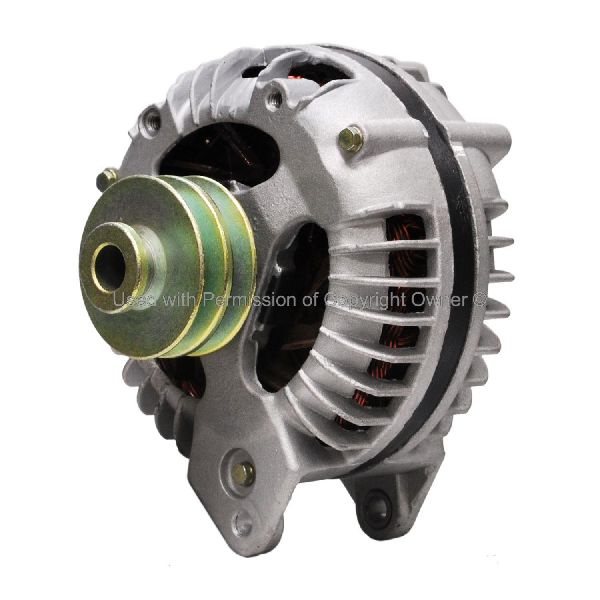
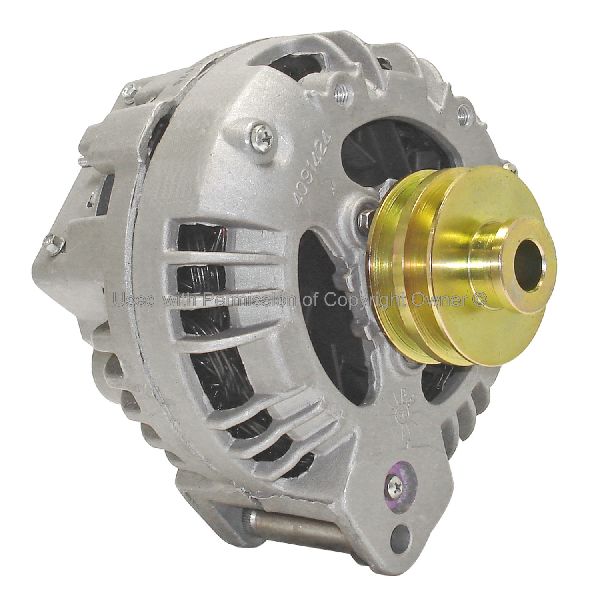
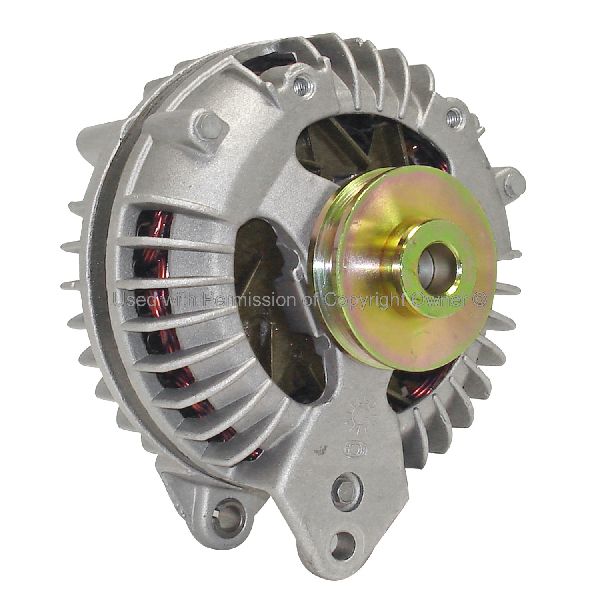
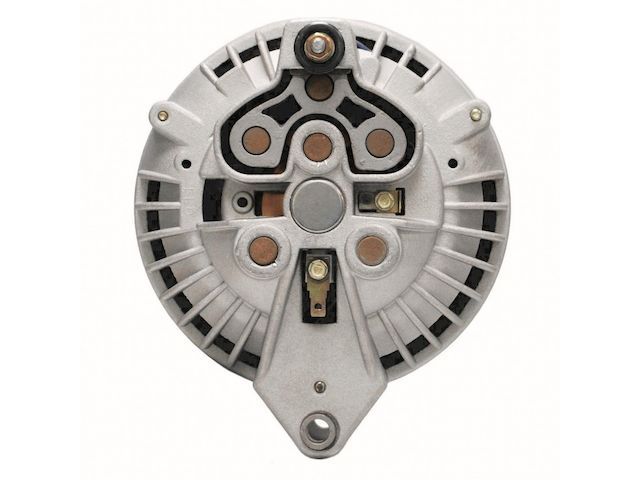
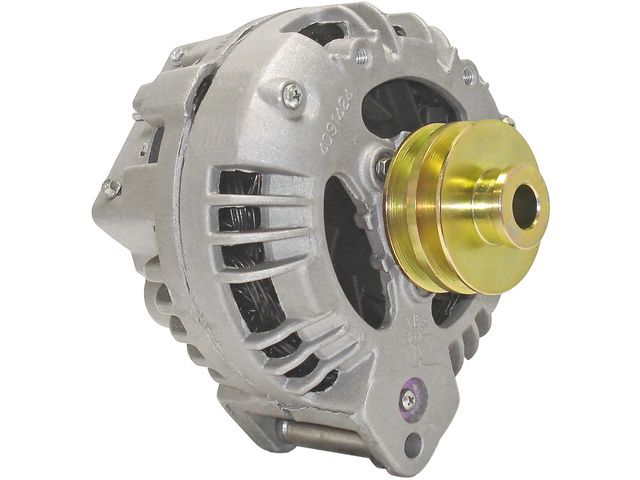
The original alternator for the 1960-1971 Imperial is a "round-back" style that uses an external voltage regulator. Factory output ratings were typically 37, 46, or 60 amps.
We Have This Part in Stock

The information in this article is provided for general reference and educational purposes only. Vehicle specifications, procedures, and part compatibility can vary by production date, trim level, and region. Always consult your vehicle's factory service manual and verify part numbers before purchasing or performing repairs. Safety-critical components such as airbags, seat belts, and braking systems should be installed by a qualified professional.