

Ford Ranchero 1960-1972: A Guide to Replacing Your Brake Drums
Keep your classic Ranchero stopping safely and reliably with the right new aftermarket brake drums.
- Confirm your Ranchero's specific lug pattern (4-lug or 5-lug) before ordering parts.
- Always replace brake drums and shoes in pairs on the same axle to ensure safe, even braking.
- New aftermarket drums from brands like Bendix, Raybestos, and Centric are the standard and reliable choice, as OEM parts are unavailable.
- Budget for replacing brake shoes and hardware at the same time for a complete brake job.
Is it Time for New Brake Drums?
Brake drums are tough, but they don't last forever. The metal wears down over time from the friction of the brake shoes. If you notice any of the symptoms below, it's time to inspect your brake system. For a vehicle of this age, finding original OEM (Original Equipment Manufacturer) parts is nearly impossible. Thankfully, today's aftermarket parts are made with modern materials and often meet or exceed the original factory specifications.
Symptoms of a Bad Brake Drum:
- Pulsating Brake Pedal: If you feel the brake pedal pulsing or vibrating when you press it, your drums might be "out-of-round," meaning they are no longer perfectly circular.
- Scraping or Grinding Noises: A loud scraping sound when you brake is a serious warning sign. It often means the brake shoes are completely worn and metal is grinding against the drum, causing damage.
- Longer Stopping Distances: If your Ranchero takes longer to stop than it used to, your brake drums could be worn too thin to work effectively.
- Parking Brake Issues: A loose or ineffective parking brake can also be a sign of worn-out rear drums or shoes.
Check Your Lug Pattern
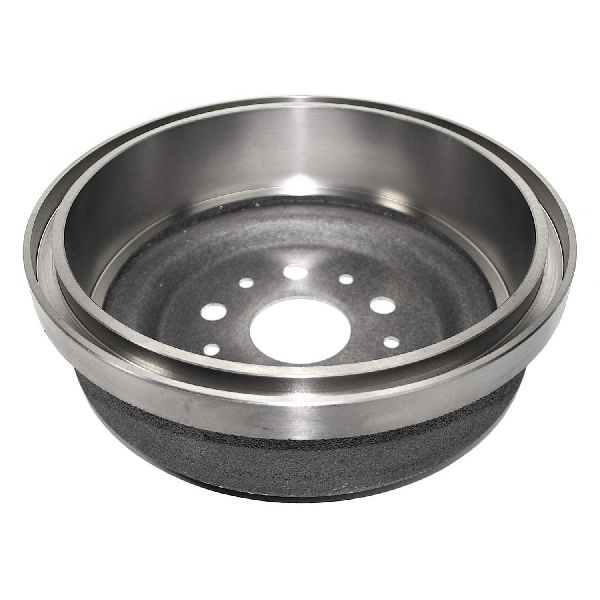
The 1960-1972 Ranchero came with different engine options and axle configurations, which means lug patterns can vary. Some early models, especially 6-cylinder versions, used a 4-lug wheel, while V8 models typically used a 5-lug pattern. Always verify your specific lug pattern (e.g., 5x4.5") before ordering new drums to ensure a proper fit.
Choosing the Right Aftermarket Brake Drum
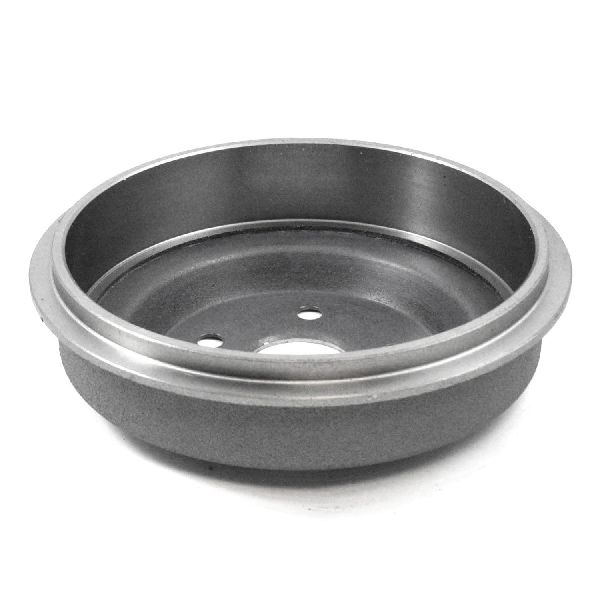
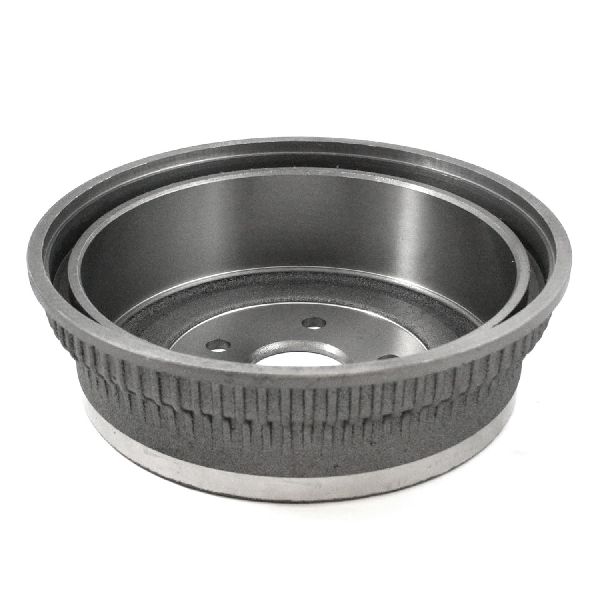
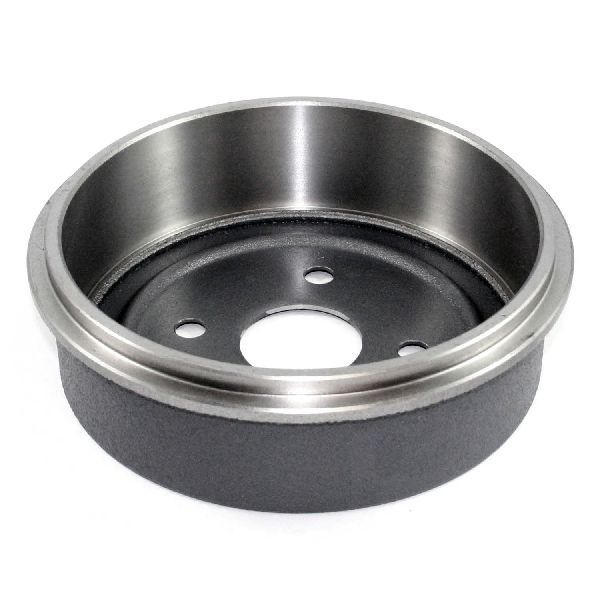
For a classic like the Ranchero, new aftermarket drums are the standard choice for replacement. Original Ford parts are long discontinued. The good news is that aftermarket brands offer quality parts made from strong cast iron that are designed to be a direct fit. Here’s a look at some available brands:
- Premium Brands (Bendix, Raybestos): These are well-respected names in the brake industry. They often feature coatings for corrosion protection and are mill-balanced to prevent vibration. For a vehicle you drive regularly, investing in a premium brand is a good choice for reliability and performance.
- Quality Mid-Range (Centric, Dynamic Friction): These brands offer a great balance of quality and price. They manufacture drums to meet or exceed OEM specifications and are a popular choice for classic car restorations. Many are balanced and feature protective coatings.
- Economy/Standard (Pronto): These drums provide a functional, budget-friendly option. While they may not have the extra features like anti-rust coatings, they are manufactured to fit and function correctly. They are a solid choice for a vehicle that sees limited use.
Always Replace in Pairs
You should always replace brake drums on the same axle at the same time. Replacing only one can cause uneven braking, pulling to one side, and unpredictable performance. Also, it's the perfect time to replace your brake shoes and hardware for a complete and reliable brake job.
Cost of Replacing 1960-1972 Ranchero Brake Drums
The total cost will depend on the brand you choose and whether you do the work yourself.
| Item | Estimated Cost |
|---|---|
| New Aftermarket Brake Drum (Single) | $64.94 - $107.82 |
| Shop Labor (Per Axle) | $150 - $300 |
| Total (DIY, Pair of Drums) | $130 - $216 |
| Total (Installed at a Shop, Pair of Drums) | $280 - $516 |
Frequently Asked Questions
Do I need to get my new drums "turned"?
No, new aftermarket drums are machined and balanced at the factory, ready for installation right out of the box. Turning is a process for used drums that have developed minor imperfections, but many classic car owners report that new drums sometimes arrive slightly out of round from shipping and can benefit from a light pass on a brake lathe.
Are there any recalls for Ranchero brake drums?
No, searches of the National Highway Traffic Safety Administration (NHTSA) database show no specific recalls for brake drums on the 1960-1972 Ford Ranchero. Any recalls found are for much newer Ford models and different brake components.
What is the difference between front and rear drums?
On many vehicles, including some Ranchero models, the front and rear drums can have different dimensions, such as width. It is critical to order the correct drum for the specific axle you are working on. Some aftermarket listings specify front or rear fitment.
My old drum seems stuck to the hub. Is this normal?
Yes, after decades of service, the drum can become fused to the hub with rust. On some early Fords, the hub and drum were riveted or held together by the wheel studs, making separation difficult. This may require significant effort with a mallet or even pressing out the wheel studs to separate them.
Technical Specifications
OEM Part Numbers: B7A-1126-B
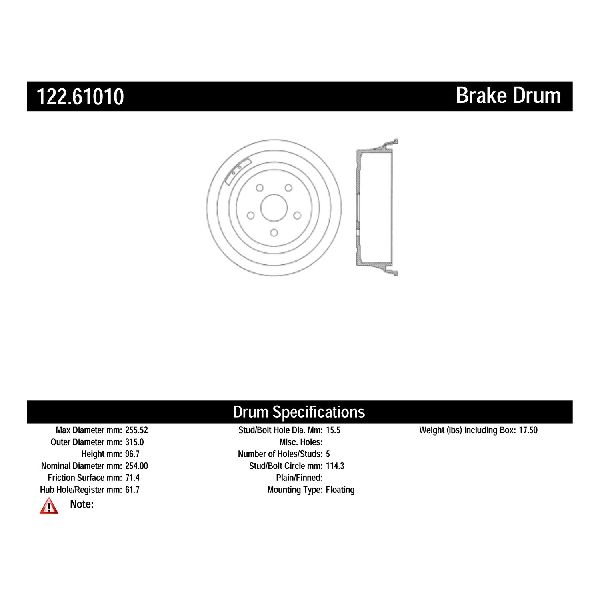
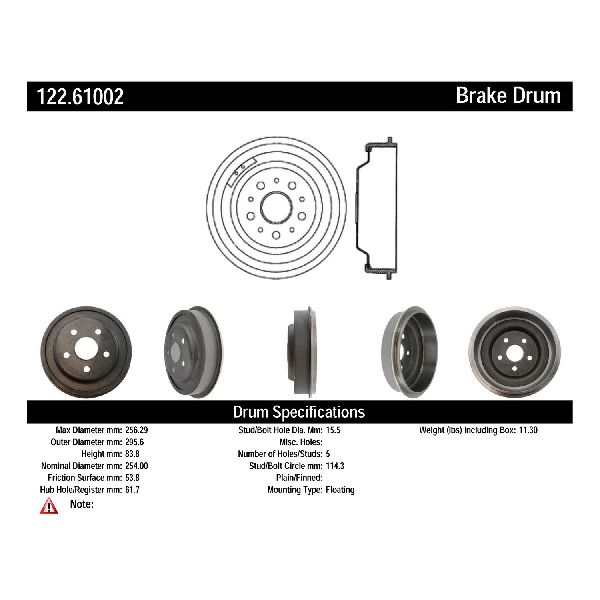
Varies by year and model. Common sizes include 9-inch and 10-inch diameters with 4-lug or 5-lug patterns. Shoe widths can also vary (e.g., 2", 2 1/4"). Verification of your vehicle's specific setup is required.
We Have This Part in Stock

The information in this article is provided for general reference and educational purposes only. Vehicle specifications, procedures, and part compatibility can vary by production date, trim level, and region. Always consult your vehicle's factory service manual and verify part numbers before purchasing or performing repairs. Safety-critical components such as airbags, seat belts, and braking systems should be installed by a qualified professional.